
- by Mike
- 0 Comments
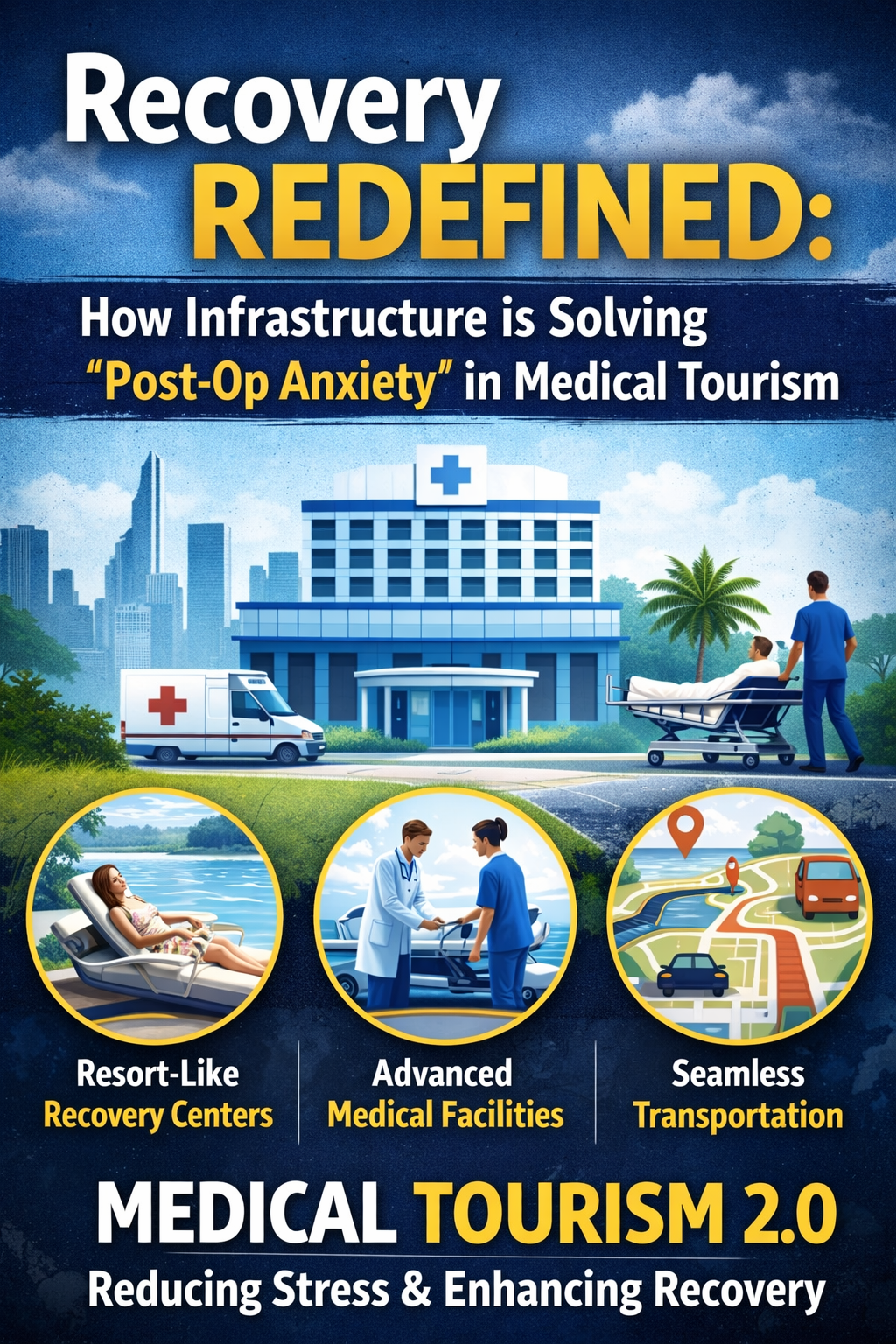
Medical tourism was once a straightforward, transactional model: fly in, get the procedure done, and fly out. But for many patients, the flight home wasn’t the end of the journey—it was the beginning of “post-op anxiety.” Stale stress of this kind arises from the jarring shift between an equitably high-tech surgical suite and a clinical recovery setting in a hotel room or home.
Today, the industry is shifting. By zeroing in on recovery infrastructure, providers and patients are closing the distance between the operating table and the couch. From modular storage systems to high-end equipment rentals, the “logistics of healing” are finally receiving the focus they deserve.
The Invisible Why: The drivers of post-op anxiety
Post-operative anxiety isn’t just “nerves.” It’s a physical and psychological reaction to perceiving an emotional need unmet while in a fragile state. When a patient comes back into an environment that seems more “normal” than “clinical,” they tend to:
- Unfitting Context: Attempting to rehab from hip surgery on a normal, low-profile domestic mattress
- Professional Messiness: Looking for sterile gauze or antiseptic in a cluttered suitcase or kitchen drawer.
- Isolation: The fear that they lack the skills to deal with a minor complication if it happens at 2:00 AM.
The incorporation of professional-grade infrastructure into the recover phase is a key factor in reducing cortisol levels to expedite healing.
The “Bin Method”: A Strategic System for Healing
The Bin Method is one of the most efficient ways to tackle post-op clutter—and the resulting anxiety. This means organizing every medical need into distinct, labelled, and purposeful “zones.”
Why the Bin Method Works
The Bin Method makes environments predictable instead of a hodgepodge mess of medical supplies.
- The “Vitals” Bin: Where your thermometer, blood pressure cuff, and pulse oximeter live.
- The “Wound Care” Bin: All dressings, saline, and tape are stored together for easy access during nurse home visitation.
- The “Comfort” Bin: Contains eye masks, earplugs, and specialized cushions to stave off hospital insomnia.
When your environment feels good and organized, the brain registers “safety,” the best antidote to post-op stress.
The Hospital at Home: The Recovery Revolution in Richmond Hill
Transitioning to a “recovery base” nearby is an important step for patients travelling to the Greater Toronto Area (GTA) for surgery. Patients increasingly choose short-term rentals in suburbs like Richmond Hill to escape the rattle of the city core. But simply being in a quiet place isn’t enough; you also need the right kind of furniture.
A Guide to Logistics: Richmond Hill Hospital Bed Rental Price
It is no surprise that the first few questions multinational and local medical tourists ask are about hospital bed rental costs in Richmond Hill. Since insurance coverage can differ enormously for so-called “temporary” medical arrangements, knowing the local landscape is important.
Usually, the costs are broken down by:
- Length of stay: Weekly vs. monthly prices (monthly is nearly always cheaper)
- Functionality: Full electric (head & foot and height adjustable) vs. semi-electric
- Delivery Speed: Same-day “emergency” setups for unexpected discharges typically come at a premium.
For the comfort-seeking ones who must minimize anxiety and want to look up luxurious medical bed rental prices that offer you high-end features such as Trendelenburg positioning, integrated massage, advanced pressure-redistribution mattresses, etc.
Infrastructure Components of a “Recovery Suite”
If you are creating a recovery space for yourself or another person, here are the nonnegotiable infrastructure pieces:
- Adjustable Bedding: Important for blood circulation and counteracting pulmonary problems.
- Overbed Tables: This type of furniture allows the patient to eat, use a laptop, or take medication without straining his or her surgical site.
- Modular Storage: Keeping the “clinical” side of the room separate from the “rest” side with this aforementioned bin method.
- Ambient Lighting: “Smart bulbs that will dim or change colour temperature further help users’ circadian rhythm, which is often disrupted post-surgery,” she says.
Part II: The Role of Technology in Infrastructure
This isn’t recovery in the literal sense; it’s recovery in the connective sense. Infrastructure now includes:
Remote Monitoring: Devices that transmit data directly to your surgeon’s office.
Voice-Activated Assistance: Allowing a patient with limited mobility to call for help, switch off lights, or change room temperature without moving.
Key Points of the Review: A New Standard of Care
The future of medical tourism is not only in the hands of the surgeon but also in the quality of the “landing pad.” Investing in the right infrastructure—from knowing the hospital bed rental cost in Richmond Hill to implementing the Bin Method—can help patients regain control over their recovery process.
We solve the right logistical puzzles of post-op care, and instead of leaving patients with “anxiety,” we give them back “agency.” You start the healing process when you feel at home in your space.