 11March 2026
Mobility Matters: Practical Steps to Support Your Parents’ Movement
- by Mike
- 0 Comments
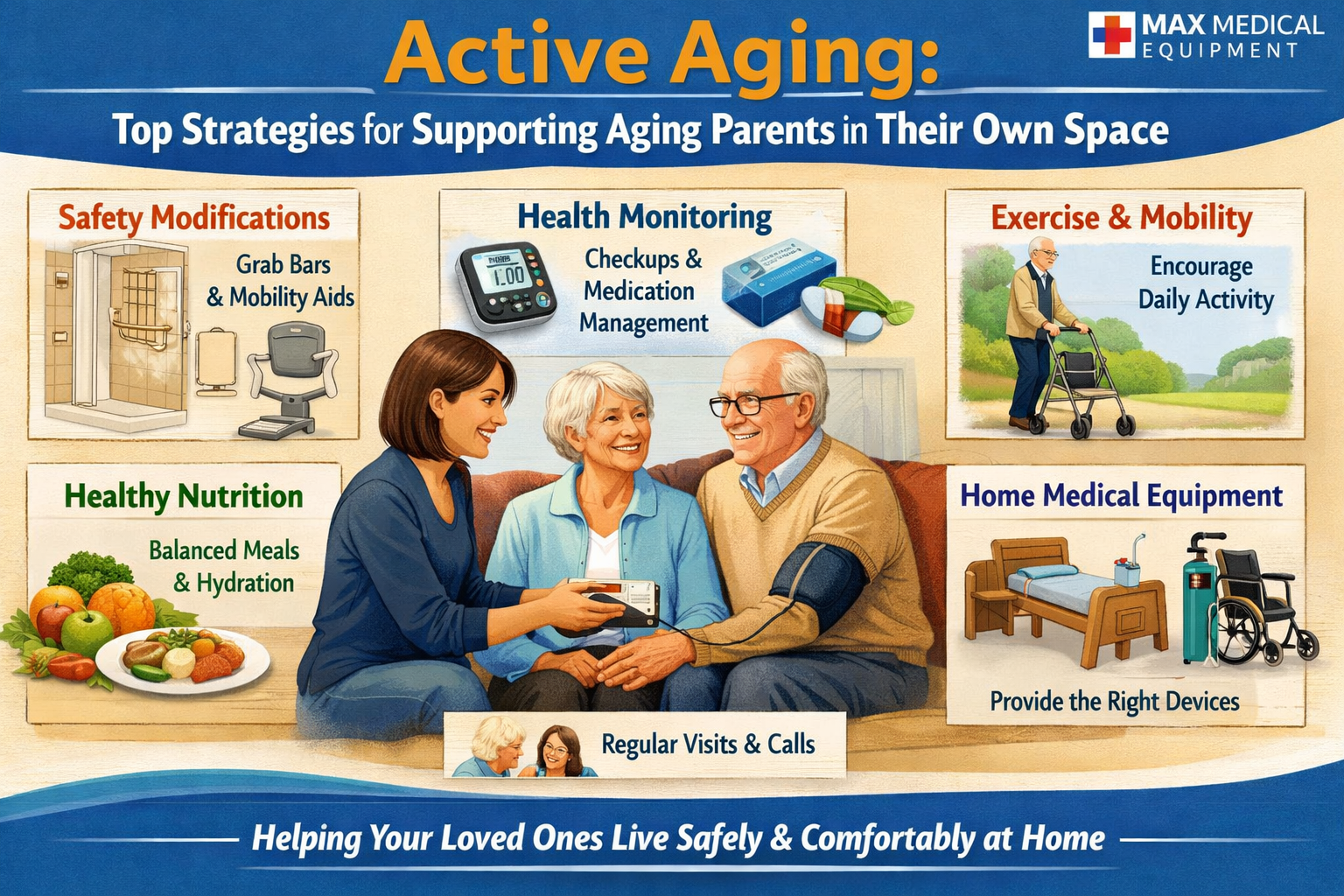
The meaning of “aging well” has been entirely redefined in 2026. It’s not about sitting back or slowing down; it’s about retaining the ability to move, explore, and feel in the world. For many adult children, the responsibility of keeping an aging parent mobile can seem overwhelming. The truth, though, is that the key to success is preemptive, gradual transformation rather than reactive crisis management.
If you focus on functional strength, safe conditions at home, and customized support tools, you can help keep your parents with good gait and balance and confident during challenging situations. This guide lays out the best—and most extensively researched—steps you can take to both move your parents and also keep their home a launching point for an active lifestyle, rather than a cage.
Functional Strength: The Foundation of Movement
Mobility is a resource that must be utilized to prevent its loss. Today’s healthcare authorities point to functional movement—exercises that replicate daily activity, such as squats and lunges — as your most effective means of fall prevention in 2026. And when muscles are trained to deal with everyday duties, such as standing up from a chair or stepping over a curb, the risk of injury drops dramatically.
Best 2026 Mobility Exercises for Seniors
Motivate your parents to include these low-impact movements into their daily routine to help create a “stability safety net”:
- Sit-to-Stands: This is the gold standard for leg and core strength. Just standing up from a firm chair without using the armrests builds the strength necessary for activities of daily living.
- Heel and Toe Rises: A solid balance requires strength around your calves and ankles. These can be done while holding on to a kitchen counter for safety.
- Brisk “Social” Walking: We set a goal of 6,000 to 8,000 steps per day, preferably with a partner—lubricating the joints and keeping cardiovascular health at its best.
- Tai Chi or Chair Yoga: These practices help with proprioception (the body’s sense of where it is in space), which is the first line of defence when it comes to trips.
Adjusting Environmental Conditions for Smooth Action
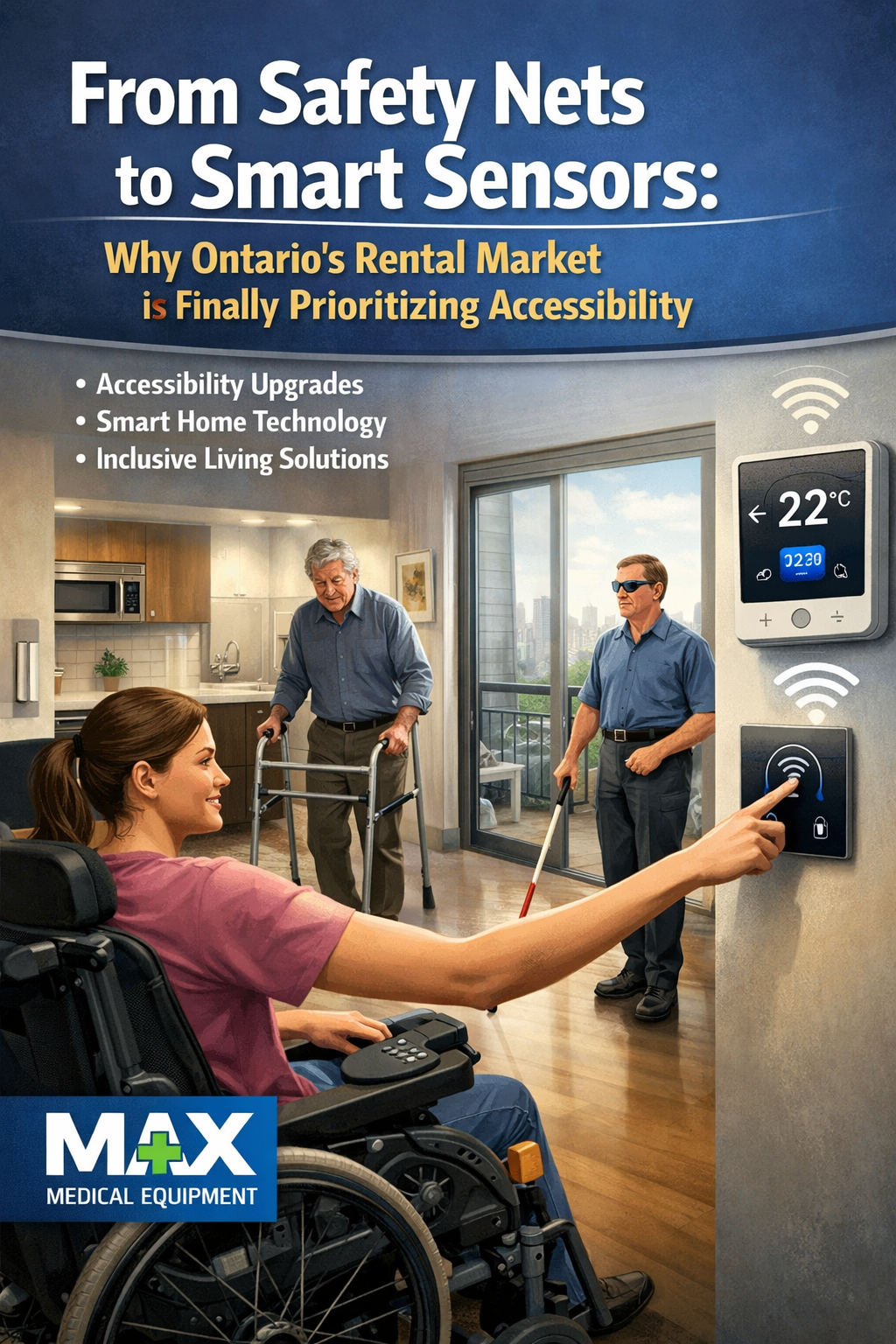
As they say, the floor makes the man. Even the fittest older adult can be tripped up by an ill-lit corridor or a loose rug. By 2026, homes will have never been more accommodating to movement with advancements in “aging in place” technology, including features such as wider doorways, non-slip flooring, and smart home systems that assist with navigation.
Simple Home “Flow” Upgrades
- Lighting the Path: Run motion-activated LED strips around the baseboards from the bedroom to the bathroom. That avoids those “where’s the switch” night stumbles.
- Clearing the Deck: Get rid of all throw rugs, including “non-slip” ones. In a mobility-centric dwelling, clear, unobstructed pathways are key.
- Using Technology: Implement voice-activated devices to control lights and thermostats, eliminating the necessity of parents traversing a dark room to turn a dial.
- Strategic Seating: Wherever possible along longer hallways or in the kitchen, make sure there are “rest stops”—sturdy chairs with armrests — that people can stop at for a quick break during activity.
What Does a Specialized Hospital Bed Rental Provider Do?
Many people wrongly believe that medical equipment is just for bedridden patients. In truth, the proper gear is a mobility enhancer. For many seniors, the hardest move of the day involves going from horizontal to vertical. This is the point at which an expert in medical bed enrollmentformative effect.
Hi-lo functionality is one of the features of a modern medical bed, which enables the user to lower the bed and rest their feet flat on the ground while remaining seated. This greatly reduces pressure on arthritic knees and hips in the stand-up phase. People who want the best in comfort and aesthetics to stay well at home can still choose a luxury medical bed rental that offers all the clinical support of a rehab centre with furniture-grade finishes that integrate seamlessly into any residential bedroom. By offering a solid, flexible base for sleep and transitions, you are enabling your parents to navigate the rest of their day with assurance.
Navigating Transitions and Transportation
Mobility should extend beyond the front door. Supporting your parents’ mobility also entails making sure that they have the resources to remain integrated in their community, such as access to transportation services, social activities, and community resources that promote engagement and independence. In 2026, the proliferation of specialized senior transportation services and on-demand autonomous vehicle options has rendered “losing the keys” less of a social death sentence.
Staying Mobile in the Community
- Adaptive Footwear: Make sure your parents have properly fitting, non-skid shoes with wide soles. It’s better to invest in a really good pair of walking shoes than any other mobility device.
- LearnSmart Mobility Aids: Canes and walkers have built-in GPS and fall-detection sensors. If your parent is wary about a walker, position it as a “freedom tool” that lets them walk longer and safer.
- Transportation planning: Assist them with setting up accounts on ride-sharing apps specifically geared toward seniors that provide door-through-door service instead of just curb-to-curb.
Conclusion: A Partnership in Independence
Assisting your parents in getting around is not a matter of stepping into their lives — it’s about providing the scaffolding that enables them to continue being the architects of their own days. So we encourage functional strength, tailor the home environment there, and partner with a top-tier hospital bed rental provider for any ideal support equipment because caring is an act of long-lasting dignity.
In 2026, we’re equipped with the tools and understanding to transform “aging in place” into a lively, active experience. “Do a simple home walk-through this weekend and see if you can pinpoint one small change that will help your parents move with a little more confidence.