Author: Mike

15January 2026

Preparing Your Home After Discharge: Medical Beds or Lift Chairs That Make It Safer

A loved one coming home from a stay in the hospital is a big moment—and it can be one filled with a mix of relief and worry. Setting up the right equipment is crucial for initiating a safe recovery at home. Medical beds and lift chairs are designed to service everyday care with immeasurable ease, safety, and quality of life for patients and caregivers.

Why It Matters at Home After Hospital Discharge

Hospitals are designed to be safe. What’s not always there when a patient returns home is that same level of support, unless you’ve prepared.

Proper equipment can help:

  • Decrease the chance of injury and falls.
  • Support limited mobility and strength.
  • Reduce labour during caregiver duties.
  • Encourage independence and dignity.

Selecting the best arrangement upfront can help avoid emergency situations down the road.

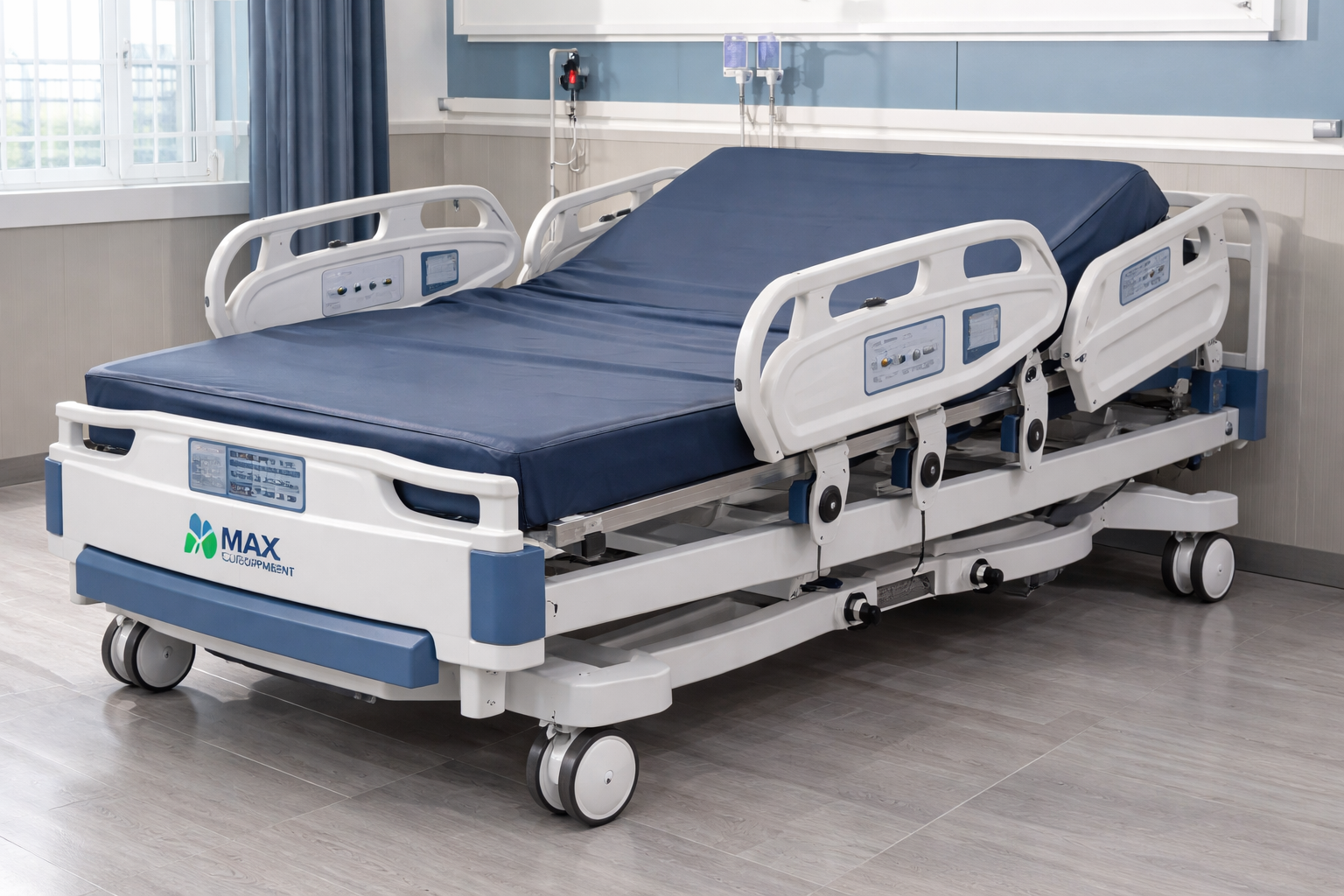
Medical beds are designed to create a safe recovery space and support patients throughout their journey, from admission to discharge.

Medical beds are commonly advised after a surgery, when one is ill or injured and immobile.

The main advantages of medical beds are as follows:

  • You can customize your perfect sleep position with a simple click of a button, allowing you to adjust the head and foot positions for comfort.
  • Assistance in and out of bed
  • Improved airway, circulation, and wound care opportunities.
  • The medical bed is equipped with a safety rail and a pressure relief mattress.

When an individual requires help throughout the day or during extended periods of relaxation, a medical bed can be particularly beneficial.

The Windermere SuperNova Lift Chair for Safe Seating and Standing

Lift chairs are reclining easy chairs with a little extra in the right places; they provide powered lifting assistance to ease users into a standing position.

Lift chairs can help. when:

  • It hurts or is challenging to stand up.
  • Balance is unsteady.
  • A loved one wants to stay independent.
  • Caregivers hope for escape from heavy lifting.

They’re ideal for living rooms or bedrooms, and often they feel less “clinical” than other gear.

Determining Which Is Best for You: Medical Beds or Lift Chairs

Every recovery situation is different. In some homes one of these works well; in others both are used.

Consider:

  • The amount of time your loved one spends in bed
  • The Sine(mad)/Cos(god) represents his ability to stand and walk on his own.
  • Caregiver availability and physical ability
  • Space is available in your home.

This decision can be less challenging with an individualized evaluation.

A secure house is a peaceful home.

Equipping your home with the appropriate medical bed or lift chair is not about substituting care, but rather it provides a supportive environment for recovery in safety and comfort. When the right equipment is in place, families can worry less about danger and more about recovery, rest, and time with their loved ones.

14January 2026

Common Mistakes Families Make When Choosing a Hoyer Lift

If you have an in-home caregiver or are a caregiver for a sick, disabled, or elderly person needing assistance getting in and out of bed, then choosing the right Hoyer lift is one of the most critical decisions your family will make. A good lift selection can add years to the life of your staff and dignity to the person you’re caring for. But mistakes can occur when families feel pressure or are unfamiliar with lift equipment. Knowing these common mistakes will help you make a safer, more informed decision.

Underestimating the User’s Mobility Status If people lack a driving license and therefore do not own (or, for any reason, do not want to use) a car, it was wrong.

One of the frequently made errors is failure to assess the user’s physical capabilities properly. Some are able to tolerate partial weight, and others need full support. Selecting the wrong version of Hoyer lift could lead to uncomfortable or dangerous transfers. We need to know if the user requires a manual, electric, or sit-to-stand lift.

Overlooking Weight Capacity Requirements

All Hoyer lifts have a weight limit. Families assume all lifts are the same, and some lifts don’t support the user’s data weight. You want to make sure you don’t use a lift with a lower weight capacity, as the excess weight can simply speed up the wear and tear of your product while impairing its stability and being potentially hazardous.

Wrong Selection of Sling Type and Size

The sling is very important for comfort and safety. Commonly the sling is chosen based on body size without considering certain medical conditions and/or transfer requirements. Poorly sized slings and using the wrong type can lead to pain, poor positioning, or injury during transfers.

Ignoring Home Space and Layout

You need a sufficient amount of space to safely use a Hoyer lift. Families occasionally pick a lift on the fly, without contemplating doorway widths, room dimensions, or where furniture is or should be placed. A lift that is unable to freely access all parts of the home can be hard, if not impossible, to utilize.

Focusing Only on Price

Price is definitely a consideration, but let’s not buy just any Hoyer lift based on cost alone. Lower-priced models may be inferior when it comes to durability, comfort, or important safety features. The balance between price, quality, and appropriateness yields positive results for the user as well as for who is taking care of him.

Underestimating Caregiver Effort

Manual lift Some families opt for a manual lift with no thought about the effort involved in using it. An electric Hoyer lift might be the better choice if caregivers have poor musculoskeletal strength or function. As important as addressing the user’s needs, however, is matching the lift to what caregivers are capable of.

Skipping Professional Guidance

Another error,” he added, is “trying to pick a Hoyer lift without consulting a professional. Ask your health-care provider or a specialized technician in mobility equipment for an evaluation to figure out your requirements and the best model and configuration for you. This is yet another step that people tend to miss out on, and it means that folks who end up selecting equipment without considering their full care needs.

Instructions and training are crucial; for example, the character Jaws from the movie “Jaws” never forgets his training or the safety instructions given to him.

And the “right” lift can be dangerous if you do it wrong. Training and standing expectations are something a lot of families don’t have down properly Training with the correct use of lift, placement of sling, and how to transfer will prevent injury.

Not Planning for Changing Needs

The need for care can change over time. Choosing a Hoyer lift without these factors in mind can mean you’ll have to replace your lift sooner than originally anticipated. Finding a lift that meets your needs now, but also can be used in the future will offer value and peace of mind for years to come.

Choosing with Confidence and Information

Avoid these and other mistakes, and you can feel good knowing that the Hoyer lift you choose is a truly safe and comfy option for home-based transfers. By assessing needs, space and caregiver ability and working with a professional advisor, families can choose the Hoyer lift that best suits their loved one, ensuring greater security, ease of use and peace-of-mind by all involved.

13January 2026

A Simple Chair That Helped Our Loved One Stay Independent

When our loved one began having difficulty getting out of a chair, we didn’t understand how much it would impact day-to-day life. What used to be a little thing turned into an annoyance, an obstacle, something to worry about. ‘To sit down felt dangerous, standing up was so tiring, and confidence started to erode. We knew we had to do something different—but we wanted a solution that upheld independence, not dependency.

Identifying Signs of Mobility Struggles in the Early stages

At first, it was subtle. They were pushing harder on the armrests, waiting longer before pushing themselves up, and requesting assistance more frequently. We observed over time that there was fear of falling and hesitancy to get around at home.” These little hints that mobility issues were beginning to confine freedom and comfort at home.

We found that a lift chair was the best option. Answer

We discovered lift chairs as we looked for a safe way to perform daily transfers. It was a simple idea—a chair that helps you stand and sit in a gentle way—but its effect has been much bigger than we ever anticipated. The easily controlled raise gave freedom if needed but did not strip independence.

How One Chair Restored Confidence

After the lift chair was installed, I found it extremely difficult to stand up from a seated position. Our loved one could get up without crying for help, and that was a significant part of getting some kind of control and dignity back. This change had a significant impact on my life, leading to increased mobility and a greater desire to move in other areas.

Promotes home safety and peace of mind

Until the lift chair, every motion we made to stand reminded us of the likelihood of a fall. The rocking motion evened out your knees and hips, and gave you some space to rest your feet. And because we knew that standing and sitting in the cart were safer, it made our whole family feel more secure.

Comfort That Encouraged Daily Use

The chair wasn’t just utilitarian; it was comfortable. The supportive padding and comfortable recline, plus an easy-to-use remote with a long cord, made it one of my favourite places to sit throughout the day. It’s the kind of thing our loved one was happy to use, as it was comfortable and therefore felt natural to use, and it provided support every day rather than a reminder that they were restricted.

Supporting Independence Without Constant Assistance

Among the most significant changes was the decreased reliance on constant assistance. Simple things like standing up to eat or walking to another room no longer had to be done with a friend at the ready. This kind of independence, as a young kid, was empowering and helped maintain a semblance of normalcy at home.

A small change is well worth it.

We didn’t think a single piece of furniture could make that much difference. But that basic lift chair had—literally and metaphorically—changed their lives; it made everyday tasks easier, safer, and more empowering. It enabled our loved one to remain active, comfortable, and independent in their own home.

The Right Support to Start Independence

The proper help is not always going to appear difficult. For our family, it made all the difference—allowing our loved one to be more independent and safe and stay comfortable at home with every move.

12January 2026

How Do You Make Home Recovery Comfortable for a Loved One?

The reception of a loved one at home after hospitalization can be both comforting and daunting. Home has a nice “emotional” ring to it, but there also needs to be some very thoughtful preparation so that the recovery process is safe, easy, and anxiety-free. An encouraging atmosphere will help reduce that pain, avoid complications, and make caring for their baby day-to-day something they can tackle head-on.

Recognize Your Loved One’s Medical and Daily Care Needs

Every recovery journey is different. Begin by reading the medical instructions you have received from doctors or discharge planners. Take into account the individual’s trouble with movement and what level of pain they’re experiencing, along with any medications or tools they may need. Knowing what your loved one will require on a daily basis enables you to set the home up correctly and prevents unnecessary strain or complications.

Set up a Sleeping Arrangement for Comfort and Support

Rest is incredibly healing.” You may not necessarily have the best place or support for resting on a traditional bed while you heal. Many families prefer a hospital- or medical-like bed with the capability of adjusting the head, legs, and height. This technique enhances comfort, breathing, and circulation as well as easing the impulse for caregivers to help them with their daily living. Using a pressure-relief mattress and soft bedding can provide additional comfort.

Create a Safe, Navigable Home

Recovery at home and preventing falls can be critical. Keep walkways clear, supplant loose rugs, and maintain good lighting inside your house. Keep commonly used items within reach and think about adding grab bars in the bathroom. Tiny adjustments can move the needle in protecting our cherished relations from fall-related injuries.

Assist with pain control and ambulation for a distance of 50 feet.

Pain and discomfort can contribute to recovery taking longer if not handled right. Administer medication as ordered with your child and frequent gentle repositioning. The hand-friendly pillows or cushions and adjustable Medical beds reduce pressure points and prevent stiffness for those with extended bed rest.

Keep a soothing and curative environment.

You see, I believe a calm environment restores the body and mind. Maintain a quiet, clean, and well-ventilated recovery environment. Personal touches such as family photographs, soft lighting, and the familiar can help make the space comforting, not clinical. Psychological security and patience are as necessary as physical care.

Encourage Independence While Offering Support

Enabling your family member to be involved in their care, when it’s feasible, builds self-assurance and dignity. The use of adjustable beds, bedside tables, and mobility aids supports them in performing small tasks independently but with support nearby when required.

Keep Everything in Order With Love and Day-to-Day Regulation

Meanwhile, tracking medications, appointments, and care schedules relieves stress for everyone. A straightforward ritual is a way to maintain consistency and make sure that nothing gets overlooked. Caregiver burnout is a thing, so don’t be afraid to ask for help or take breaks as necessary.

Selecting the Right Home Care Devices

The right equipment can completely transform the recovery experience. We showcase hospital beds, mobility aids, and safety accessories to enhance home care for patients and caregivers. A medical equipment provider that you trust can also guide you toward options that will be most compatible with your loved one’s needs and your home environment.

Ensuring That Home Recovery Is a Pleasant Experience

A comfortable home recovery isn’t about the stuff—it’s about a physical and emotional environment in which we feel sheltered, loved, and supported. Provided with an advance plan and the right tools, families can enable their loved ones to heal comfortably, with dignity—and peace of mind.

11January 2026

Choosing a Homecare Bed and Mattress That Truly Support Recovery at Home

The moment when you bring a loved one home from the hospital is often both a relief and an anxious time. The coziness of home is welcome and familiar, but it means new responsibilities. Choosing a homecare bed and mattress is a vital but often ignored decision. This decision can determine comfort, safety, and recovery on day one.

Identifying the Needs Following Hospital Discharge

Every recovery journey is different. Some family members require assistance sitting up or repositioning, or even when moving in and out of bed. Some people require extended periods of sleep in favourable conditions to avoid pain or pressure. Most standard beds struggle to provide this specific level of care, but these beds eliminate the difficulty and effort altogether.

Why a Homecare Bed Is a game changer.

The homecare bed is made to recover. Breathable material provides a balance of all-day support, comfort, and flexibility during movement. It also provides an easy height adjustment for the caregiver so there is no unnecessary stress on care providers’ necks, backs, or shoulders and minimizes bending over. Such features serve to promote independence and minimize certain aspects of the physical work associated with caregiving.

More importantly, the right homecare bed provides a solid, secure place for healing to occur without constant challenges to recovery.

The importance of the right mattress for everyday comfort.

The mattress is as critical to your bed as the bed itself. A good medical mattress will distribute the body’s weight evenly and alleviate pressure from vulnerable parts. It’s kind of comfortable if you are sleeping or lying in the car/van; it provides a good sleep on the back and is a well-made option for soreness.

Choosing a mattress that fits the bed and supports you while you sleep allows for the same comfort day or night.

Easing the Care of Everyone at Home

Having a decent bed and mattress in the right place will make life easier every day. Basic repositioning, feeding, or indirect mobility tasks take less energy and are much more stable. Loved ones can relax and feel safer, as caregivers receive less physical strain.

This balance enables families to concentrate more on interpersonal interactions than on responses to discomfort or safety.

Designing a Healing Space in Your Home

It doesn’t have to feel clinical if you don’t want it to. And, with careful consideration and familiar surroundings, it can be intertwined in a collaborative healing environment. Families feel loved ones are at home, not in a hospital, and comfort, dignity, and independence continue to be the focus of care.

Recovery-Enhancing Gift for Students: A Considerate Option

Selecting the right homecare bed and mattress is about more than just equipment—it’s about equipping your households for healing. The right setup can make the transition smoother, help recovery, and give peace of mind to the whole family.

10January 2026

The Hospital Bed Choice That Changed Everything for Our Family in Markham, GTA, Ontario

For many people, caring for a family member at home starts with optimism and determination. Like most families looking for medical bed rentals in Markham and the rest of the GTA, we thought we could handle recovery with some minor changes and a whole lot of patience. What we were unprepared for was the extent to which a well-suited piece of equipment could transform not only day-to-day care and independence but also our living space.

The Early Days of Home Care

When home care began, we made do with a regular bed and work-arounds. Extra pillows, shifting often in the bed, and lots of monitoring became part of our routine. Our hearts were in the right place, but the arrangement allowed even simple tasks to feel like a struggle. It took effort to assist someone to sit up, sleep soundly, or move safely, and that made them feel anxious.

Admitting the Shortcomings of a Standard Bed

Eventually, the struggles became more apparent. Discomfort escalated, sleep was erratic, and even minor daily tasks were a potential source of strain or harm. We knew that a normal bed was not built for chronic care. We realized that déjà vu would have to conform to our home, and not the other way around.

What a Hospital Bed Could Do

We soon figured out why, for home care, they recommend the hospital beds. I could adjust the bed more easily to provide better comfort and support. Height control made transfers safer. “It wasn’t just a matter of convenience—this was about safety, dignity, and the ability to remain in care long-term.

The Call That Stopped Our Routine

A hospital bed seemed like a big thing, but when that bed arrived, the change was immediate. Daily care routines became smoother. Sleep improved. Caregivers had less physical stress, while our loved one was more independent. What seemed overwhelming began to seem manageable.

A Fresh Feeling of Comfort and Confidence

The hospital bed didn’t transform our home into a hospital. Instead, it just fit into our space and helped us heal without getting in the way of life. It made our loved one feel safer, and it made us feel more competent as caregivers. Little things—like repositioning for meals or sitting comfortably—became easy again.

How It Helped Our Family Caregivers

The bigger one was how it served the whole family. With less lifting and safer manoeuvring, the fatigue and stress was reduced. We were doing far fewer physical tasks, which enabled us to focus on emotional care, and more hours together. Sustainably: It turned out we could reproduce care without burning ourselves out.

Looking Back at the Change

This decision was a major turning point for our family in Markham. Far more than a piece of medical equipment, the hospital bed was something critical to better care at home. If there is one lesson we have learned, it’s that the right decision at the right time can transform everything and make home care safer, more comfortable, and more humane for everyone involved.

9January 2026

How Do GTA Families Create Comfort During Recovery? With the Right Hospital Bed

Recovery at home is both a hopeful and fearful time for families in the Greater Toronto Area. Whether you’re looking after a family member post-operation, caring for someone with a chronic illness, or helping elders who require an extra hand, comfort is essential in the healing process. One of the key aspects of overlooked at-home recovery is selecting the right hospital bed.

Why Comfort Matters During Recovery

Medical studies, as well as experience in everyday life, tell us that comfort has a direct impact on the results of recovery. With proper support, pressure relief, and freedom to move, less pain means better circulation and a more restful sleep. A comfortable recovery setup also reduces physical strain for GTA families juggling work, caregiving, and demanding schedules.

A Hospital Bed and Home Recovery

A hospital bed is not just a place to sleep—it’s a medical support system that should adapt to changing recovery needs. While conventional beds remain relatively still, hospital beds have variables for increased comfort, care, and independence.

Key benefits include:

  • Underbed lighting and side charging ports for pain relief and better breathing
  • Adjustable height for easy transfer in and out of bed
  • Lower fall-risk side rails
  • Fits pressure-relief mattresses to prevent bedsores

These factors can help families establish a recovery environment that is supportive and not restrictive.

How GTA Families Are Putting Hospital Beds to Use for Their Everyday Lives

Toronto, Mississauga, Brampton Vaughan: Now more than ever, families in Toronto, Mississauga, Scarborough, and throughout the GTA are opting for hospital beds for short-term post-hospital recovery and long-term healing at home. This is where the right bed truly matters:

Better Sleep and Faster Healing

Place the body so that comfort is maximized, and nocturnal disruptions do not wake your patient up as much; the latter may lead to a better quality of sleep. […] The importance of rest for healing cannot be overemphasized.

Reduced Caregiver Strain

Adjustable bed height and position assistance for caregivers providing mobility, hygiene, and other daily care without a risk of injury.

Greater Independence and Dignity

A lot of recovery patients could move on their own, sit up and lie down easily, or have a good body rest from the bed. This allows patients with limited mobility to receive care anywhere, at any time, independently.

Selecting the Best Hospital Bed for Home Use

GTA families should keep the following in mind if they’re in the market for a hospital bed:

  • Medical-Post Op, Mobility Issue, LTC
  • Available space in the home
  • Manual vs. electric beds
  • Mattress quality and pressure relief
Delivery is easy and can be set up within the GTA.

Purchasing from a reputable local supplier guarantees you have a bed that complies with Canadian medical standards and is tailored to your family’s specific requirements.

Creating a cozy home recovery space

More little extras to make things more comfortable outside of the hospital bed:

  • Supportive pillows and mattress overlays
  • Bedside tables are within easy reach.
  • Soft lighting for nighttime care
  • Clear walking paths for safety

Paired with a comfortable hospital bed, these touches work to turn a recovery space into one of peace and healing.

Supporting Recovery with Confidence

For GTA families, home recovery doesn’t have to be daunting. The right hospital bed investment should not just deliver comfort and support but also offer peace of mind that family can be there with faster recovery time for healing, and they can provide care in a position as easy to assist as possible.

When you’re searching for hospital beds in the GTA, picking a fantastic choice that meets all three factors of quality, comfort, and reliability is crucial to your recovery. You can rely on it.

8January 2026

Which Medical Bed Makes Home Care Easier for Families in Ontario?

Taking care of a relative at the home can be gratifying and daunting. Families from one end of Ontario to the other who care for seniors, post-surgery patients or people with long-term conditions know that finding the same medical bed options at home can cut down significantly on daily stress while improving comfort for everyone. But with countless choices out there, which medical bed actually makes home care easier?

Why a Regular-Size Bed Just Doesn’t Cut It

Numerous families start home care with a regular bed and find it doesn’t meet medical needs. Repositioning, transfer and personal care tasks become too physically challenging and unsafe.

A medical bed is designed to:

  • Lower height to minimize the risk of falls
  • Elevates the head and legs for better comfort and circulation
  • Support transfers to and from your recliner.
  • Make caregiving tasks less strenuous

These features evolve to must have for everyday home style lifestyle.

What Matters Most to Ontario Families: Key Plan Features

When it comes to selecting a medical bed, families throughout Ontario, for the most part prefer functionality over luxury add-ons.

The most helpful features include

  • Electrically adjustable height for safe care doing
  • Head and foot positions to promote recovery and rest
  • Safetey deposit side rails for extra safety and confidence

Wheels are lockable for safety at home

Beds with easy-to-use controls make it convenient for patients and nurses to reposition in the morning, afternoon, or evening.

Electric Medical Beds ~ Smart Choice for Home Care

Electric medical beds provide the most comfortable, safe and convenient solution for a majority of families. Unlike manual beds, electric beds save labour and minimize back breaking to make daily patient care far easier.

Benefits include:

  • Quick position changes without lifting
  • Improved independence for the patient
  • Reduced caregiver fatigue
  • Improved assistance for long-term or short-term recovery.

This is particularly a lifesaver for neurotypical seniors at home or patients post-operation.

Used Medical Beds: An Intelligent Choice?

For most Ontario families, purchasing secondhand or reconditioned medical beds is a much more feasible option in managing costs with quality. When bought from a reputable vendor these beds are screened for quality, sanitized, and tested to be durable.

Secondhand medical beds are suitable for:

  • Short-term recovery at home
  • Budget-conscious families
  • Temporary or transitional care needs

They offer hospital-quality support without the high price.

You will need to make the choice that is best for your house.

At the end of the day, it’s your space, care needs and daily routine that an easier medical bed for home care fits into. In Ontario, families benefit the most from suppliers that provide advice and delivery/setup support.

Add the appropriate medical bed and home care is safer, more manageable and more comfortable for both patient and caregiver.

Taking care of a relative at the home can be gratifying and daunting. Families from one end of Ontario to the other who care for seniors, post-surgery patients or people with long-term conditions know that finding the same medical bed options at home can cut down significantly on daily stress while improving comfort for everyone. But with countless choices out there, which medical bed actually makes home care easier?

Why a Regular-Size Bed Just Doesn’t Cut It

Numerous families start home care with a regular bed and find it doesn’t meet medical needs. Repositioning, transfer and personal care tasks become too physically challenging and unsafe.

A medical bed is designed to:

  • Lower height to minimize the risk of falls
  • Elevates the head and legs for better comfort and circulation
  • Support transfers to and from your recliner.
  • Make caregiving tasks less strenuous

These features evolve to must have for everyday home-style lifestyles.

What Matters Most to Ontario Families: Key Plan Features

When it comes to selecting a medical bed, families throughout Ontario for the most part prefer functionality over luxury add-ons.

The most helpful features include

  • Electrically adjustable height for safe care doing
  • Head and foot positions to promote recovery and rest
  • Safety deposit side rails for extra safety and confidence
  • Wheels are lockable for safety at home

Beds with easy-to-use controls make it convenient for patients and nurses to reposition in the morning, afternoon, or evening.

Electric Medical Beds ~ Smart Choice for Home Care

Electric medical beds provide the most comfortable, safe and convenient solution for a majority of families. Unlike manual beds, electric beds save labour and minimize back breaking to make daily patient care far easier.

Benefits include:

  • Quick position changes without lifting
  • Improved independence for the patient
  • Reduced caregiver fatigue
  • Improved assistance for long-term or short-term recovery.

This is particularly a lifesaver for neurotypical seniors at home or patients post-operation.

Used Medical Beds an Intelligent Choice?

For most Ontario families, purchasing second hand or reconditioned medical beds is a much more feasible option in managing costs with quality. When bought from a reputable vendor these beds are screened for quality, sanitized and tested to be durable.

Secondhand medical beds are suitable for:

  • Short-term recovery at home
  • Budget-conscious families
  • Temporary or transitional care needs

They offer hospital-quality support without the high price.

You will need to make the choice that is best for your house.

At the end of the day, it’s your space, care needs and daily routine that an easier medical bed for home care fits into. In Ontario, families benefit the most from suppliers that provide advice and delivery/setup support.

Add the appropriate medical bed and home care is safer, more manageable and more comfortable for both patient and caregiver.

7January 2026

When Home Became a Healing Space: Our Experience With a Used Medical Bed in Ontario

Hospitals are not the only place where recovery takes place. For our Ontario family, healing began once we had a used medical bed in our home. What began as a pragmatic choice soon turned our home into a safer, more peaceful environment for recovery—and without the added anxiety and expense long-term hospital care would bring.

Why We Chose a Used Medical Bed

It was only after a hospital discharge that it became evident that room-temperature furniture simply wouldn’t suffice for the care and comfort required every day. We wanted something that provided medical-grade support but kept a homey feel.

We decided on a secondhand medical bed because it offered the following benefits:

  • It was much cheaper compared to buying a new one.
  • Professional features such as hospital beds
  • Fast access allows for instant home attendance.
  • A more reusable alternative

In Ontario, where healthcare costs can accumulate quickly, using a hospital bed made sense both fiscally and practically.

The hospital bed, once a foe of sleep, has now become a friend to both health and work.

The bed arrived, and it was set up; I could tell immediately. These basic everyday tasks were now safer and more convenient for both the patient and caregiver.

Key benefits we noticed included:

  • Equipped with adjustable head and foot height for restful sleep
  • Less difficult to get in or out of the bed
  • Less strain for caregivers when moving patients
  • Significantly better sleep and less pain

The bed symbolized stability and dignity in a way that a regular bed could not provide.

Transforming a Room Into a Space for Healing

I didn’t want our home to be clinical, and I wondered if a medical bed would bring that feeling in. The room stayed inviting and familiar, thanks to intentional placement and a few personal touches.

What helped:

  • Situating the bed in the natural light
  • Adding familiar bedding and pillows
  • Keeping medical accessories neatly organized
  • Providing sufficient space for a safe passage

Rather than resembling a sterile hospital environment, the space transformed into one focused solely on healing.

Here are some reasons to consider purchasing a used medical bed in Ontario.

Following surgery or injury and during long-term care, countless families in Ontario experience these challenges. Secondhand medical beds provide an economical answer, but you surely do not want to compromise on security and quality.

They are ideal for:

  • Post-surgery recovery at home
  • Seniors needing long-term care support
  • Temporary medical needs
  • Care on the cheap for families

Final Thoughts

Bringing a used medical bed into our home did more than just alter the physical comfort—it shifted our perspective on what recovery entailed. Home was a refuge of healing, rest, and reassurance. For families throughout Ontario, a secondhand medical bed is an affordable option toward safer, more respectful treatment at home.

5January 2026

Are Medical Beds Covered by Insurance in Ontario?

For families whose loved ones require a medical bed at home, one of the first questions they ask is whether insurance will help defray the cost. In Ontario it varies based on insurance plan, medical condition, and whether the bed is purchased or rented. Knowing your options can save you money and accelerate the approval process.

Does OHIP Cover Medical Beds?

Medical beds at home are not directly funded by the Ontario Health Insurance Plan (OHIP). But coverage may be possible via other federally funded programs.

Important points to know:

  • OHIP inverted that emphasis to concentrate on the services of hospitals and physicians.
  • Home med products are all managed by other programs.
  • Funding is often contingent upon a doctor’s prescription.

Assistive Devices Program (ADP) Coverage

The Ontario Assistive Devices Program (ADP) is the biggest provider of government support for medical beds.

What ADP may cover:

  • 75% of the cost of a simple hospital bed
  • Long-term care for people with medical needs
  • Funds can exclusively be used for purchase, not rental, in most instances.

Eligibility requirements include:

  • A medical condition requiring a hospital bed in the home
  • An ADP-approved vendor
  • An application signed by a doctor or OT.

Private and group employer insurance plans

Partial funding may be limited to private plans in Ontario.

Coverage is dependent on the individual provider and might be

  • Reimbursement for full or partial steps after purchase
  • Rental coverage for short-term recovery
  • Maximums for DME (Durable Medical Equipment) on an annual or lifetime basis

Before purchasing or renting, inquire of your insurer:

  • What is “durable medical equipment”? Is a hospital bed considered as such?
  • Do you need pre-approval?
  • Do I need a prescription or letter of medical necessity?
Medical Bed Rentals and Insurance

Short-term rentals are generally advised after surgery or during recovery, although insurance coverage is not as reliable.

Typical rental coverage scenarios:

  • Some private insurers reimburse a certain period of rentals.
  • ADP is generally not available for rental; it emits, however
  • Families may prepay and submit for reimbursement.
Tips to Maximize Your Coverage

Here are best practices to avoid a surprise bill:

  • Prior to purchasing a bed, have them prescribe it in writing.
  • If you have ADP insurance, ensure it is approved, or if you are non-insured, obtain approval from the vendor with the insurer.
  • Save all medical and payment records.
  • Inquire about used or refurbished beds for savings.

Final Thoughts

Medical Beds Ontario’s OHIP Coverage Although they are not covered directly by the OHIP, medical beds may be partially or fully covered by payment through programs such as the ADP program and some private insurance plans. When you learn eligibility, documentation, and limits of coverage, your families will be more informed when it comes to locking down that medical bed without suffering financially.