Author: Mike

4January 2026

Medical Bed Rentals in GTA: Costs, Types, and What to Expect

If a family member or close friend requires long-term or short-term home care, you may be searching for home medical bed rentals in your city. Medical Bed Rentals In the GTA & the Surrounding Area Throughout the Greater Toronto Area (GTA), medical bed rentals are a common choice for people who have experienced surgery, senior care, and home hospice services. Families can feel more at ease when they have a sense of rental costs, bed options, and the process.

Cost of Renting Medical Beds in the GTA

Here are some average medical bed rental rates in the GTA, which usually vary based on size, length of time rented, and additional features. Average rent is $120-$350 per month for families. Manual hospital beds are typically the cheapest, with electric and bariatric options on the upper end of cost.

Additional charges may apply for delivery, setup, mattress upgrades, and safety features like side rails and trapeze bars. Most local companies have discounted prices for multiple months, giving you lower daily rates for longer-term care.

Varieties of Medical Beds for Rent

Most GTA suppliers of medical bed rentals have a few choices to suit various care needs:

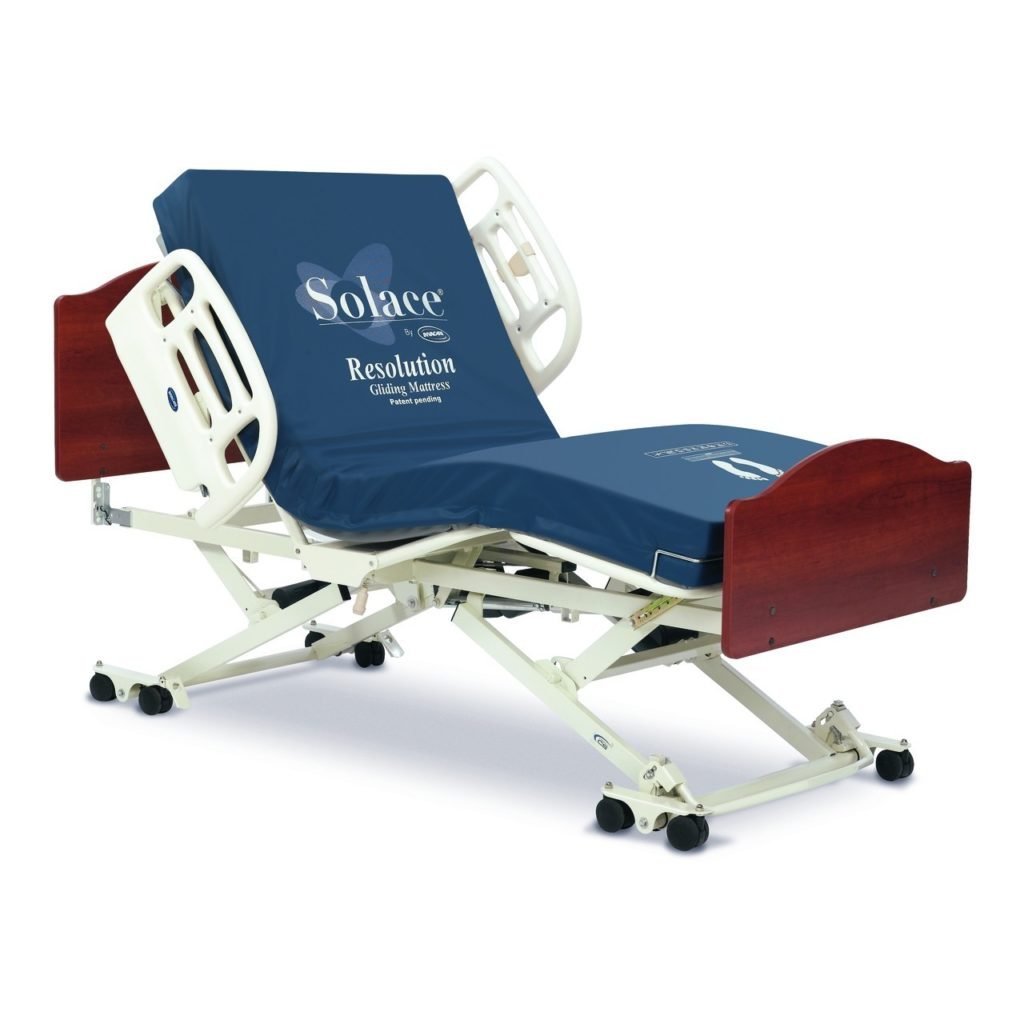
  • Manual Hospital Beds—Adjustable with hand cranks; ideal for short-term or low-budget rentals
  • Semi-Electric Bed The bed features electric adjustments for the head and foot, along with manual Hi/Lo height adjustment.
  • Fully electric beds are ideal for both patients and caregivers, as they offer effortless motorized positioning.
  • Short Hospital Beds—They help in minimizing the risk of falls, such as for seniors.
  • Bariatric Beds—Designed to accommodate heavier weight limits and provide increased support

The right bed will depend on the level of mobility, caregiver assistance, and where it will be used.

What to Know When Renting

Speedy Delivery: Most of the medical bed rental companies in the GTA offer rapid delivery—sometimes as quickly as 24 to 48 hours. Technicians typically set up the bed, position it, and perform safety checks. Use the measurements to know if this bed will fit in your room and take up accessible space for full access.

Rental terms typically come with maintenance help and no-hassle pickup when the bed is no longer useful. Some also help with insurance paperwork or claims on long-term care.

Why It Makes Sense to Rent a Medical Bed

Here are three reasons why renting a medical bed offers flexibility, low upfront costs, and professional support. For many families in the GTA, renting is their most straightforward path toward providing secure, comfortable home care without buying a bed and will be their preferred option.

2January 2026

How One Vaughan Family Saved Money on a Medical Bed Purchase

The Vaughan family knew that having a hospital bed set up at home for their father was likely to be expensive when they were informed after his surgery that he would need one—but still thought they could handle paying for the service. What they didn’t know at the time was how quickly expense levels could leach into the stratosphere over time if they failed to ask certain questions. With their hospital discharge time ticking and little time to decide, they were anxious to find a solution that was safe and affordable—without short-changing comfort and care.

The Initial Sticker Shock

The first step was to check online for medical beds for sale in Vaughan and the GTA area. Prices were all over the map, and many listings advertised low base prices that didn’t include necessities like side rails, pressure-relief mattresses or delivery. And then when they added all these things, the cost was far more than we expected. The family quickly discovered that comparing prices was just the beginning; they would also need to determine what, exactly, they were paying for.

Renting vs. Buying—The Big Decision

At first, the family thought about renting a medical bed. Monthly, the rental rates seemed reasonable enough, but once they pencilled out over six months or longer, buying racked up better financially. The trick was picking a bed that met the short-term needs of recovery but also any potential long-term use and would allow us to avoid having to switch it out later.

Picking the Perfect Bed on Your First Attempt

Rather than reach for the latest model, the family stuck to what it actually needed. An all-electric medical bed was the safest, simplest, and lowest cost. By declining to over-upgrade, they saved hundreds of dollars and upheld their father’s comfort and autonomy.

Tapping into Ontario Grant Programs

One of the greatest savings was learning about Ontario’s Assistive Devices Program (ADP). With the help of an informed local provider, the family was able to fill out necessary “paperwork” (this is a manufacturer requirement) and did get partial payment of the price. Or they might have spent money on such services, when at home, local sympathetic figures would perhaps have pointed them toward funding they were entitled to.

Using a Local Escort Service in Vaughan: One of the benefits of using a local provider is the escort service in Vaughan.

Instead of going with a big, national chain like many people do, the family selected a Vaughan-based medical equipment company. This choice allowed them to save money in a handful of ways. Delivery was local, transportation costs were minimized, setup was complimentary, and they had the provider size the bed to their house before they processed payment. It was great to be able to talk directly to someone who knows the Rogers home and layout.

Avoiding Hidden Costs

The family also avoided hidden costs by asking questions early. They checked warranty coverage, return policies and service support before purchasing. This openness shielded them from unanticipated expenses in the long road and afforded them peace.

The Lesson Learned

In the end, planning and patience allowed them to save money as a family: They purchased the right bed—it was perhaps not the most expensive, though sometimes it is—from a local medical bed provider who knew Ontario’s labyrinthine health care programs. Their story proves that buying a bed medically recommended (read: heavy duty) bed doesn’t have to be overwhelming, overpriced, or even the least bit confusing when families can take the time to research what their options really are.

There are financial advantages to doing so: If you’re in need of a medical bed or other equipment, whether it’s in Vaughan or another of the GTA’s suburbs, having some insight can be valuable.

2January 2026

Where to Find Discounted Medical Beds in Ontario (2026 Guide)

Twist a single bed. Medical beds are an important aspect of home care, surgery recovery, and patient support. But a brand-new medical bed can cost quite a bit. The positive news is that in 2026, Ontario consumers have numerous tools at their disposal to get a discount-priced hospital bed that isn’t just cheap but also safe and comfortable. In this blog, we Discuss some of the best places to buy affordable medical beds in Ontario that are not only excellent value for money but also emphasize quality.

Purchase Old Medical Beds from Nearby Sellers

If you want to know where to buy a cheap medical bed in Ontario, consider local resale outlets; they are an easy way to find a discounted medical bed. Websites like Kijiji and Facebook Marketplace frequently offer gently used hospital beds that families no longer require.

You can find secondhand medical beds for 30–70% less than their original price. Many listings feature electric hospital beds, adjustable frames, and side rails.

Opt for Refurbished Medical Beds from Reliable Suppliers

Refurbished medical beds are a wonderful option for buyers who are seeking peace of mind. Some Ontario medical equipment retailers do a professional examination, sanitation, and refurbishing job on used hospital beds before reselling them.

Refurbished beds typically:

Much cheaper than new beds

  • Are safety-tested and serviced
  • Include limited warranties.
  • Offer delivery and setup services.

Perfect for the elderly, long-term patients, and families looking for quality equipment on a budget.

See If You Can Get a Clearance Deal at Local Medical Equipment Stores

Clearance sales are common for years-prior models and floor demos at medical supply stores all over Ontario. These beds usually are brand new or in like-new condition and include store backing, warranties, and, if desired, installation.

Seeing a store in person also lets you try out the bed’s height adjustment, controls, and mattress fit before making a purchase.

Go for companies renting hospital beds that are selling their old inventory.

People who rent hospital beds typically sell older models at a discount. Mostly we provide rental beds for which servicing is carried out regularly and they get good attention.

It’s an own that option if:

  • Searching for a high-quality electric hospital bed
  • Want a lower upfront cost?
  • Prefer professional delivery and setup

Various rental stores in Ontario offer you short-term rentals and also the choice to purchase a secondhand bed.

Check out community programs and non-profit support groups.

There are several Ontario-based charities, community groups, and medical equipment reuse programs that provide hospital beds at discount prices or no charge to families who need them. Availability is different depending on your location, but it’s worth exploring local nonprofits, programs to support seniors, and community-based health organizations.

Last-Minute Advice—Before You Purchase a Discount Medical Bed

  • Confirm weight limit and room size constraints. Check the motors, rails, and control systems.
  • inquiry about the medical bed delivery, installation, and return policies.
  • Choose CSA-approved equipment for safety.

Conclusion

Searching for a discounted medical bed in Ontario in 2026 is simpler than ever if you know where to look. If you know where to look, finding used, rebuilt, or clearance beds becomes easier than ever. or rental company remnants; if you look for them, there are affordable beds out there for all care needs and price ranges.

31December 2025

Designing Patient Rooms: Getting Bed Size and Clearance Right

Creating a patient room, be it in a clinical or residential setting—a hospital, long-term care facility, or home care context—necessitates thoughtful consideration. One of the most significant factors is selecting a medical bed size and maintaining space around it. A planned room increases the comfort of the patient, simplifies and optimizes work for the caregiver, and provides safety.

Bed Size and Its Applicability to Patient Room Design

The patient bed is the key element of every line. The right size means the patient can be active with comfort and caregivers can work freely. There are standard, bariatric, and extended-length hospital beds. Each requires different spatial considerations.

When bed size isn’t adapted to staff and patients, rooms can seem crowded, getting in and out of equipment becomes challenging, and potential safety hazards are created—particularly when a patient is being transferred or there’s an emergency.

Recommended Clearance Around the Bed

Clearance is as important as bed size. There should be enough room around the bed to allow caregivers to assist a patient, move equipment in and out, and manage infection control.

Some of the important clearance details to keep in mind are as follows:

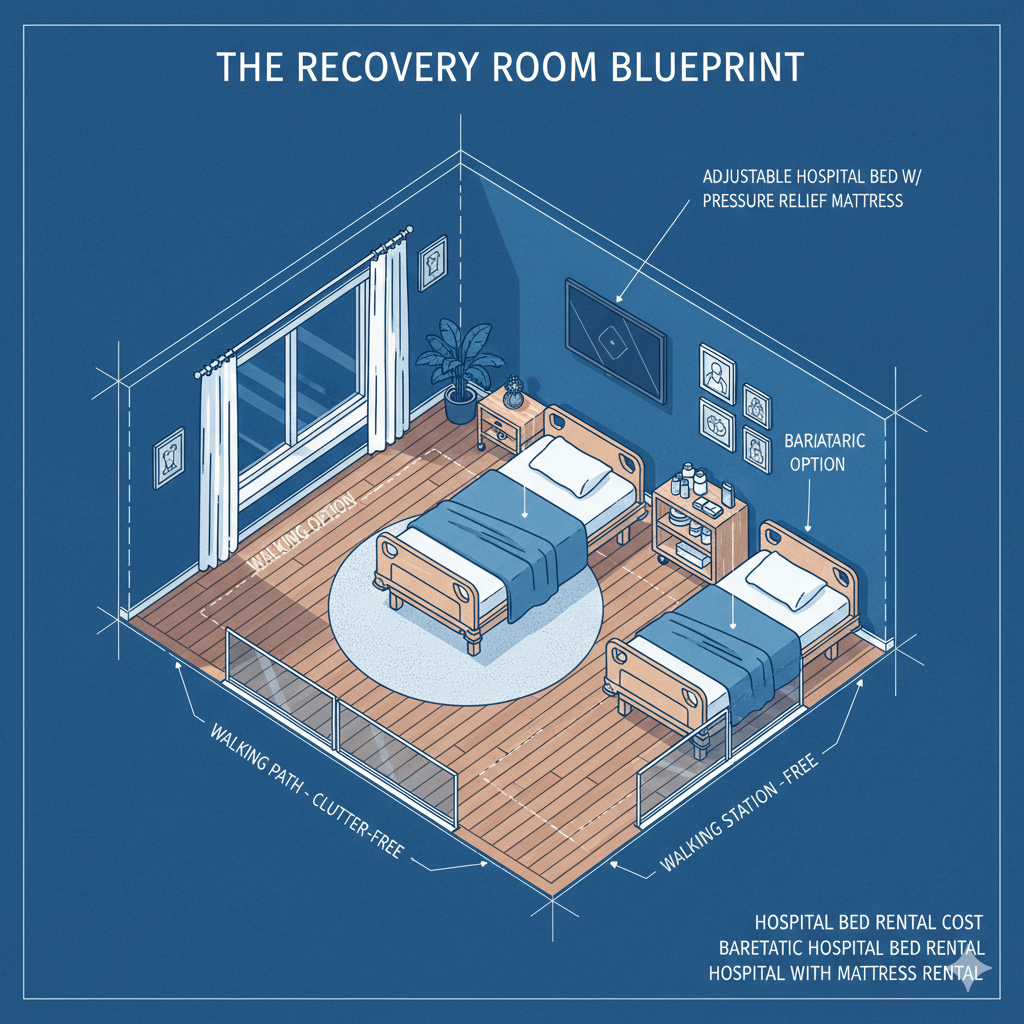
  • Side clearance: Minimum 36 inches on one or both sides for caregiver access
  • Clearance at the foot end of the bed should be a minimum of 48 inches to accommodate both elevation and the bed’s location.
  • Top clearance: Ample room for your wall-mounted medical equipment and headboard access
  • Manoeuvrability: Open paths for wheelchairs, walkers, and patient lifts

These clearances alleviate the burden on caregivers and enhance the patient transfer process for safety.

Design the room to ensure comfort and mobility for the patient.

Thought out, the room would facilitate patient independence and dignity. Appropriate spacing also allows patients to easily transition in and out of bed, reposition themselves, or utilize walking aids without barriers.

Important comfort considerations include:

  • Quick access to bedside tables and call buttons
  • Unobstructed walkways to the bathroom
  • Room for recliners or guests. The certificate receives registration at the record commission.
  • You’ll experience fewer tangled wires and more room in your bag, at work or on your dash.

Recover your layout with a few smart choices.

Development of Medical Equipment and Accessories

In addition to the bed, patient rooms are equipped with add-on devices such as IV poles, oxygen concentrators, overbed tables, and lifts. By designing with these in mind, you eliminate clutter, and everything gets a home that is designated and simple to find.

Looking ahead also makes it easier to upgrade or modify the care area without having to redesign the entire room.

Future-Proofing Your Patient Room Design

The needs of patients may evolve. Flexible design allows the room to accommodate various bed sizes, care levels, and mobility requirements. There is extra clearance and modular furniture for easier transition between short- and long-term care.

Final Thoughts

Designing Functional and Safe Patient Rooms Getting bed size and clearance correct can help create safer, more comfortable patient rooms. When you make space planning and operational efficiencies a priority, you will improve the environment for those involved in care delivery or receipt.

30December 2025

Hospital Bed Rental Costs in Ontario: Budget-Friendly Options Explained

Hospital bed rental is an option for a significant number of Ontario families requiring medical care at home, both short- and long-term. There are overpriced and affordable beds available throughout Ontario, so you never have to worry about getting stuck in a bad situation.

The average cost of renting a hospital bed in Ontario varies.

The cost of renting a hospital bed in Ontario varies depending on the type of bed required and its functionality. Traditional hospital beds: Basic manual One of the more budget-friendly options, it is good for patients who don’t require much positioning support. Semi-electric hospital beds, which are designed for powered head and foot adjustments, are generally more expensive; however, they provide added comfort and convenience. The most expensive type of hospital bed, being the fully electric kind, allows full adjustments and convenience for patients and caregivers alike. Prices for rentals are generally offered on a monthly basis (the longer the rental, the cheaper).

Factors determining the Cost of Renting a Hospital Bed

There are several considerations that impact the total expense when renting a hospital bed in Ontario. The style of bed significantly influences the cost, particularly when one requires electric or bariatric capabilities. The length of your rental is also crucial; usually there are longer-term discounts that apply for monthly rentals. Delivery, setup, and pickup costs can vary depending on your location and the provider’s service area. Extra stuff like pressure-relief mattresses, bed rails, or trapeze bars can add to the overall cost of rental if not part of a base package.

Budget-Friendly Hospital Bed Rental Options

There are a number of alternatives for Ontario families wanting to live on a budget. For Temporary Recuperation—Most manual or semi-electric hospital beds are good enough for TEMPORARY use of up to 3 months and cost far less than a full electric bed. Opting for local medical equipment providers rather than large national chains can also lead to cost savings, particularly when it comes to delivery and service. A few will have refurbished or gently used hospital beds for a reduced rental cost, yet they will still be compliant with safety and quality.

How to Save Money on Hospital Bed Rentals in Ontario

Costs of hospital bed rentals can decrease and be practical throughout Ontario. You can avoid unnecessary upgrades by only paying for what you actually need to rent. Requesting a discount for long-term rentals can also produce substantial savings if you use the bed for several months. It may also help reduce total costs to package hospital beds with other medical equipment, such as walkers or wheelchairs. Some private insurance plans, or even some provincial assistance programs, may cover part of the cost of the rental, so it’s worth checking to see if you qualify.

Rent or Buy a Hospital Bed in Ontario.

When you have short-term recovery care needs, renting a hospital bed is often the least expensive option. It eliminates the worry of maintenance and makes returns hassle-free when you no longer need the bed. Long-Term/Permanent Care If you have a long-term or permanent care situation in your home, and you will be needing the same type of bed for an extended period, it may be more cost-effective to purchase a home hospital bed. Discuss rental vs. purchase prices with a reputable Ontario medical equipment provider to help determine which works better for your situation and budget.

Local Ontario services are often more affordable.

Local hospital bed rentals in Ontario can provide you with both fast delivery and a better deal—even if they are mobile! As local residents, they understand the community’s healthcare requirements and can offer individualized care at transparent prices with no hidden charges. That neighbourhood support can be particularly helpful when you need to make a small (or large) modification in either the design or for maintenance.

Final Thoughts

Knowing how much it costs to rent a hospital bed in Ontario helps you research for cheap alternatives while retaining safety and comfort. The right kind of bed, a relationship with local suppliers they can trust, and taking advantage of all the savings that are available mean that families can embrace quality home care and not exceed their financial constraints.

29December 2025

Hospital Bed Delivery Requirements: What to Measure Before Booking

Arranging a hospital bed for home care is a vital stage in facilitating recovery, long-term care, or aging at home. Most families are excited about choosing the perfect model of bed, but they often miss out on one crucial way to prepare—their home for delivery. Using your measurements prior to booking is a sure way to make sure you’re following the correct plan so that installation goes smoothly and no extra time, money, or safety issues crop up.

Here’s our guide to everything you should measure before ordering a hospital bed delivery.

Why Proper Measurements Are Essential

Beds in hospitals are bulkier, heavier, and more complicated than those available for home use. These may involve adjustable bases, motors, side rails, or deluxe mattresses. Poor measurements can lead delivery crews to challenging situations during the removal of old furniture through narrow doorways or tight hallways or to difficulty fitting new furniture into insufficient space.

By measuring ahead, you can:

  • Verify the bed. Will safely fit in the room you chose
  • Allow for caregivers to easily travel around the bed.
  • Prevent last-minute delivery rescheduling.
  • Less damage to walls, doors, or floors

Measure the Bedroom First

Begin with the room in which the hospital bed is going to be installed.

Check:

  • Room length and width
  • Clearance at both sides and foot of bed
  • Height, especially with adjustable beds or for patient lifts

A hospital bed generally needs additional space for staff to help with transfers, rolling, dressing, and the like. Sufficient clearances also help to provide patient comfort and safety.

Inspect Every Door and Entrance

Most hospital beds come in pieces, but you will need doorway clearance.

Measure:

  • Front entrance door width and height
  • Doors to the bedroom
  • Space-limiting doorways, handles, or moulding

Many hospital beds need that much space to pass through. Verified dimensions ahead of time can avoid problems at delivery.

Measure Hallways and Turns

Hallways and turning points can be problematic when making deliveries.

Be sure to:

  • Measure hallway width.
  • Locate curves and tight turns.

If possible, move furniture, rugs, or decorative objects out of the way of the entrance. artist agents and representatives (i.e., managers).

Stairs, Elevators, and Multi-Level Homes

Additional measurements are necessary if the bed has to go upstairs or into an apartment or condo.

For stairs:

  • Stair width
  • Ceiling height above staircases

Size of landings and turns

For elevators:

  • Door opening width and height
  • Interior elevator dimensions

This information allows the supplier to arrange for delivery accordingly.

Power Access and Floor Conditions

The majority of electric hospital beds need to be connected to a nearby electrical outlet.

Before delivery:

  • Have an outlet easily accessible..
  • Secure loose rugs or cords.
  • Ensure there is a level, flat floor.

These small checks will help to provide a safer and smoother bed.

Final Thoughts

This means that if you had not addressed the issue and arranged for a hospital bed delivery to your home, you should not be shocked or frustrated. Exact measurements are critical both for a bed that fits well and is comfortable—and also to allow caregivers to work safely and unencumbered as they set it up.

When well planned, hospital bed delivery is easy, so you can concentrate on what’s important: delivering comfort and dignity at home.

28December 2025

How to Choose Medical Equipment That Supports Safe and Comfortable Long-Term Care

Selecting the appropriate medical equipment is essential to ensure a comfortable and safe long-term care experience. Regardless of the care setting (at home, assisted living, or long-term care), medical equipment impacts patient quality of life and staff productivity.

Long-term care may mean chronic health conditions or diminished physical capabilities due to aging or other factors; hence, the need to choose equipment that is safe, comfortable, and practical.

Begin With What the Patient Needs on a Daily Basis

No two long-term care scenarios are the same. When choosing medical equipment, one should first consider the patient’s physical status, mobility ability, and daily activities.

Consider factors such as:

  • Ability to move independently
  • Risk of falls or injuries
  • Need help with routine tasks
  • Chronic health conditions

Duration of support needed

For instance, some patients may need adjustable medical beds and transfer equipment if they have mobility issues that are so great they’re unable to get out of bed on their own, while others might require simple ambulatory supports such as walkers or wheelchairs.

Focus on Safety Features

Safety is always a concern in any long term care centre. Medical equipment, after all, should be a bulwark against falls and strain and injury — not just for patients, but also for caregivers.

Look for equipment with:

  • Adjustable height and positioning
  • Protected side-tracks or support holders
  • Non-slip surfaces

Stable and sturdy construction

Beds, lifts and rails help to keep both patients and caregivers safe from accidents while commuting or sleeping.

Ensure Comfort for Long-Term Use

Those who are reliant on medical equipment day in and day out deserve to be comfortable.Long-term care equipment should provide proper positioning, relieve pressure, and allow for easy transfer.

Comfort-focused features include:

  • Pressure-relief mattresses
  • Ergonomic seating
  • Smooth and quiet adjustments
  • Soft but durable materials

When we are comfortable, we are healthier and mentally balanced, with dignity.

Choose Durable and Easy-to-Maintain Equipment

Equipment for long-term care needs to stand up to fairly constant use. Choosing the right medical equipment that is built to last and is fatigue- and damage-resistant will let you down much less over time in an operational sense.

When evaluating equipment, check:

  • Build quality and materials
  • Warranty and service support
  • Ease of cleaning and maintenance

Compliance with healthcare standards

Equipment through which repeated waits for machines are eliminated provides a partial solution to the problem of hospital quality because less waiting means improved treatment and less inconvenience.

Consider Space and Accessibility

The patient environment determines what kind of equipment you might use. Home care facilities being relatively small, it is to be ensured that equipment does not constrain mobility.

Make sure the equipment:

  • Fits the room layout
  • Allows safe caregiver access
  • It is easy to move or adjust.
  • Works well in smaller spaces
  • Small and adaptable models are generally best for long-term care at home.
  • Consult Healthcare Professionals

Doctors and medical providers can offer valuable insight when it comes to selecting medical supplies for long-term care. Doctors, nurses, and physiotherapists are well-versed in identifying patients’ needs and recommending appropriate equipment for safe and effective care.

Professional guidance is also key to making sure the equipment one chooses conforms to The medical needs will be met, and the individual will be comfortable over an extended period.

Final Thoughts

For safe and comfortable care over the long term, medical equipment should be carefully considered. With an emphasis on the needs of patients, safety and comfort features for caregivers, durability, and overall ease of use, you can support bonuses that are based on quality of life.

Having the right medical equipment can help enhance patient safety and comfort, making long-term caregiving more efficient and easier.

27December 2025

Common Medical Equipment Every Caregiver Should Know About

​Taking care of someone at home or being a caregiver in a long-term health care setting takes more than willingness to help; it requires the right tools for safe and comfortable, quality patient care. Caregivers who grasp the use of common medical equipment can provide better end-of-life support, minimize risks, and enhance the quality of life for those in their care.

This pocket guide provides basic medical kits everyone should know.

Hospitals & Adjustable Beds

Hospital beds are a vital part of long-term care, offering patients the comfort and support they need if they are unable to move.

Key features caregivers should know:

The height and back can be adjustable to fit users’ convenience and make the chair simple to care for.

  • Side rails to prevent falls
  • Easy-to-clean surfaces for hygiene
  • Fits most pressure-reduction mattresses to aid in the prevention of bedsores

For home use, the best electric hospital beds provide safer repositioning and relieve caregiver strain.

Wheelchairs & Mobility Aids

Devices to aid mobility are required for those patients who are unable to move on their own.

Common options include:

  • Manual wheelchairs—lightweight and convenient indoors
  • Electric wheelchairs are recommended for patients who are weak or have complex mobility issues.
  • Walkers and rollators—for individuals who can stand with help, they can get the support that they need on their walks.
  • Crutches and canes—for temporary support or partial mobility support

Efficiency, correct use, and precautions should be explained to the caregivers.

Lift & Transfer devices.

Lifts and transfer devices can help caregivers safely manoeuvre infirm patients with limited mobility.

Examples:

  • Hoyer lifts help with getting in and out of bed/driving compression stages 1, 2, and 3 and assist with bed-to-chair transitions.
  • Standing lifts are custom-made to help occupy an individual in standing or ambulation for short distances.
  • Transfer boards—sliding patients between two surfaces in a safe and atraumatic manner
  • Proper use of these devices can minimize resultant patient and caregiver injuries.

Respiratory & Monitoring Equipment

An intimate set of patients needs continuous control and/or assisted ventilation and hemodynamic support.

Important equipment includes:

  • Concentradores de oxígeno y tanques (para enfermos respiratorios)
  • Pulse oximeters—to check blood saturation and pulse rate
  • Blood pressure monitors: Monitor your health at home.
  • Thermometers—for fever checks and monitoring in general

Both the appropriate use and maintenance are critical to safety.

Daily Living & Safety Aids

Caregivers also need to be aware of devices that aid in daily activities and may prevent accidents:

  • Over-bed tables—meals, reading, and personal care
  • Bedside commodes and shower chairs—aides for toileting and hygiene
  • Handrails and bars—have something to grab onto in your bathroom or hallways.
  • Anti-slip and sit-up slits for your added peace of mind in the shower.

These instruments also enhance the quality of daily caregiving tasks for both patients and doctors.

Final Thoughts

It is important for all caregivers to possess a basic understanding of standard medical equipment to offer safe, efficient, and comfortable patient care. From the type of hospital bed and wheelchair to lifts and respiratory technology, having the appropriate equipment can have a profound impact on a patient’s quality of life.

Teaming up with a reputable medical equipment provider in your region means you have simultaneous access to the right, top-quality devices along with the training and continuing support so that caregivers can concentrate on what’s most important—providing caring care.

26December 2025

How Medical Beds Improve Comfort and Safety at Home

Tending to a loved one at home or recovering from surgery can be physically challenging without proper equipment. Medical hospital beds (also known as adjustable beds and sometimes called homecare beds) are essential equipment when designing home-care environments. Unlike traditional beds, medical beds provide unique functions to simplify daily care for patients and their carers. Here’s a look at how medical beds can greatly enhance comfort and safety within the home.

Enhanced Comfort Through Adjustable Positions

One of the greatest benefits of medical transfer beds and equipment is the fact that they are adjustable. This can be tailored to the perfect position for you—your body will thank you, as well as your productivity.

Key comfort features include:

  • To reduce pressure on the back and other joints, head and foot sections It can be raised into a lift position.
  • Elevating the legs promotes circulation.which may reduce swelling.
  • This step brings better breathing care and has more advantages for lung patients.
  • Tailored for sleeping, eating, reading, and watching TV

These advantages are particularly useful for seniors, recovering patients, and those with chronic diseases.

Enhanced safety for both patients and caregivers

Home care may include some safety concerns, and that’s where the medical bed was invented. They reduce the chances of an accident occurring and promote independence.

Safety benefits include:

  • Side rails are used to stop a patient from rolling out of bed while asleep or during transfer.
  • The height-adjustable feature is easy for the user or carer to raise or lower to suit the individual’s needs and also facilitates safer and easier transference in and out of bed.
  • The wheels are locked in place to ensure that the bed does not move while attending to the patient.
  • This also assists the carer to transfer and move the client.

These precautions serve to reduce the occurrence of many of these accidents (i.e., falls, pulled Muscle and back injuries make home care a safe place for everyone involved.

Medical rehabilitation, home care, and long-term care

It is not mere comfort we are talking about: medical beds are a necessity for recovery and long-term care. The ideal placement of medical beds for maximum rehabilitation is beneficial to healing outcomes.

Medical advantages include:

  • Reduction of pressure, prevention of decubitus ulcers, and skin breakdown
  • Optimized wound care, ideal elevation, and positioning
  • Utilization of medical devices like overbed tables, IV poles, and trapeze bars
  • Works on a pressure relief mattress for better comfort

These benefits make medical beds ideal for post-surgery or other recovery patients, as well as long-term care patients who need assistance in their homes.

Foster autonomy and well-being.

Simple though they may be, the levers on a medical bed allow us to adjust our position without losing our dignity. This self-regulation has possible implications in mental health and quality of life.

A Smart Investment for Home Health The total cost for the next 90 days was $3,338. But after patients left the hospital, doctors who were randomly assigned to one company’s service visited them at home and spoke with them about their medical care.

With medical beds, it is also practical for women to have home-based nursing care. They are a combination of comfort, safety, and services that provide an atmosphere conducive to recovery while diminishing the burden of caregiving. A hospital bed in Vaughan can be a vital addition to at-home recovery or treatment that needs ongoing care.

25December 2025

Why Adjustable Hospital Beds Are in High Demand Across the Markham

Throughout Markham, home care, long-term care, and recovery environments are beginning to insist on adjustable hospital beds. An aging populace, shorter hospital stays, and a growing preference for at-home care mean the need for these versatile beds is soaring. Here, we explore the increasing demand for adjustable beds in Toronto and its surrounding areas.

Aging Populations and the Need for Home Care

The Markham is home to a significant and growing population of seniors. Older adults would generally rather age in place than enter long-term care facilities. With adjustable hospital beds, their goal is achievable, as clinical-quality support can now be applied in the domestic setting.

Key benefits for seniors include:

  • Get in and out of bed easier.
  • Better circulation and fewer pressure points
  • heightened comfort for chronic problems, like arthritis or breathing issues.

These qualities are helping seniors to stay independent—and ensuring that the caregivers’ burden remains light.

Quicker Hospital Releases, Recovery at Home

Hospitals in the Markham discharge patients early, often to allow beds to empty. Therefore, families are using adjustable hospital beds for home recovery from surgery, injury, or illness.

Here are the reasons why adjustable hospital beds are excellent for post-hospital care:

  • The head and foot of the bed can be adjusted to provide optimal support for healing.
  • Safer positioning reduces fall risks.
  • Wheelchair and accessory compatibility

​This setup makes patients feel comfortable and allows them to follow medical guidance.

Palliative and long-term comfortable care

Comfort and dignity are essential for anyone requiring long-term or palliative care. Elevating hospital beds can be used to provide individualized positioning for pain management and lifestyle.

Common comfort-focused features include:

  • Electric height and position adjustments
  • Pressure-relief mattress options
  • Bar a gateway for safety.

Furthermore, these characteristics help reduce the burdens of day-to-day care and encourage patient comfort.

Increased Awareness of Caregiver Safety

There is a physical strain for both formal and informal caregivers when they care for the patients. The adjustable hospital beds will drastically reduce the amount of manual handling required, which helps prevent back strain and fatigue from lifting and bending.

Caregiver-friendly advantages:

  • Height adjustment minimizes back strain.
  • Hygienic and transfer easier to position
  • Safer patient handling overall

This attention to caregiver safety has been a major driver behind the spike in demand across the Markham.

Flexible Rental and Purchase Options

Accessibility is another large driver of the demand. Most Markham companies that provide medical equipment for renting or purchasing are flexible when it comes to selling and financing adjustable hospital beds in Toronto.

Why this matters:

  • Short-term rentals for recovery periods
  • Cost-effective solutions without long-term commitment
  • Delivery and setup are available in the following Markham cities:

This adaptability means families can obtain the right equipment at precisely the moment they require it.

A NEW HEALTHCARE REALITY, A REAL-WORLD ANSWER—SIMPLE AND PRACTICAL

The adjustable hospital bed bridges the gap between hospital care and at-home care. Their versatility, safety, and ease of use make these commodes a preferred choice among their corresponding users. With healthcare moving more and more to home care, it’s no wonder there is demand for hospital beds in Markham.