Category: Hospital bed for sale

  • Home
  • Category: Hospital bed for sale
18December 2025

Rental Hospital Bed Vaughan: Short-Term Options for Surgery Recovery

Home care after surgery can be a challenge—especially when mobility, comfort, and safety are hindered. A short-term hospital bed rental in Vaughan makes good financial sense for many patients, and they can expect to heal faster, rather than dealing with the expense of acquiring medical gear.

This article outlines why it makes sense for you to rent a hospital bed in Vaughan, what you can expect when doing so, and how to choose the best one when renting.

Why You Want to Rent a Hospital Bed After Surgery

Regular home beds are not made for post-surgical care. The medical-grade features of a hospital bed rental help to enhance recovery results dramatically.

Key Benefits

  • Head, foot, and height adjustable positions
  • Less strain entering and exiting the bed
  • Improved circulation and breathing
  • Lower risk of falls
  • Enhanced caregiver access

Short-term rentals afford you the bed and nothing more for just as long as it takes to recover without any long-term obligation.

Who Is Short-Term Hospital Bed Rental For?

Hospital bed rentals are the choice for Vaughan individuals in recovery from:

  • Knee or hip replacement surgery
  • Spinal or back surgery
  • Heart or lung procedures
  • Abdominal surgery
  • Post-accident or injury recovery
  • Temporary mobility limitations

If your physician has ordered limited movement, elevation, or assisted transfers to begin with, it is often the safest choice to rent a hospital bed.

Categories of Hospital Beds for Rent as a Temp Bed

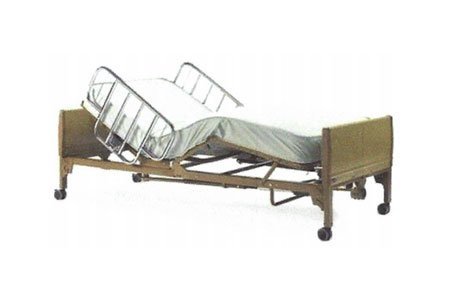
  • Manual Hospital Beds
  • Hand-crank adjustments
  • Budget-friendly
  • Suitable for basic recovery needs.
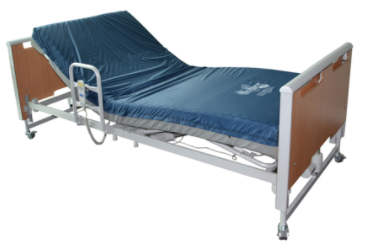
  • Semi-Electric Hospital Beds
  • Electric head and foot adjustment
  • Manual height adjustment
  • Ideal for short-term home recovery
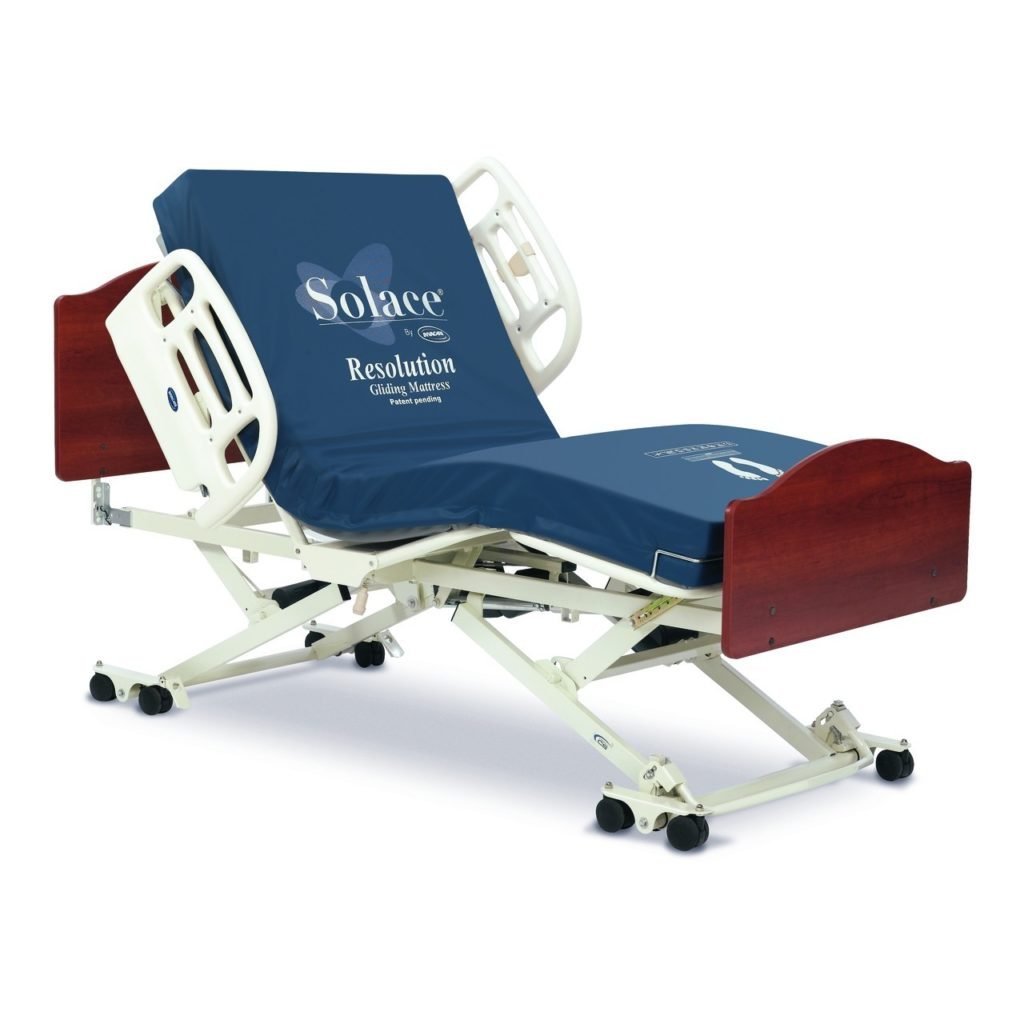
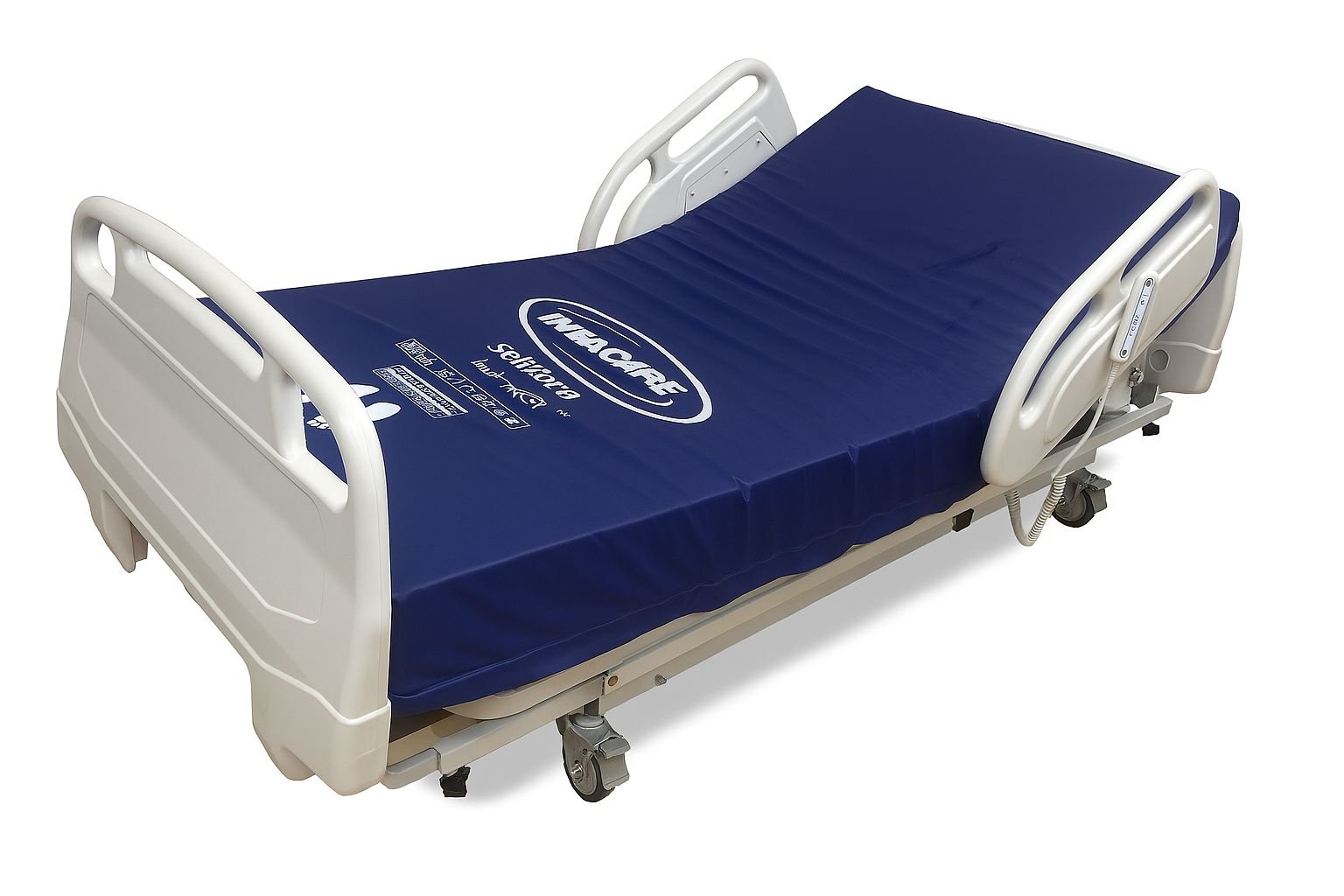
  • Full Electric Hospital Beds
  • Fully motorized adjustments

Ideal for limited mobility or help from a caregiver

The most advanced options for home care rentals in Vaughan.Rent a Hospital Bed: How Much Does It Cost in Vaughan?Rental prices fluctuate based on bed type and accessories, but short-term rentals are exponentially cheaper than purchases.Typical Monthly Rental Range:

  • Manual beds: $100–$150
  • Semi-electric beds: $150–$250
  • Full electric beds ($250–$350)

Besides, over-bed tables or mattresses can be ordered in addition.💡 Several services also offer weekly or 30-day rental packages with quick delivery in Vaughan and across the GTA.

What Are Good Accessories to Help Recover After Surgery?

To increase the comfort and safety, one could add:

  • Pressure-relief or foam mattresses
  • Side rails for fall prevention
  • Tray tables for meals and medications
  • Bed trapeze bars for repositioning
  • Low-height settings for safer transfers

It is also possible to gradually add or remove such accessories as recovery evolves.

Delivery, setup, and pickup in Vaughan

A strong advantage to renting through a local agency is white-glove service:

  • Lightning-speed delivery (usually the same or next day)
  • Professional setup in your home
  • Clear usage instructions
  • Hassle-free pickup after recovery

And this is especially important post-op, where you want to avoid physical exertion as much as possible.

How to Select the Best Hospital Bed Rental in Vaughan

Before renting, ask:

  • Is the bed CSA-approved?
  • Are mattresses and rails included?
  • How quick is Vaughan delivery?
  • And if everything goes wrong, do they have customer service?
  • Are flexible rental terms offered?

Deciding on a well established local company to serve your needs is guaranteed to give you peace of mind in recovery.

Final Thoughts

When you’re convalescing after surgery in your own home, it should be a time of healing — not wincing as you struggle to get comfortable or playing Goldilocks, sussing out where and how to sleep safely. A Vaughan hospital bed rental is a cost-effective, easy, and medically preferred method for short-term convalescence.

Having a lovely place to sleep and extra support lets you concentrate on resting, healing and easing back into your usual life.
17December 2025

Beyond the Mattress: 5 Key Features to Look for in a Home Hospital Bed

When creating a safe and comfortable home care space, most consider selecting the right mattress—but a home hospital bed is more than just where you sleep. The properties The integration of these features into the bed itself is fundamental for ensuring safety and comfort, facilitating the caregiver’s work, and enhancing the quality of life.

Whether you are taking care of an elderly loved one, healing after surgery, or dealing with chronic illness, insight about what’s off the mattress can empower you to confidently select the best home hospital bed.

Ergonomic Design with Adjustable Positioning for Comfort and Wellness

Below are the key functions of a home hospital bed: 1) What Are The Best Qualities Of A Home Hospital Bed? One of the greatest attributes of a home hospital bed is its ability to adjust.

Why It Matters

  • Raising the head helps with breathing, reading, and eating.
  • Lift the legs to increase blood flow and decrease swelling.
  • Alter the bed frame height to make it easier for someone to get in and out of bed.
  • Fully electric hospital beds make smooth, easy adjustments at the press of a button—great for patients and caregivers alike.

Safety and Fall Protection are enhanced by the Height Adjustment feature.

By keeping the bed low to the ground, it helps ensure that no one falls from it, especially our elderly.

Key Benefits

  • Keeping the bed low helps lower the risk of injury from falling when getting in and out of bed.
  • The higher the position, the easier it gets to take care of tasks such as dressing or repositioning.
  • Height is adjustable for safe and easy transfer into wheelchairs or walkers.
  • Low hospital beds are particularly advocated for high fall risk or unbalanced people.
  • Supportive Side Rails Ultimately, the Koala Baby Bed Rail is designed to promote your child’s health and security.

Rails are not mere safety barriers; they offer much-needed site assistance.

What to Look For

  • Full rails for maximum protection
  • Half or assist rails for support and position changing
  • Easy-to-lock and easy-to-lower designs

Appropriately chosen angled side rails can prevent falls and allow a user something sturdy to grasp when he or she is upright, moving, or getting out of bed.

Durable Frame and Weight Capacity

A sturdy bed frame not only ensures the stability and durability of the bed but also provides protection for your safety.

Important Considerations

Ensure that the bed frame has a sufficient weight capacity to meet the user’s weight requirements.

  • Heavy-Duty Steel Frame for Long-Lasting Durability
  • Soundless motors for uninterrupted smooth operations

For those who need extra assistance, bariatric hospital beds are built with wider surfaces and increased weight capacities yet still provide the safety you expect from a bariatric bed.

Caregiver-Friendly Controls and Features

A home hospital bed is supposed to make caregiving easier, not more difficult.

Helpful Features

User-friendly hand controls Buttons are easy to see. strip_length: 47.24 inches Simple style Hot and cold water faucet rotation tap dual-use Older children use it with plenty of running water!

  • Lockout prevents inadvertent changes.
  • UPS for backup during power cuts
  • Locking wheels and smooth-rolling casters

Such features minimize the physical burden on caregivers and enhance efficiency in daily care operations.

Why These Features Are More Important Than You Realize

Although the mattress influences pressure-relieving properties and comfort, it is the structural and mechanical features of the bed that govern how safely and efficiently a patient can reposition, rest, and be nursed. Selecting the right hospital bed can:

  • Improve independence.
  • Reduce caregiver injuries.
  • Reduce the risk of falls and complications.
  • Support recovery and long-term well-being.

Final Thoughts

A home hospital bed is not simply a mattress and frame—it’s an important piece of medical equipment that provides for the safety, comfort, and dignity of patients in their homes. By considering these five elements, you will find a home that suits the patient and the caregiver.

And of course, if you need help choosing the perfect home hospital bed or accessories, our friendly staff are only a phone call away. Call us today for professional advice and quality home care options.

What Should You Look for in a Medical Equipment Supplier?

Selecting the right medical equipment provider is key to successful caregiving, patient safety, and office productivity—whether you’re a caregiver, clinic, or family member providing for someone at home. There are so many suppliers out there that it can be really tough to know who actually adds value and quality. The ideal supplier is working with you to achieve your care goals, not just bringing products but also knowledge, trust, and an ongoing service.

Below are some of the aspects to consider when selecting a medical equipment supplier.

High-Quality, Certified Medical Equipment

There’s no back-and-forth about quality in anything involving health and safety. Make sure the supplier’s products comply with Canadian health and safety standards.

Look for:

  • Reputable brands and certified equipment
  • Durable and well-maintained products
  • Proper cleaning and sanitization processes
  • Clear product specifications and manuals

The quality of equipment limits risk factors, enhances patient comfort, and ensures satisfactory curve recovery.

A Broad Selection of Equipment Options

The top supplier will have a wide range, so you won’t have to look elsewhere for the right product.

This may include:

  • Hospital beds (manual, semi-electric, full-electric)
  • Mobility aids (walkers, rollators, wheelchairs)
  • Lift chairs and patient lifts
  • Bathroom safety products
  • Respiratory and home-care devices

As needs evolve, flexibility is a beneficial thing to have, and few things are more flexible than the supply of goods.

Reliable Delivery, Installation, and Pickup

Timeliness and professionalism matter, especially when dealing with such time-sensitive issues of care.

A reliable supplier should provide:

  • Fast delivery in your area
  • Professional installation and setup
  • Clear demonstrations on equipment use
  • Hassle-free pickup for rentals

The flow and logistics can’t be seen, enabling your attention on the patient not coordination.

Clear Pricing and Rental Terms

A med kit is a significant purchase—so clarity and affordability can play a role.

Look for suppliers offering:

  • No upcharges and no upfront cost
  • Competitive rental rates
  • Short-term and long-term rental options
  • Purchase and rent-to-own choices

Being transparent helps those around you to trust what you are doing and enables you to make the best decisions.

Decent customer care and after-sales service

A good supplier does not disappear after the sale.

They should provide:

  • 24/7 or same-day customer support
  • When you need assistance, help is always available
  • Easy equipment repairs or replacements
  • Ongoing check-ins for long-term rentals

Support is key in avoiding patient care disruption.

Experience and Industry Knowledge

Medical equipment requires expertise. An experienced provider can point you towards perfect-match products.

You benefit from:

  • In-depth product knowledge
  • Personalized recommendations
  • Knowledge about the home-care and clinical demands
  • Better, more effective gear choices
  • Reputable expert suppliers listen and help you make the right decision.
  • Positive Reviews and Reputation

Reputation speaks volumes. Before you settle on a supplier, it would be wise to review their online profile and customer testimonials.

Check for:

  • Google reviews
  • Testimonials on their website
  • Community referrals
  • Consistent service history

In general, smoother transactions in reputable sellers are more common.

Final Thoughts

The best medical bed supplier will do more than ship you products; they will deliver peace of mind. However, by selecting a provider offering quality equipment, ongoing support, straightforward pricing, and reliable service, you’re setting yourself or your loved one up with the best care possible.

8December 2025

How a Proper Hospital Bed Can Improve Home Recovery for GTA Patients

The increasing trend toward home based recovery from an illness, injury or a surgical procedure is becoming more prevalent in the GTA! But having the correct equipment is critical for a safe, comfortable recovery — and that includes the right hospital bed. Hospital beds are built in a way that promotes recovery and movement as well as allows for patient care. They can make a big difference in the comfort and long-term outcomes for patients.

Here’s how a properly chosen hospital bed can make a big difference at home.

🛏️ Ultimate Comfort & Better Sleep

Sleep Sleep is an important part of recovery. Automobiles, Beds, and Transformer Products Enable one to Make Adjustments:

  • Well helps pet breathe easier and promotes better digestion
  • Support for calf to alleviate swelling and increase circulation
  • Posture alterations to reduce stiffness and discomfort

These personalized positions help keep patients comfortable for extended periods — something off-the-shelf beds just can’t match.

🛡️ Safer for patients and caregivers

Falls and pulled muscles are two hazards associated with home recovery. Key safety features found on hospital beds like these are:

Height adjustment for easier transfers

1) Well-built side rails to keep from falling off.

Locking wheels to secure the bed. iteritems

These aspects are helping in keeping independence intact and is also minimizing caregiver injuries.

🩺Increased Service for Individual Medical Needs

Recovering at home may require equipment and medical monitoring. A good hospital bed can help make everyday care lighter by:

  • Permitting seating positions for feeding or administering medication
  • Supportive in postoperative and healing of wound
  • Combining with pressure-relief mattresses to avoid decubitus wounds
  • It is particularly important to seniors or persons with restricted mobility.

🚶 Better Mobility & Quicker Rehabilitation

  • Movement is key to healing. Adjustable beds help patients:
  • Safely sit up without overstressing muscles
  • Transfer to a wheelchair or walker with ease
  • Change your position to prevent one side of your body from getting stiff and painful.

These advantages promote physical activity and therefore speed recovery.

🩹 Tailored for Each Condition

Here are details on the different style hospital beds to accommodate various recovery needs:

Common adjustable beds for home use are: Written prescription to insure medical necessity; 3.

  • High low beds for transfers and daily care
  • Bariatric beds for increased durability and space
  • Customized skin care and pain relief mattresses
  • For every condition, there’s a bed to address it.

🏙️ Home Care for GTA Families on the Go

A better family All GTA (Toronto, Mississauga, Brampton, Oakville, Markham..) Families profit from:

  • Fast delivery and setup
  • Flexible rental or purchase options
  • Service and support when needed

This eases a lot of the burden placed on families and frees them up to concentrate on what’s most important: getting better and feeling great.

💡 Final Thoughts

The right hospital bed is more than simply medical equipment — it serves as a base for safe and successful home recovery. The right bed can make it easier for patients in the GTA feel more comfortable and mobile, while ensuring that caregivers are safer.

If you’re coordinating home care for a family member, we want to help you pick the right hospital bed for them.

📞 Call us today for hospital bed rentals and sales in Toronto and the GTA

3December 2025

How to Choose the Best Hospital Bed for Home Care in the GTA

Selecting the Best Hospital Bed for Home Use Choosing the right hospital will make life easier, safer, and more comfortable for both the patient and the caregiver. Whether you plan on short-term recovery or long-term care in the GTA, here are some helpful tips to make sure that whatever bed you do choose is a good fit—and not just for your body.

Start with the patient’s needs.

Every patient is different. Start off by deciding on medical and mobility requirements:

  • The frequency of self-performance refers to the patient’s ability to sit up, turn in bed, and transfer to a chair.
  • Pressure ulcer risk, respiratory condition, and recent surgery were overwhelming medical requirements.
  • Necessary care (many repositionings, lifting)
  • Mobility aids (Hoyer lift, slide board, wheelchair)

This straightforward comparison of beds will help lead you to features that apply (high/low bed height, full electric controls, bariatric capabilities).

Know the main bed types.

  • Manual hospital beds: Less expensive, with a crank for adjustments. These beds are ideal for short-term use when power is not required.
  • Semi-electric beds: Head and foot adjustments are motorized; height is manual. Balanced option for most home care scenarios.
  • The fully electric bed includes power height adjustment, as well as back and leg sections that adjust electronically to either V or horizontal positions. It’s beneficial for higher care needs and less caregiver burden.
  • Bariatric beds accommodate larger frames and higher weight limits.

Prioritize the key features.

When searching for models to compare, seek the following, as they’ll elevate safety and comfort:

  • Just make sure the weight tolerances and width give you enough to sideslip.
  • Height range: the low setting reduces the risk of falls; the higher setting offers caregiver convenience.
  • Side rails—choose a model with safe, patient-friendly side rails or removable ones if you are being transferred frequently.
  • The mattress type matters: pressure relief (such as foam or alternating air mattresses) is better than the threat of bedsores.
  • Cleanability: Surfaces that can be washed and parts that can be taken off are critical for infection prevention.
  • Power backup—critical if you experience power cuts often.
  • Lift Fit—ensure that the clearances and mounting specifications match those of other lifts.
Practical checklist for GTA buyers
  • Make sure to measure doorways, hallways, elevators, and the bedroom to ensure safe delivery and installation.
  • Inquire about delivery, setup, and a lesson—the better stores generally offer installation and a basic demonstration.
  • Warranty and service—look for motor, frame, and electrical component coverage and local servicing options.
  • Rental vs. purchase—rentals are cheaper if you only need them for layouts or a day; purchasing makes sense if they will be used over time.
  • Check your return policy and use the mattress inspection process.

Final thought

The best hospital bed is one that offers features according to real-life needs: safety, comfort, caregiver ease, and budget. Please obtain the measurements, identify key priorities, and collaborate with a reputable provider capable of handling the setup and service in the GTA. Not only is a well-chosen bed medically advantageous, offering short-term relief and long-term comfort to the person you care for—it’s also incredibly easy for you to take advantage of online resources now that will pay off with better rest later.

2December 2025

7 Ways a Hospital Bed Can Make Home Care Safer and More Comfortable

Providing care to a loved one at home requires “equipment” that will help maintain their health, safety, and comfort. One of the best investments that you can make is a hospital bed for home care. Traditional beds found in most homes cannot move like a hospital bed and do not offer the same mobile and adjustable options, which exceed standard hospital safety standards and create the most comfortable environment for you, the patient, and your primary caregiver.

Here are seven important reasons to invest in a hospital-style bed for home care.

🛡️ 1. Reduces Fall and Injury Risks

Safety is a focus when it comes to the design of hospital beds. Features like

  • Secure side rails
  • Lockable wheels
  • Stable bed frame structures

These also cut down on accidents—particularly when patients get into or out of bed or move while sleeping.

♿ 2. Supports Safe Patient Transfers

Such patients, who are relatively immobile, generally find themselves with difficulty in the process of sitting up or shifting. You have more options to make transfers easy with hospital beds:

  • Adjustable height settings
  • Elevating back and leg sections
  • Side-rail assist

This spares the patients and avoids injury to the caregiver.

😌 3. Enhanced Comfort for Long-Term Rest

Numerous home care patients are confined to bed or lying down for long periods. Advanced comfort features help:

  • Relieve pressure points.
  • Promote healthier posture.
  • Reduce pain and stiffness.

Good comfort is good sleep and better well-being.

❤️ 4. Improves Patient Independence

Patients can additionally control their own electric bed remotely to:

  • Sit up without assistance.
  • Consideration for dining, lounging, and socializing
  • Move with greater confidence.

Small gains in independence can help mental health and dignity.

🧼 5. Promotes Hygiene and Infection Prevention

Easy to Clean Hospital beds are constructed using materials that provide quick and easy cleaning, resistance to bacteria, and the ability to easily manage spills. This ensures:

  • Faster cleaning routines
  • Less contamination risk
  • Better hygiene management

A cleaner atmosphere means a quicker recovery and fewer infections.

🧍 6. Helps With Breathing and Circulation

Positioning correctly can make a big difference for patients with chronic respiratory or blood-flow problems. Hospital beds allow:

  • Head elevation for easier breathing
  • Leg elevation to reduce swelling
  • Pressure relief to prevent bedsores

These healthcare advantages are pivotal for sustained care success.

🩺 7. Improved Daily and Medical Equipment Access

Bed comfort: Whether for toileting, feeding, wound care, or therapy, the hospital beds make daily routines easier. The adjustable height ensures:

  • Nurses and caregivers can execute their duties conveniently.
  • Lifts and IV poles, for example, can be used correctly.
  • Less physical work, at lower risk to the patient
  • The result is a smoother, more comfortable experience.

💡 Final Thought

A hospital bed is more than a piece of furniture: it’s a practical, use-over-time device that provides comfort, independence, and safety to patients and their caregivers alike. The right hospital bed can improve the quality of care and make a healing space safer and more comfortable if you are caring for a family member at home.

1December 2025

What to Avoid When Buying a Used Patient Bed: A Dealer’s Insider Tips

Buying a Used Patient Bed for Home Care: Whether you’re spending limited time at home recovering from surgery or illness or making room for hospice care, purchasing used medical equipment can be an economical choice. On the other hand, not all secondhand medical beds are created equally in terms of safety, sturdiness, and performance. As a dealer who has examined and reconditioned hundreds of beds over the years, I’ve identified similar missteps that buyers unwittingly take—that invariably end up costing them more in the long run.

Here’s what to steer clear of before you take the plunge and bring home a safe, dependable bed for your loved one.

1: Disregarding Safety Certifications and the Reputation of the Brand

Not all secondhand medical beds are meant for long-term patient use. Some might even fall short of safety standards.

Avoid:

  • No factory marking or model number
  • Non-hospital-grade brand beds
  • Sellers are unable to verify the original safety. Sellers are unable to verify the original safety complaint for the IndexPath bed.

Tip: Look for a brand like Invacare, Joerns, Hillrom, Stryker, or Drive Medical, and you’ll know they will be reliable.

2️⃣ Ignoring Inspection of the Bed’s Motor and Electrical System

Electric beds are heavily reliant on motors and wiring, and if these things break, repairing them can be expensive.

Avoid:

  • Beds that “clunk”; beds that hesitate when doing a motorized action or become stuck while moving up/down
  • Exposed, cracked, or taped-up wires
  • Out-of-state sellers that would even show the bed all laid out.

Test Before Buying:

  • Head and foot adjustment
  • Overall height movement
  • Hand control responsiveness

If the motors sound like they’re straining, move the algorithms to the side.

3️⃣ Ignoring Mattress Condition and Compatibility Amid the excitement of upgrading to a plush new bed, it’s easy to forget about mattress condition and compatibility.

Most buyers assume there is a mattress included and that the mattress will be suitable as if it were a real bed—a tendency that’s not always true.

Avoid:

  • Mattresses that have stains, tears, or sags
  • Smelly foam—has been wet at some point
  • Incompatible mattress size or thickness

Pro Tip: For patients with minimal mobility or at increased risk of bedsores, consider investing in a pressure-relief mattress separately.

4️⃣ Not Listing Side Rails When Looking for Entrapping Hazards

Many people have stated that the side rails are a major contributing factor as to whether or not this bed design is safe, and they must be sturdy and free from any sign of breakage.

Avoid:

  • Laddered, wobbly, or missing rails
  • Large spaces where an arm, leg, or head can be entrapped.
  • Non-OEM bed model—mismatched aftermarket rails

Ask the dealer to demonstrate locking and release.

5️⃣ Not Budgeting for Delivery, Setup, and Warranty

An individual seller’s offer to sell can cost you less but could also leave you high and dry if things go south.

Avoid:

  • No delivery or installation support
  • There is no service guarantee or short-term warranty.
  • No return or exchange policy

Clearly, there is one certified dealer that offers after-sales support and ensures the availability of spare parts.

Final Takeaway

Second-hand patient beds can be an especially excellent value when they have been acquired properly. But when safety and comfort are on the line, that corner-cutting can pose serious risks. Refer to these dealer-proven tips and prioritize functionality, cleanliness, brand reliability, and after-sales service instead of focusing solely on the price tag.

Understanding the True Cost of a Used Hospital Bed (Beyond the Price Tag)

Selecting a used medical bed is an economical and practical choice for at-home treatments. However, the price alone only provides a partial picture. The hospital bed is a key element that affects how comfortable, mobile, and healthy your loved one may be—so it’s important to know the hidden and long-term costs before you buy.

This guide details what goes into the true cost of a used hospital bed and how to be certain you are spending your money wisely while never sacrificing safety.

1️⃣ Cost of Cost Now vs. Value Later on Period Spent Doing It: (minutes): The amount of time (in minutes) playing a video game or other activity in which they might get entertained.

Preowned beds are less expensive than new beds, and prices fluctuate according to quality, age, and features.

Used hospital bed price factors:

  • NA Type of bed (manual, semi-electric, or electric full or bariatric)
  • Brand and intensity (such as Invacare, Drive Med)
  • Frame and motor wear
  • Extras (rails, mattresses, remotes, and casters)

💡 Tip: Weigh the cost you will save in the short-term against how long it’s going to last—a cheaper initial option may not be good for business.

2️⃣ Condition & Maintenance Expenses

If it’s slept in, then every bed is worn. Repairs and replacements become expensive.

Possible hidden maintenance expenses:

  • Adjustable bed services by technicians / Motor or actuator repair.
  • Remote or controller replacement
  • Frame structural repairs
  • Worn-out casters or rails
  • Frequent servicing

Before buying, check:

  • Motor noise levels
  • Smooth height and tilt adjustments
  • Rust or cracks on the frame

👨‍🔧 Know the maintenance history or refit details if you can.

3️⃣ Replacing Your Mattress – For Hygiene And Comfort

Even if the bed frame is still solid, the likelihood of a mattress that isn’t currently being used to be in its best condition secondhand is slim.

Mattress replacement considerations:

  • Hygiene concerns (fluids, bacteria, odour)
  • Pressure relief capability
  • Compatibility with bed movements

Then there are foam or pressure-relief models, which are even costlier but SO much safer and more comfortable!

4️⃣ Safety Equipment & Mandatory Accessories

Furthermore, depending on your weight, you might have to upgrade or purchase some parts to properly support yourself and reduce chances of injury.

Extra expenses may include:

  • SideRISERs— or Improved Safety Railings
  • Headboard/footboard attachments
  • Backup battery (for electric beds)
  • Waterproof mattress cover
  • Trapeze bars or lifting poles

Plan on budgeting for those as well, if they are not included with your used purchase.

5️⃣ Delivery, Installation, and Post-Sale Service

Some merchants offer pickup only, which means you are on your own for shipping and assembly. That can be pricier and fraught.

Key service factors to review:

  • Delivery charges
  • Professional installation setup
  • Warranty or service support
  • Availability of replacement parts

A bed you buy on the cheap off of someone, without a warranty (you don’t even have 48 hours!), could easily work out to be far more expensive in the long run than if you go with, say, a bed from a trusted vendor who only provides limited warranty coverage.

28November 2025

Safety Features to Look For When Buy Hospital Bed in Canada

Selecting a hospital bed for home is a big decision—especially when safety and comfort are at the forefront of your mind. Whether it’s for recovery after surgery, to support a disability, or as a caring companion for an elderly parent or family member, safety features should always provide you with peace of mind. In Canada, purchasers seek items that are in conformance with local safety standards and provide long-term peace of mind.

We are going to cover the most critical safety features you should be thinking about before buying a hospital bed for home use.

1️⃣ Adjustable Side Rails to Help Prevent Falls

For patients with limited mobility, falls are among the greatest risks. Safely climb in and out of bed with the side rails for safety and stability.

What to look for:

  • Intralength or interhalflength rails as needed for movement
  • Easy-release mechanism for caregivers
  • Slick edge rails to prevent finger pinching

These rails can help you get in and out of bed or change positions.

2️⃣ Reliable Height Adjustment System

Being able to lower and, in some cases, raise the bed is important for patient safety and caregiver comfort.

Key benefits of height adjustment:

  • According to the relationship in formula (1), the lowering bed corresponds to reducing G il or i and can reduce the fall injury risk.
  • With the addition of this option, caregivers will be able to reduce back strain by raising the bed.
  • Half-dome cylinders provide a medium level of support for easy transfer to your walker, wheelchair, or other mobility device.

For home care, electric beds (100%) were most preferred because they reduce physical effort.

3️⃣ Durable and solid frame build 

A hospital bed needs to safely take on the patient’s weight and remain stable during movement or adjustment.

Consider:

  • Approved weight limit (especially for bariatric care)
  • Steel frame and Canadian safety compliance
  • Caster wheels can be locked to prevent accidental rolling.

More stability will mean fewer chances of tipping or shifting accidents.

4️⃣ Pressure Relief Mattress Compatibility

Patients confined to bed for extended periods are also concerned about decubitus ulcers and skin breakdown.

Choose a bed that supports:

  • Pressure redistribution mattresses
  • Alternating air or gel cushions and mattress choice
  • Moisture-resistant and easy-clean covers

Better mattresses can help prevent ulcers and improve circulation.

5️⃣ Security backup when power is off

There is a need for an electric hospital bed to have a reliable backup system.

Look for:

  • Manual override options
  • Battery powering to maintain critical changes
  • Safety certifications for electrical components

YH can ensure patient safety under the condition of power outages.

6️⃣ User-Friendly Hand Controls

Simple and easy to control, it alleviates mistakes and keeps the patient independent.

Must-have features:

  • Clearly marked buttons
  • Locking function for caregiver control
  • a corded remote that can reach your bedside.

Buttons need to be easily accessible for people with decreased hand mobility.

7️⃣ CPR Quick Release (High-Risk Patient Ideal Rescue)

In an emergency, a quick turnaround of the bed could be a matter of life and death.

Benefits:

  • Fast transition to flat for CPR
  • Quick access for caregivers
  • More safety for cardiac-risk patients

Final Thoughts

Whether you are buying a hospital bed in Canada, safety always needs to come first. Emphasize capacities that sustain safety, foster caring, and promote long-term thriving. Contact a home-care professional or occupational therapist to review whether the bed modality meets your personal needs. A safer bed is a safer home care experience—for both patient and caregiver.

27November 2025

How Long Does a Hospital Bed Last After Purchase?

When you are home and lying in a hospital bed for extended periods, there are only two things that count: duration, or longevity, and life expectancy. Whether you are caring for an aging relative, a post-surgery patient on the mend, or someone with ongoing mobility issues, it can be important to understand how much longevity there is with each hospital bed that’s available before making this purchase.

We break down the average lifespan and other factors that can affect how long your hospital bed will last, as well as tips to extend its life.

The typical hospital bed life span

A typical durable hospital bed lasts eight to ten years when properly used and maintained. Certain high-end models can last even longer, and heavy-duty or bariatric hospital beds are designed explicitly to hold up under extra use.

However, lifespan varies based on:

  • The bed (manual/semi-electric/full electric)
  • How often is the bed used?
  • Materials and motor quality
  • Maintenance routines

Lifespan by Hospital Bed Type

  1. Manual Hospital Beds

Manual beds tend to have the longest span of use, Dr. Ray III said, as long as the electrical elements are avoided (because they can break).

Expected lifespan: 10–15 years

Perfect for those who do not need to reposition or power-adjust often.

  1. Semi-Electric Hospital Beds

These have a non-automatic/electric combination and come with moderate utility and durability.

Expected lifespan: 8–12 years

  1. Fully Electric Hospital Beds

(Adjustable) Air beds These offer the highest level of comfort and adjustment but are very dependent on motors, electronics, and wiring.

Expected lifespan: 8–10 years

Their life span can be lengthened with appropriate care and timely motor exchanges.

What Factors Affect the Lifespan of a Hospital Bed?

There are several factors that determine how long your hospital will last:

  • The first factor is motor wear and tear.

Regular adjustments in height and angle may wear electric motors prematurely.

  • Weight, capacity, and usage

Superseding the weight capacity decreases structural life.

  • Quality of Frame Material

Steel frames will be longer lasting, although cheaper quality steel alloys may bend or warp over time.

  • Mattress Condition

An aged mattress can contribute to increased strain on the bed frame and other joints.

  • Environment and Cleaning

Rust, dust, and inappropriate cleaning can lead to rust or electrical problems.

  • Frequency of Use

Home care facilities run 24 hours a day, 7 days a week, which causes them to wear out quickly compared to occasional use.

How to tell when your hospital bed needs repair or replacement

Watch for these indicators:

  • Motors sound loud, slow down, or are not matching up.
  • The bed tilts unevenly or locks insecurely.
  • The remote is either not working, or there is a delay in its response.
  • Visible signs of frame bending, rusting, or weakness
  • Sagging or loss of support/pressure in the mattress
  • Side rails have become unstable or loose.

Multiple of the above signals mean you need a new system or service.

Tips for Prolonging the Life of Your Hospital Bed

Here are some tips for getting maximum life:

  • Clean the machine regularly, particula­rly around joints and motors.
  • Lubricate the moving parts as specified by the manufacturer.
  • Replace broken motors or remotes in a timely manner.
  • PROVIDE MATCHING MATTRESS To be sure, apply the correct mattress to prevent excessive frame pressure.
  • Avoid exceeding weight limits.
  • If able, try to have professional maintenance once annually.
Final Thoughts

A hospital bed is one of the biggest investments into homecare comfort and safety. Most beds have a life expectancy of 8–10 years, with some being much longer or shorter depending upon how they are used, how well the hospital bed has been maintained, and whether it was originally a good-quality model to begin with. Knowing these factors allows families to ensure reliability and peace of mind in the future.