
Category: medcial equipment

  • Home
  • Category: medcial equipment
23February 2026

Ensuring Excellence: How to Teach Professional Home Care at Home

Giving professional-grade care at home is a great service. At Max Medical Equipment, we think that any family can learn and succeed in those basic skills! Creating a safe, healing environment doesn’t require a medical degree. But for that, you need a process—and professional resources.

This guide will help you balance hospital standards with home comfort. Your family will be safe, you’ll master the equipment you can afford, and we encourage long-term financial planning.

Establishing the Benchmark for Home-Based Treatment

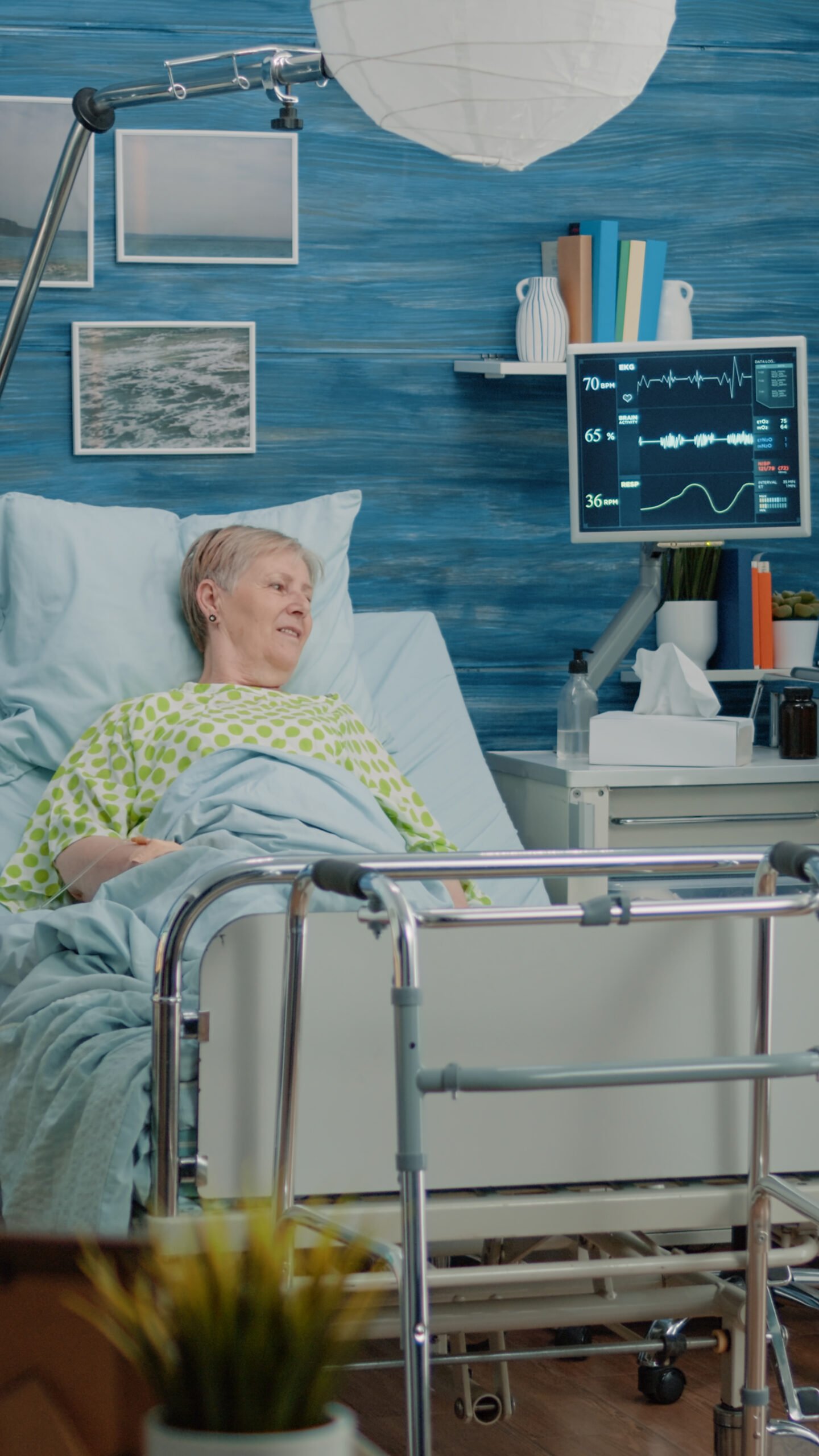
The first step in teaching home care is to determine the physical environment. You need to convert a typical bedroom into an adequate recovery suite. First, clear away anything that would impede movement or equipment. Open floor space enables caregivers to move freely around the patient.

Creating a Safe Workspace

At Max Medical Equipment, the primary pillar of our training is safety. It is crucial to promptly educate your team on risk awareness. For instance, ensure that all electrical cords are intact and without loose connections. Plenty of bright, glare-free light is also important for monitoring skin changes or reading labels.

The Role of Ergonomics

The health of the caregiver is as important as the health of the patient. Teaching appropriate body mechanics helps to prevent long-term strain and injury. Your feet should always be shoulder-width apart while assisting someone else to move. Also, never twist your torso while loading. Use even, steady movements to maintain stability for all parties.

  • Maintain a clean and organized working area.
  • Store commonly used supplies at waist level.
  • Make sure the way to the bathroom is always lit up.
  • Install nonslip rugs in all wet areas.
  • Designate an area around the medical bed as a “no-clutter” zone.
  • Mastering Medical Equipment Logistics

Having the right tools is crucial for any caregiver. At Max Medical Equipment, we guide families through the intimidating world of medical equipment. The first step to greatness is understanding your options.

Evaluating Your Bed Options

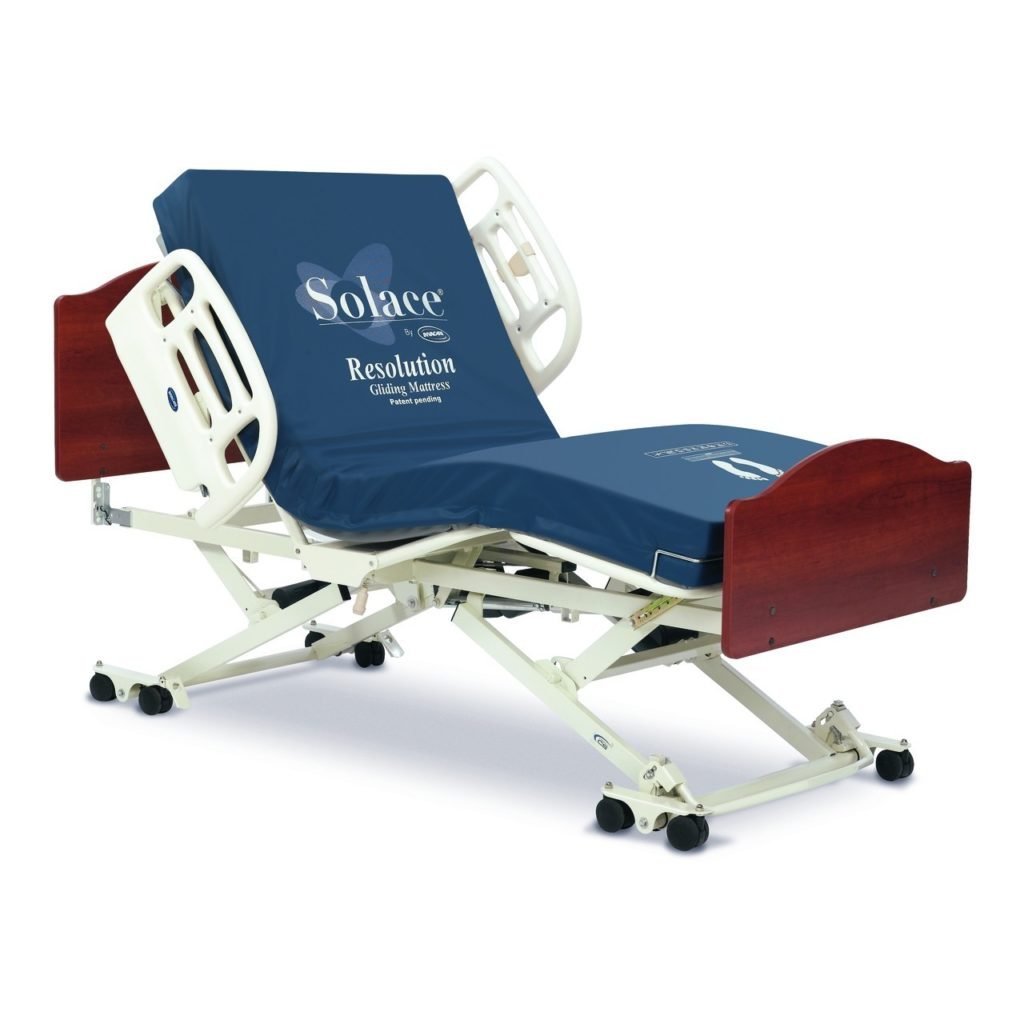
Selecting the correct bed is a key choice for long-term comfort. Most families initially investigate the hospital bed rental price in their area. There are different prices depending on the automation level and the rental time. In general, renting is a great way to trial high-end features without having to make a huge up-front investment.

When weighing hospital bed rental vs. purchase, think about the expected length of recovery. A flexible rental agreement is almost always best if you have short-term needs. Chronic conditions, on the other hand, could make buying more economical over a few years.

Ensuring Skin Integrity

Good bedding is more than just a place to sleep. It’s about avoiding complications such as pressure injuries. For most home setups, we highly encourage a hospital bed with a mattress rental package. Such specialized mattresses redistribute body weight with air or high-density foam. It is why they can help support skin health for an immobile patient.

Advanced Training for High-Need Situations

A few care situations call for additional force and explicit measurements. The emotional support you provide must also be tailored to the unique physical needs of your loved ones.

Handling Bariatric Care Requirements

Standard kits typically have weight limits that may be insufficient for heavier individuals. If you happen to be caring for a heavier person, safety is your number one priority. A bariatric hospital bed rental for its reinforced frame and greater surface area. These devices provide support during transfers and rest the user in a safe and secure position.

  • Ensure that all lifting devices are not overloaded.
  • Make sure the room doorway will accommodate bariatric frames.
  • Slide sheets with a heavy-duty design make repositioning even easier.
  • Promptly check that the motor for buoyancy of the bed is working well.
  • Educate multiple caregivers on assisted bariatric transfers.
  • The Importance of Turning Schedules

It is professional care that is consistent. You have to teach your home team the importance of a tight turning schedule. (Rotating the patient every 2 hours helps with this.) Keep a log of these movements with an old-school log or a timer. Additionally, lay pillows underneath them to help “float” heels and avoid friction between bony prominences.

Financial Management and Resource Allocation

Navigating a home care budget is a long-distance race, not a sprint. At Max Medical Equipment, we urge families to analyze the full cost of care.

Tracking Ongoing Expenses

In several months, the medical supplies would be astronomical. Maintain a meticulous log of all rental fees and consumables. You can gauge your monthly requirements by being aware of the precise hospital bed rental prices. Stop making educated guesses; use solid data to make smart financial decisions.

When to Pivot Your Strategy

As the patient’s condition changes, you may have different equipment needs. Evaluate hospital bed rental vs. purchase periodically to ascertain whether your current solution is still viable. Keep in mind that sometimes you need a better model to get the results. With rentals, you can make these transitions without the maintenance and ownership cost of obsolete equipment.

  • Check your lease every three months.
  • Inquire about “rent-to-own” programs for long-term needs.
  • Ask about discounts for bundling multiple pieces of equipment.
  • You also have to consider the cost of professional cleaning and maintenance.

Teaching Daily Living Support

Home care involves more than operating machines. It is about the human aspect of everyday life.

Hygiene and Dignity

Good hygiene is also crucial for mental health. Train your caregivers in how to do bed baths properly but respectfully. Preference for warm water and pre-moistened or pH-balanced wipes. Moreover, always keep the patient’s body covered except for the area being cleaned.

Nutrition and Hydration

A body that’s healing needs regular fuel and fluids. Keep a close eye on intake and track it in a daily care journal. Advise on the food consistency according to specialist advice if there is any swallowing issue in the patient. In the meantime, keep a fresh glass of water within arm’s reach of the bed.

  • Provide little meals throughout the day.
  • Spoon Buddies: Use adaptive utensils for increased independence.
  • Monitor fluid intake to avoid dehydration.
  • Post both a list of foods that are off-limits and any allergens.
  • Make them sit up straight when eating to avoid choking.

Sustaining the Caregiver

Providing excellent care is absolutely dependent on supporting caregivers. At Max Medical Equipment, we witness families driving themselves into the ground.

Preventing Burnout

You have to educate your team that taking breaks is not weak. Competitive inclusion into the health system is a key to guaranteeing top-notch care. Schedule “respite” hours in which someone else takes over the duties. In turn, the primary caregiver is returning back refreshed and reinvigorated.

Building a Support Network

Don’t try to do it all yourself. Contact local support groups or online forums. Emotionally, it can help a lot to share your experiences with people in the same boat. Also work with your equipment provider, who can help answer technical questions.

Conclusion

The journey of teaching professional home care is one of continuous improvement. Opting for a hospital bed with mattress rental gives you the best support for sleeping. Whether you require a standard setup or even a bariatric hospital bed rental, quality equipment is essential.

Here at Max Medical Equipment, we’re dedicated to helping your family do just that. So adhere to these protocols, and stay organized and safe at all times. You just need the right training to be able to deliver a level of care that can rival a clinical setting.
The Pelvic-Neutral Pivot: Improving Mobility and Comfort for Patients with Restricted Movement

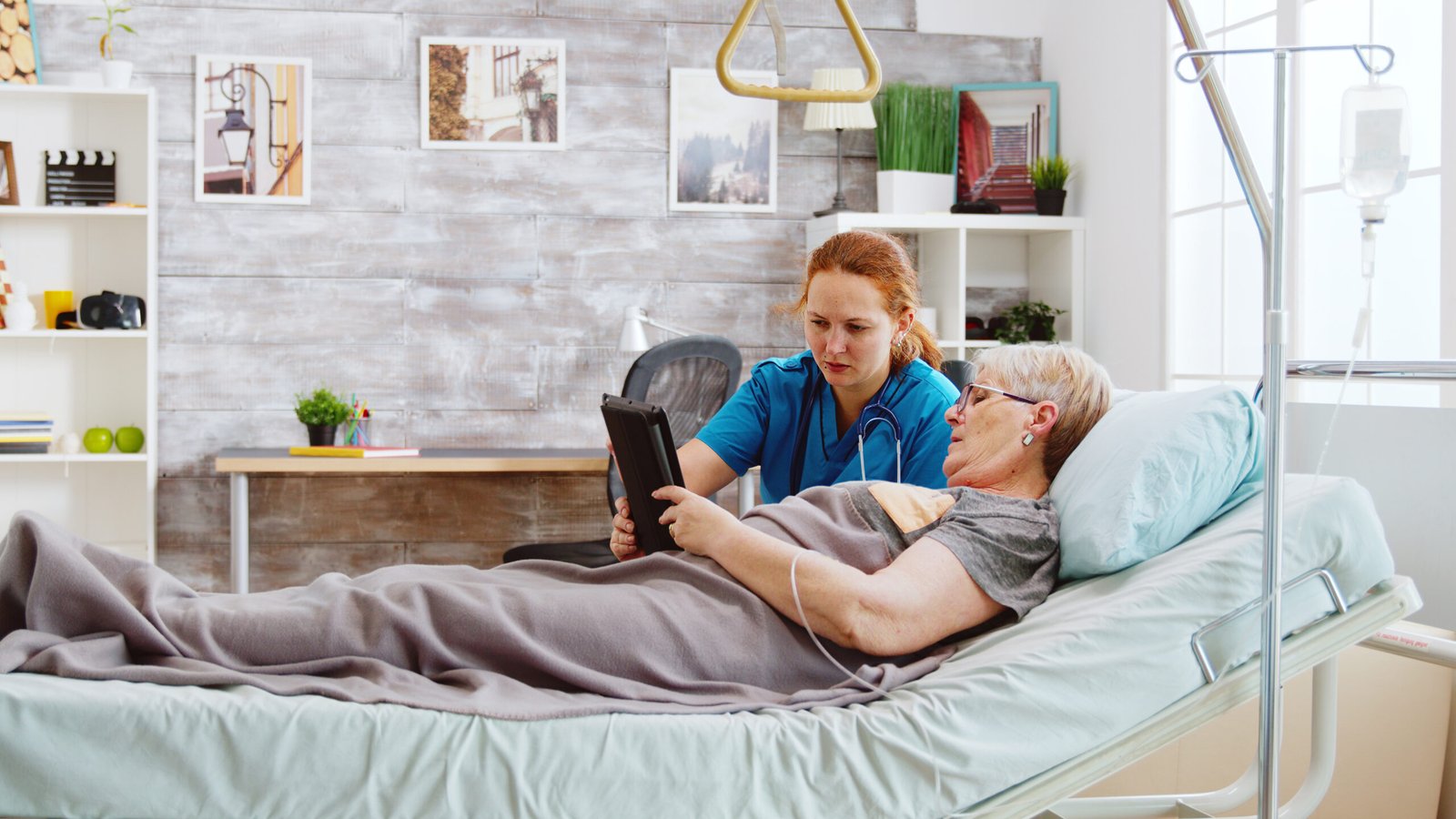
The basic need of humans is to be mobile. But physical constraints often transform those easy gestures into major undertakings. The “Pelvic-Neutral Pivot” may be a promising alternative for patients with impaired mobility to obtain optimal comfort. This method is based on proper skeletal alignment to minimize stress on the body.

Understanding the Pelvic-Neutral Concept

Everything starts at the core. It acts as the base for the entire spine. Too far forward or backward, and it sets up a domino effect of discomfort.

By keeping the pelvis level, we preserve the back’s natural curvature. This position may help distribute the weight better. As such, it may even help prevent bedsores for sleep-ridden people.

The Role of Spinal Alignment

Support is everything when it comes to the health of your spine. When the pelvis is out of alignment, the back muscles are forced to overcompensate. This in turn results over time in a permanent fatigue and stiffness.

  • Neutral tilt puts the musculoskeletal system in perfect equilibrium.
  • Core stability is enhanced in passive movements.
  • Hips and sacrum pressure points are reduced.

Keeping this posture is facilitated by a good-quality surface. Families commonly want ‘positioning solutions’ for the child. During your research of hospital beds with mattress rentals, search for adjustable sections. They make it possible to accurately position the pelvis.

For Caregivers, Why the ‘Pivot’ Is Vital

The “Pivot” Isn’t Just About the Patient. It also protects the caregiver. Improper handling of patients can lead to back injuries.

By relying on the pelvic centre, those who care for people are harnessing physics instead of brute force. This process does rotate the patient as one piece. Hence, it decreases shear force to the skin.

Safety During Transitions

The right climate is needed for safe passage. Crowded spaces also put you at risk for falls. At the same time, a dedicated intelligence bed controls needed height adjustments.

You might be wondering how much it costs to rent a hospital bed while you work on a temporary recovery. Professional-grade safety at short-term-lease prices, fundamentally. Prices typically change depending on the bed’s mechanical functions.

  • Casters are provided for locking the bed in place.
  • It offers the patient something to grasp.
  • Height adjustments save the caregiver’s lower back.
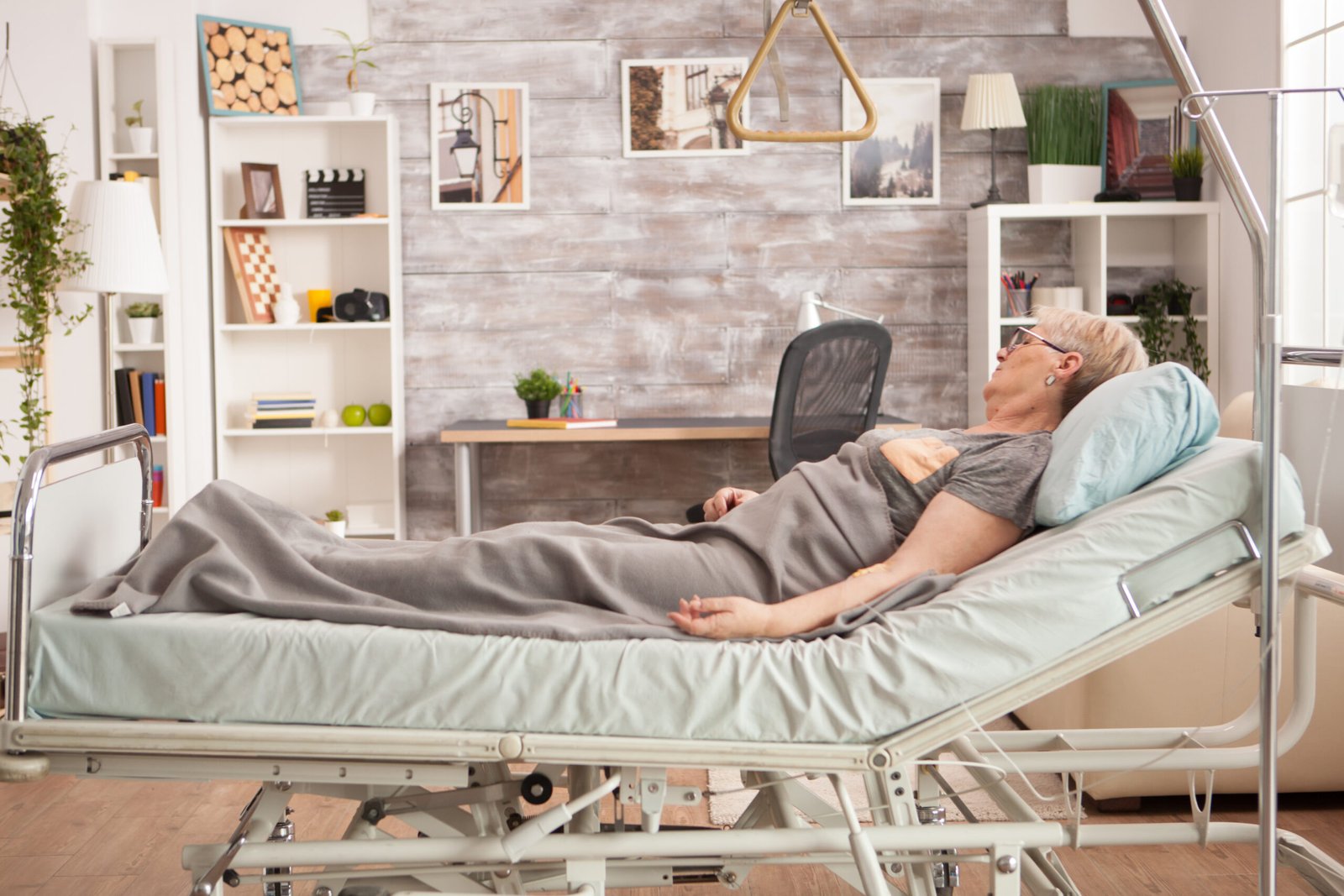
  • Trapeze bars may help with changing positions in beds.
  • Equipment to Support Proper Alignment

Some beds are better than others. Most home beds are not firm enough to support the hips. Rather, medical-condition surfaces are designed for orthopedic wellness.

Choosing Between Rental and Ownership

Choice depends on patient prognosis. Is the restriction of mobility forever or momentary? You need to examine the benefits of hospital bed rental vs. purchase closely.

The long-term cost of purchasing a bed can be significant. On the other hand, rentals offer flexibility as well as maintenance charges. The vast majority of providers offer tiered pricing tied to the model’s complexity.

Benefits of Specialized Mattresses

A mattress needs to be comfortable and have clinical support. Specifically, pressure-redistribution mattresses are important for pelvic health.

  • Foam layers adhere to the natural shape of the body.
  • Air cells can be pressure cycled to avoid excess pressure caused by skin breakdown.
  • Fluid-repellent covers keep you healthy.

Another version has firm edges to aid the patient in transitioning up from sitting to standing.

Yes! Many people opt for a hospital bed with a mattress rental package, which is easiest. These sets make sure the mattress and the frame function seamlessly together.

Methods of Pelvic-Neutral Pivot Immobilizations

Execution requires patience and synchronization. First, make sure the patient’s knees have a small bend. This position “unlocks” the pelvis. The next should put their hands around the patient’s hip bones.

Step-by-Step Movement

  • Position the patient’s head, shoulder, and hip.
  • Softly activate the patient’s core musculature.
  • Lean the patient’s weight over to the side of the turn.
  • Keep the back flat and lead with the hips.

In addition, the surroundings must be suitable for the patient’s dimensions. Standard gear may be too heavy or unsafe for big guys. In such cases, you may need a bariatric hospital bed rental. These beds come with broader frames and stronger motors so the pivoting is seamless.

Improving Joint Mobility

Decreased mobility typically leads to contractures of the joints. Moderate and natural rotation can help lubricate joints.

  • Hip turn would also likely be helped by controlled shifts.
  • Great alignment can reduce tension in the lower back.
  • Routine repositioning frequently improves circulation.
  • When movement is secure, the sense of psychological comfort goes up.

Financial Considerations for Home Care

Home care and budgeting are familiar worries for many households. Medical equipment can be expensive. Thus, it becomes important to know the hospital bed rental cost for planning purposes.

Most rental agreements are monthly. This enables families to do things like ramp up their care level as the patient’s needs change. They’re also partially covered by many insurance plans.

Making the Right Investment

If a patient will need the bed for longer than six months, the math becomes different. You need to evaluate hospital bed rental vs. purchase charges for one year. In the long run, it might be cheaper to own the equipment. But that buyer must take care of everything.

Support for Higher Weight Capacities

Safety must always come first. There are weight limits on regular beds. Beyond these limits, the patient is at risk, and the machine becomes unserviceable.

If the patient is overweight, a bariatric hospital bed rental can offer the weight capacity needed to accommodate large individuals. These models tend to have wider decks for improved turning. If you’re unable to access any extra space, it’s going to be difficult to execute the pelvic-neutral pivot correctly.

  • Heavy-duty frames prevent sagging.
  • A strong motor can load too high in jerk, etc.
  • Braudel: Wide flat sides mean more stable side-to-side rolling.

“The patient’s not afraid of falling so much. Benevolent supervisory control enhanced reduces the fear of falling in.”

Long-term Comfort and Wellness

Enhancing the quality of life is the aim of any mobility technology. It’s more than just a move: the pelvic-neutral pivot. It is a way of caring for the body that focuses on the body’s ability to heal itself.

Consistency is Key

It is advised to do this once daily, if not more, for caretakers. Better to make small, regular adjustments rather than infrequent, lurching changes. The patient will grow more secure in walking over time.

Additionally, the input from the patient is critical. How do they feel pressure? Ask them. Position the bed’s sections to help locate the “sweet spot” for their pelvis.

  • Observe the patient’s verbal hints.
  • Notice expressions or tension in their face.
  • Write down what positions are most comfortable for you.
  • Consult a PT for personalized tips.

Conclusion

Learning a pelvic-neutral pivot can be life-altering for caregivers. Also, it creates a safer environment and, I suppose, eventually can lead to better physical results. Use the correct tools and methods, and you’re laying the groundwork for healing.

Whether temporary (like a rental) or permanent, look for alignment and support. By making this proactive decision, the limitation of movement does not equal a limited life.

21February 2026

Straighten & Strengthen: The Scapular Retraction Drill for Wheelchair Users’ Upper Back Relief

Upper back pain is one of the biggest complaints wheelchair users have. Hours spent seated, pushing, and leaning can lead to rounded shoulders, neck strain, and ongoing discomfort. The good news? Scapular Retraction Drill This easy routine can solve some of the posture issues you have, take pain down, and increase your day-to-day range of motion—all without any complicated tools.

Why You’re in Pain: Upper Back Pressure for Wheelchair Users

Sitting can cause posture muscles to atrophy and pull your shoulders toward the front of your body. Over time, this can cause muscle imbalances and overuse.

Common Causes

  • Slouched sitting posture
  • Weak upper back muscles
  • Poor wheelchair seat support
  • Repetitive pushing motions
  • Inadequate stretching or movement breaks

What is scapular retraction?

In this exercise, you are guiding the shoulder blades back by using the postural muscles very gently. It also works your upper back, improves alignment, and loosens you up.

Key Benefits

  • Improves seated posture
  • Reduces neck and shoulder pain
  • Strengthens upper back muscles
  • Enhances breathing and chest expansion
  • Helps prevent long-term spinal issues

How to Do It Right: A Step-by-Step Guide

This is something you can do in a wheeled chair, or, my preference, a stable chair.

Basic Technique

Sit upright with feet supported.

  • Body Your body should be relaxed, shoulders down and chin level.
  • Gently pull shoulder blades together.
  • Hold for 5–10 seconds.
  • Lift and slowly lower; do 10 reps.

Tips for Better Results

  • Avoid shrugging shoulders upward.
  • Keep movements slow and controlled.
  • Breathe normally during each hold.
  • Do 2–3 sets per day.
Adding Resistance for Progress

You can go harder as you warm up.

Options

  • Wrap resistance bands around an anchor point.
  • Try light hand weights.
  • Add posture reminder straps.
  • Seek advice from a physiotherapist about what to do.
Everyday Habits for Better Posture

Exercises work best when combined with healthy sitting habits.

Helpful Adjustments

  • Lumbar cushions or posture supports may also be helpful.
  • The height of the backrest on the wheelchair is adjusted.
  • Take stretch breaks every hour.
  • Strengthen core muscles.
  • Maintain proper armrest height.
When to Be Careful

As with all exercises, if you have had recent surgery, have moderate-to-severe pain in a joint or the spine, or have a known spinal issue, consult your medical professional. Start light; stop if it causes more pain.

Conclusion

The scapular retraction exercise can be a quick and easy way to improve posture for people that spend time in wheelchairs, as well as relieve upper back strain. With regular practice, along with sufficient seating and movement when you feel the need to move, you can reduce pain, feel more comfortable, and experience improved medical equipment provision throughout the day.

20February 2026

The Lateral Rotation Protocol: Using Scheduled Repositioning to Prevent Pressure Ulcers and Skin Breakdown

The bed itself is the most dangerous thing for a patient lying on it. If a person sits or lies in the same position for too long, consistent pressure on bony prominences, such as hips, tailbone and heels, will limit blood flow to the skin and result in death of skin cells quickly. This is the start of a pressure ulcer (bedsore), an insidious complication that can end in serious infection and lengthy hospitalization.

To prevent these types of injury, the lateral rotation protocol is applied as the gold standard. But you can’t do them safely or well on a regular mattress. If you are bringing a patient home today, make sure that the same day delivery medical bed in GTA service will be taking care of their skin from hour one.

What is the lateral rotation manoeuvre?

The Lateral Rotation Protocol involves a programmed method of placing the patient on one side to prevent anyone part of their anatomy from being fully weight bearing for greater than two hours at any time.

The 30-Degree Tilt Rule

Some clinical research indicates that the “30-degree lateral” position is best for offloading pressure from the sacrum (coccyx) and trochanter. By rotating the patient between a left-tilt, supine and right-tilt position, you constantly keep capillary blood circulating in the skin.

Articulating Bed Frames and Their Role

” That is, a medical bed of high quality will do “auto-contouring.” This one elevates the knee slightly with the head while a patient is elevated head first and avoids slipping down. Sliding generates “shear” — a mechanical force that separates and tears the delicate layers of the skin—the leading factor in causing Stage II pressure ulcers.

Why Same Day Delivery has become popular among GTA Caregivers

With a discharge from a hospital in Toronto, Mississauga, or Brampton, such as the current anticipated rushed and premature discharges during this surge of COVID-19, their skin is already vulnerable since they have barely been mobilizing during their stay in hospital. You are not in a 48-hour “grace period” for gear.

  • Immediate Intervention: Need a same-day delivery medical bed in the GTA area! Upon your loved one entering the home, they are immediately placed on a therapeutic surface.
  • Pressure-Redistribution Mats: Conventional mats retain heat and sweat. Medical-quality “Group 1” and “Group 2” mattresses are air delivered with the bed to allow skin to remain dry and cool.

Less Caregiver Stress: Ramsay turning a patient manual on a regular bed is one of the most common causes of back injuries in home caregivers. A medical bed is adjustable in height, to twist at waist level, not to compromise your health.

Essential Features for Skin Protection

If you’re in the market to rent or buy, make sure your medical bed has these skin-saving features:

  • High-Density Foam or Low Air Loss Mattresses:  Weight is spread over a larger area.
  • Electronic Controls Trendelenburg: Provides enhanced tilting for improved circulation and fluid drainage.
  • Built-in Side Rails: Offer a steady handhold for the patient when getting in or out of bed if they have limited movement.
  • Emergency Battery Back-up: To be used in the event of a power outage to continue adjusting patient to help prevent pressure from building up for an extended period.

Quality Treatment Without Breaking The Bank

We know the cost of home care equipment can be a lot while preparing for one of life’s more unpleasant experiences. We are working hard to make premium technology accessible to everyone in the region. In all reality, our efficient logistics enable us to provide the lowest hospital bed price in Richmond Hill, GTA, and come with top-shelf safety with an affordable price.

3 Tips for an Effective Home Rotation Schedule

  • Utilize a Turning Clock: Place a visual reminder by the bed and mark off which side the patient was last turned toward.
  • Check Skin Daily: Do the ‘Blanch ‘Test’—press on reddened skin; If it isn’t white (blanch) and then back to red, a pressure injury is beginning.
  • Maximize Nutrition: Protein and hydration are essential for skin to heal and remain strong. Consult a dietitian as well as your repositioning protocol.

Conclusion: Proactive Care Starts Now

Pressure sores are easier to prevent than treat. By sticking to a strict Lateral Rotation Protocol and the use of a dedicated medical bed, you are doing the best preventative job you can.

Do not allow shipping delays to endanger the health of a loved one. Same-Day Delivery Medical Bed In GTA The GTA’s Best Option For Same-Day Hospital Bed Delivery Service With same-day delivery medical bed in GTA services, you can have the hospital-grade setup that you need today.

19February 2026

The Day I Stopped Struggling: How Admitting I Needed Help Saved My Home—and My Health

I figured I could just deal with it on my own.’ It feels noble to care for a loved one at home. But it soon wears thin, becoming an endurance race. My back ached constantly. My sleep vanished. And I watched my living room turn from a sanctuary into a source of stress.

I discovered this firsthand when I finally examined our setup. I saw that our ordinary furniture was getting in the way. It wasn’t a defeat to acknowledge I needed professional gear. It was actually the best decision I’ve made for our physical and mental health.

Breaking Point in the Home Care Industry

For months I hauled and wrestled heavy pillows. I attempted to use a regular bed for recovery. It didn’t work. My husband was trying to sit up. I was unable to raise them then. We were both miserable.

Finally, I looked online for a rented hospital bed with a mattress. Just looking at the options produced a wave of relief. I mean, there’s a professional garment for something. It’s the space between clinical sterility and cozy comfort. 

Why Comfort Is Not a Luxury

Your sanity is guided by your physical comfort. You can’t sleep if you’re in pain. If you can’t rest, you can’t heal. Good support may help circulation. In addition, it reduces the skin shear seen with conventional mattresses.

Managing the Supply Chain of Medical Devices

At first I was concerned about it. Where on earth would I put an enormous bed? How much would it really cost us? I had to do some hospital bed rental vs. purchase analysis to decide what was in our budget.

Purchasing a bed felt permanent and costly. Conversely, renting offered flexibility. We didn’t realize how long we would need the additional help. So a month-to-month lease seemed to be the savvier choice.

Understanding the Financial Impact

Home care budgeting is hard. Long-term costs have to be weighed against immediate needs. I researched for hours the average cost of renting a hospital bed in my neighbourhood.

I discovered a number of things that affect the price:

  • The exact bed frame model.
  • The duration of the lease.
  • Delivery and setup fees.
  • Maintenance or repair coverage.

The kind of specialty mattress provided.

Selecting the Best Bed for You

All beds are not created equally. Some are limited to basic height adjustments. Some of them provide more advanced position support for respiration. For some families, though, safety calls for the heavy-duty model.

We investigated a bariatric hospital bed rental for a family member once. Those beds offer wider frames. They provide higher weight capacities. Hence, they maintain the feeling of confidence and security for that occupant.

Key Features to Look For

As you browse, though, don’t just focus on the price tag. Look at the functionality. A decent bed should deliver for the patient and those taking care of him or her.

  • Electric controls allow the user to adjust the bed to their preferred position.
  • Trendelenburg Position: This is useful for clinical requirements.
  • Side Rails: These stop your toddler from falling out during the night.
  • Caster Wheels: These help to keep the bed secure and locked in place.
  • Wipe-Clean Surfaces: With hygiene being everything in the household.

Best for permanent use

It felt safer to rent. When the bed broke, the company repaired it. If we didn’t need it anymore, they took it away. That took a huge weight off my shoulder.

The True Toll on the Health of Caregivers

The person standing at the bedside is one we frequently overlook. Caregiving is physical work. I was on the road to a major back injury. But the rental bed’s height adjustment changed everything.

No longer did I have to crouch down. I made the bed waist-high for feedings. Later, I had it down for safe transfers. It was this fairly mechanical adjustment that saved my back.

  • Benefits for the Caregiver
  • The caregiver benefits from a reduced risk of muscle strain.
  • Sleep well while the patient is safe.
  • The patient has more energy to provide emotional support.
  • Lower levels of daily burnout.
  • The execution of day-to-day projects feels more secure.

Hidden Costs and Considerations

Remember to carefully review the details when calculating the cost of renting a hospital bed. The “extras” are extra at some companies. For example, a simple frame may not be the same special surface as you require.

I demanded the hospital bed and pad rental package. This made the mattress specifically tailored for that frame. And it came with pressure-redistribution features built-in. This may help maintain skin integrity for lengthy durations.

Items Often Overlooked

  • Overbed Tables: These make dining a lot easier.
  • Sextourage Bars: These allow users to move into a new position.
  • Additional Sheets: Hospital mattresses are frequently a special size.
  • Battery Backups: They are important in case of power cuts.

Scaling Up for Specific Requirements

Occasionally, standard sizes may not be sufficient. For individuals who are larger in stature, the primary concern is safety. A Drop Arm bedpan has the required deck width for use with a bariatric hospital bed rental. It doesn’t make the wearer feel confined or stifled.

Beds High-low beds are even made with heavy-duty motors. They accept more weight without putting extra strain on the mechanics. This eliminates the need for equipment to fail when it’s most important. Consistency is something you should pay for in a home care situation.

Preparation for Success at Home

Once you have chosen a provider, please prepare your space accordingly. Ensure that you have a designated area for the delivery team. Make sure there’s a power outlet around you that you can plug into the wall. Above all, ensure the room feels like a bedroom, not a ward.

Sprinkle in a few personal items around the medical gear. Use colourful blankets or photographs. This tones down the hospital vibe of the bed. It adds to a sense of growing normality around the house.

  • Preparation Checklist
  • Measure the doorway widths.
  • Declutter rugs that could lead to falls.
  • Inspect the light in the room.
  • Create a “care station” for supplies in close proximity.

Finding a Better Path Forward

I used to think that “doing it all” meant doing it the difficult way. I was wrong. “Real strength is knowing when to change,” he has said. Professional equipment saved my home life.

My stress levels dropped significantly. My loved one gained more independence. In other words, the bed was a tool of freedom, not one of decline. It afforded us the time to be with each other rather than moving logistics.

Final Thoughts on the Journey

Do not wait until you are hurt to ask for help. Consider the tools at your disposal. Whether you’re on the mend for the short term or making a full transition, adjustment starts with rest and comfort. It is an investment in the well-being of all parties.

Acknowledging that I needed help was the first step toward a healthier home. Choosing a rental proved to be an ideal solution for our lifestyle. We spared our backs and our sanity. If you are overwhelmed at home, please explore your options today. The burden doesn’t have to be only yours.

17February 2026

Getting a Good Night’s Sleep: The Difference a Powered Bed Makes

When we think about what constitutes a good night’s sleep, many of us imagine high-thread-count sheets or a room that is quiet and dark—an ideal environment for qualities such as ample slow-wave activity in the brain so restorative that it amounts to a nightly mini-brain injury. But for the recently operated upon or the chronically ill, sleep is more than a luxury; it’s the biological wheelhouse for healing. A regular flat mattress, no matter how soft, does not provide the kind of mechanical support that can prevent pain and promote deep, restorative sleep.

Moving to a powered medical bed at home can be life-changing. For those who are being discharged with a high level of intensity, such requirements would be minimal, but families who have no warning or notice will at least want to ensure the first night back home is comfortable, safe, and—hopefully—restful.

Ergonomic Support: Why “Flat”? Isn’t Always Best

It is bad for a lot of patients to sleep 100% flat. A powered medical bed can provide micro-adjustments that are just not possible using a regular bed:

  • Respiratory/Lifesavers For people who suffer from COPD, sleep apnea, or congestive heart failure, keeping airways free of obstruction is essential.
  • Circulation: Raising the legs above the heart can be beneficial in helping reduce ”edema” (swelling) in the lower extremities and improves blood flow back to the heart.

The Zero-Gravity: Elevating the head and feet can simulate that weightless-like sleep. This position alleviates stress on your back, shoulders, and neck, making you feel lighter while relieving lower back pain. The Full Body Massage Mode: Head and foot massage with timer. Wall hugger design, 6″ wall clearance, overall length of the bed is 75″, sleek wireless remote, two programmable positions, Twin XL 37.5″x79″ each, one-piece King.

Independence and Psychological Well-Being

Your sleep depends on the degree of stress. The anxiety of having to call a caregiver just to move a few inches can keep patients awake for hours.

  • Autonomy Unit: A simple remote can help patients get to their own “comfort sweet spot” for reading, eating, and sleeping without feeling like a burden.
  • Lower “Exit Anxiety”: Many premium beds feature under-bed illumination and ultra-low height positioning, which makes getting up out of bed to take a midnight trip to the bathroom less challenging, so you are more relaxed going into sleep.

Putting Money in Sleep: The Cost of Pricelessness

While the long-term advantages are evident, families may question the initial investment. On the whole, the cost of a medical bed can depend on how automated it is; fully electric beds with “Hi-Lo” height adjustment are generally in the range of $1,200 to $4,000, or more if you’re looking at bariatric or ICU-grade models. But when you consider not losing work to caregiver-produced back injuries and expensive pressure sore treatments, the bed usually pays for itself in the first year of care.

SOLUTION 1 – The “Sleep Crisis” and the Need for Same-Day Delivery

No hospital discharge is a gentle one. Frequently, you are told at 11:00 in the morning that your loved one is coming home at 4:00 PM.” If the home isn’t prepared, that first night may be spent on a couch or an unsafe standard mattress, causing immediate pain and hindering recovery.

Selecting a supplier that provides a same-day delivery medical bed is:

  • Smooth Move: The bed is installed and tested by an expert prior to the patient’s arrival.
  • Safety from Day One: Side rails and fall protection are included from the outset.
  • Caregiver Relief: You’re not jockeying furniture while keeping track of pills and care instructions.

Conclusion: Transforming the Bedroom into a Healing Enclave

More than just holding a mattress, a powered med bed is like your personal mechanical assistant 24/7 to promote good circulation, facilitate better breathing, and maintain the health of skin. When you go for a clinical-grade setup, you’re not really buying furniture—you’re investing in the type of sleep that leads to rest and recovery. If your residence does not have the best possible rest already, peruse asme-day delivery medical bed now and begin the next chapter of healing on a firm, comfortable footing.

15February 2026

Affordable Home Care: How to Navigate Hospital Bed Rental Costs

The return home of a loved one from the hospital is a milestone in recovery, but it frequently coincides with an urgent need for specialized equipment. The medical bed is the most essential piece of equipment in a safe home care environment, but they can be expensive to purchase new—anywhere from one thousand five hundred dollars ($1,500) or higher.

The answer, for many families in Ontario, is a flexible rental. Knowing what affects the cost of renting a hospital bed, you can provide your loved one with premium comfort without the need to empty your household bank account.

Analyze Questions: Cost of the Hospital Bed Rental

  • In 2026, the cost of renting a hospital bed in Toronto and the GTA will be more clear than ever. Costs are usually determined by the functionality of the bed and its weight capacity.
  • Typical Full-Electric Beds: They are available through most providers at a price of $140–$160 per month. With motorized adjustability controls, these beds are ideal for regular rehab.
  • High-Price & “Hi-Lo” Beds: “Ultra-low” beds drop to only inches from the floor for patients who are at high risk for falls. Rent for such special units usually runs from $250 to $350 a month.
  • Bariatric Choices: Weight-capacity beds (up to 600 pounds) entail reinforced frames and heavy-duty motors, generally costing between $300 and $600 a month.

What Comes with Your Rental?

It’s also crucial to consider the “all-in” value whenever comparing prices. While most of Toronto’s reputable suppliers won’t just rent you a metal frame, they’ll offer up a complete recovery station. A standard package usually includes:

  • Full-Electric Frame: With a handheld remote for independent control.
  • a sanitized therapeutic mattress: The mattress is typically 8″-10″ thick and features a waterproof antibacterial cover.
  • Side safety rails: Perfect for preventing falling and assisting sitting up.

The “Urgency” Factor

You often do not know that you need a bed until 24 hours before being discharged from a hospital. In those cases, the medical bed same-day delivery cost—generally $120 to $175 per return trip—is probably worth it. This one-time fee generally includes professional delivery, expert in-home setup, caregiver training, and the eventual pickup when the rental term is up.

Why Renting Often Beats Buying

Purchasing is a practical investment for permanent chronic care, but renting makes more financial sense for several reasons:

  • No Maintenance Costs If a motor or remote goes down, the rental company replaces it at no charge.
  • ADP Funding & Private Insurance: Many private insurance plans cover monthly rentals. In Ontario, the Assistive Devices Program (ADP) may even fund long-term needs, and many rental companies can help you with that paperwork.
  • Hygiene Assurance: Professional deep-cleaning with hospital-grade disinfectant ensures that every piece of equipment is 100% sterile.

Try Before You Buy: A lot of GTA service providers have a rent-to-own credit available, so if you require the customization permanently, a portion of what you have paid monthly can be put toward the purchase.

Conclusion

You shouldn’t have to stress about figuring out home care costs. With an affordable hospital bed rental per month from competitive maxmedicalequipment.ca You have access to a life-changing machine with little upfront cost. Consider your family’s rental short-term transport needs as one of the many solutions available for easing your burden during a time when you should be focusing on the task at hand and not wasting time thinking about how to get there.

13February 2026

Making Your Loved One Comfortable: A Guide to Hospital Bed Rentals and Pricing

When a loved one is coming from a hospital and going home, we want them to be kept safe while not sacrificing the comfort of home. At the core of this transformation is the hospital bed—an instrument specifically calibrated to expedite recovery, protect against harm, and furnish ergonomic reinforcement that ordinary mattresses can’t.

But the logistics of home healthcare can be overwhelming. Knowing the cost of a hospital bed for rent and what types are provided in the GTA will open up the possibilities to help make a patient and caregiver’s life stress-free.

When Renting Makes More Sense Than Buying

While you may consider purchasing a hospital bed, many families in Toronto discover that renting offers a level of flexibility and affordability that owning mattress sets simply cannot match.


    • Minimal Upfront Investment: A used high-end hospital bed can run anywhere from $1,500 to more than $5,000. Rent and the same tech are available to you for a small monthly fee.

    • Maintenance & Support Full maintenance is generally part of permanent rental contracts. And if a motor malfunctions or a remote breaks, the provider will fix or replace the unit at no additional cost.

    • Flexible Schedules: The amount of time that it takes to recover is unknown. Rentals can be extended or terminated depending on the patient’s progress, whether you need the bed for four weeks or four months.

    • Hygiene and Sanitation: The professional renting services follow a strict hygienic process, so you can be 100% confident that every bed is sterilized and safe to use.

The Cost of Renting a Hospital Bed Broken Down

Rent a Hospital Bed (Basic) in Toronto in Nov 2026. The price is based on the day’s premises and can be quoted for multiple days if you ask.

verage Monthly Rates in the GTA

Bed Type Average Monthly Price Key Features
Standard Full-Electric $150 – $180 Motorized head, foot, and height adjustments.
Super-Low (Hi-Lo) Bed $200 – $300 Lowers to within inches of the floor for fall prevention.
Bariatric Bed $300 – $600 Reinforced frames for higher weight capacities (up to 600 lbs).

Heavy-duty frame supports higher weights (600 pounds max capacity).

Additional Costs to Consider

Additionally, most providers have a one-time fee for delivery and setup on top of the base monthly rate. For those in an emergency, the same-day delivery price for a medical bed is usually between $120 and $160, including professional installation, a safety tutorial on the caregiver’s end, and eventual pick-up of the equipment.

Essential Features for Maximum Comfort

Here are the must-have features to have in your rental package that will benefit a patient’s physical, mental, and emotional health:


    • Among the subjects being treated are pressure sores caused by a standard mattress. Make sure your rental includes a pressure-redistribution foam mattress or an alternating pressure pump system for long-term use.

    • Security Side Rails are essential for preventing accidental falls and providing patients with a handhold for movement or adjustment.

    • Battery Backup: An important option for 2026 to be able to use the bed in case of a power outage so that the user isn’t pinned to just one posture.

Conclusion 

Making the person you love comfortable is finding a way to bridge hospital-level safety and being home. With an affordable hospital bed rental price, you can do just that and make certain your recovery budget is covered. With local Toronto professionals providing quick installation and expert support, home care has never been easier.

12February 2026

Stop the Sliding: Simple Tips to Keep Patients Comfortable in an Adjustable Bed

Bed

Adjustable beds have been created to relieve discomfort and circulation, with some even claiming the ability to speed up recovery—but one problem caregivers often face is patient migrating. Patients lying on an incline will “scooch” or creep down the bed as well—due to the pull of gravity (whether their head has been lifted for breathing assistance or they wind up in a desired after-surgery position), often leading to discomfort, skin breakdown, and potential safety issues.

The good news? With a few tricks of the trade and some reusable gear—such as a secondhand medical bed—you can easily set up a safer, more comfortable recovery space at home in short order. Let’s dive into practical solutions that truly make a difference.

Why do patients slide down in adjustable beds?

When lifting up the head of an adjustable bed, gravity immediately causes the body to slide downwards. Unsupported, this can lead to:

  • This results in increased pressure on the lower back and coccyx.
  • Shear forces can cause the skin to break.
  • Poor posture and discomfort
  • Frequent repositioning needs
  • Higher risk of pressure sores

The only way to prevent it is to know what can trigger it.

Sleep on Your Side with a Supportive Mattress

Pressure-Relief and Anti-Slip Mattresses

Not all mattresses are made for adjustable beds. A high-quality medical mattress can:

  • Reduce friction and shearing.
  • Improve weight distribution.
  • Enhance spinal alignment.
  • Reduce head slips when inclined.

Foam and pressure relief mattresses are also particularly beneficial to patients who lie in bed for long periods.

Adjust the Bed Position Strategically

Use the knee gatch feature.

One of the most manageable ways to avoid these demonstrations is to use a knee gait. Raising the knees slightly:

  • Creates a natural “stop point”
  • Relieves lower back pressure
  • Improves comfort during upright positioning

Never elevate the head alone, but support the lower body.

Use Positioning Aids

A little addition can go a long way.

Helpful Support Tools

  • Wedge pillows
  • Non-slip mattress pads
  • Bed rails for stability
  • Transfer sheets for easy repositioning

These aids keep the user in line, so there is less need to continuously readjust.

Maintain Proper Bed Height

Raise the bed to a height that enables caregivers to listen to the patient\’s heart and lungs. Too low or too high may lead to a higher degree of strain during the position adjustment.

With gently used same-day medical bed delivery, families can have a ready-to-use and adjustable size-fitting bed with no long waits—all the more important post-hospitalization.

Ensure Proper Clothing and Bedding

Sometimes the slide isn’t about the bed—it’s about what you’re lying on.

Avoid:

  • Silky or slippery sheets
  • Loose bedding
  • Synthetic fabrics with low friction

Choose:

  • Cotton or breathable fabrics
  • Hospital bed fitted sheets
  • Tight, wrinkle-free bedding

Small material changes can largely cut down sliding.

Consider Professional Equipment Options

For families who want more premium comfort for their loved ones, the search is on, and luxury medical bed rental options can get you advanced positioning systems to help with reduced sliding and increased safety features that enhance recovery comfort.

Modern medical beds often include:

  • Auto-contour positioning
  • Trendelenburg and reverse Trendelenburg features
  • Advanced pressure redistribution systems

These elements are beneficial for patient safety and caregiver convenience.

Reposition Regularly

Even on the most up-to-date equipment, you will have to reposition regularly.

Repositioning Tips

  • Change every two hours, when possible.
  • Check skin integrity daily.
  • Monitor pressure points.
  • Before I can publicize Entertainment 16139, I must first set a precedent.

Regular maintenance helps keep it complication-free and easier on the skin.

The Importance of the Proper Bed for Immediate Access

Waiting several days for the right equipment during recuperation or hospital discharge can be painful for anyone. This is why quick same-day medical bed delivery makes all the difference for families needing them personally.

Quick installation ensures:

  • Faster recovery setup
  • Reduced caregiver stress
  • Better patient safety from day one
  • Better long-term comfort

The right bed when you need it can really make the difference in keeping sliding issues as non-problems.

9February 2026

Affordable Aging in Place: Why Buying Used Beats Hospital Bed Rentals

Aging in place is a beautiful declaration of independence and convenience. But the expenses of home health care can mount. One of the biggest issues for families in Vaughan is whether to become locked into a long-term rental or make the move permanent. Although renting may feel like the “default” option, in many cases purchasing a good used bed is more intelligent and budget-friendly long-term care for your loved one.

If you aim to maintain financial stability without jeopardizing your loved one’s safety, consider why used beds are the ideal choice for cost-effective aging in place.

The Costs Lurking Behind Long-Term Renting

At first it appears that you are getting a pretty good deal with the monthly rental fee. But for seniors who intend to live in their homes more than six months, the math quickly skews toward ownership.

  • The Breakeven Point: An all-electric rental costs between $150 and $400 per month in the GTA. 8-12 months, you’ll have paid the same as a certified pre-owned bed.
  • Recurring Delivery Fees: Many rental deals include “hidden” expenses such as delivery, setup, and end-of-contract pickup costs. When they buy used, they pay once, and they have the asset forever.
  • No “Dead Money”: When a rental is over, the money is gone. In case you own a secondhand bed, the possibility of reselling it is high, and most likely you will get back a large chunk of your initial money.

The Used Advantage: Hygiene and Personalization

Patients sometimes fret about the “used” aspect of medical equipment, but buying through a reputable medical dealer in Vaughan means that the equipment is put to work at a higher level of cleanliness than what could be said for many high-turnover rental fleets.

Certified Refurbishment

When you purchase a secondhand medical bed for seniors nearby, good local dealers conduct an extensive multi-point inspection. This includes:

  • Deep Sanitizing: Hospital-grade sanitization, which is above standard rental cleaning.
  • Mechanical Testing: Confirming that the motor, gears, and electronic components are in fine working order.
  • Brand New Mattress Options: While most families opt to purchase a used frame paired with a new mattress, don’t be afraid to choose an entirely new setup—you get the benefit of savings and 100% fresh hygiene.

Freedom to Modify

There are “look but don’t touch” rules for rentals. When the bed is yours, you can install permanent assist rails, overbed tables, and custom headboards that complement the decor of your room and make your equipment feel more like it belongs in the home.

Vaughan Direct Support: Owning the Facts

A leading worry about the purchase of used is “What if it breaks?’ Vaughan has its network of suppliers who take good care of what they’ve sold. Compared with purchasing from some random online shop, local dealers mean peace of mind.

You are purchasing a permanent asset, but you don’t have to wait weeks for it in the mail. Many local warehouses provide same-day medical bed delivery throughout Vaughan, so even if you decide to “own” your medical bed instead of renting, your purchase can be expedited just like a rental. “That’s key for families where you have an unexpected hospital discharge and you want a permanent solution in place before that person comes home.”

Conclusion: The Wiser Way to Comfort

“Aging in place” should be about dignity, not debt. Purchasing a certified pre-owned hospital bed saves you thousands of dollars over rental fees, allows you to customize your care environment, and provides an asset that holds its value. It is the best approach toward the economically responsible maintenance of your house to ensure that it becomes your safe haven—a skirmish-free zone—for decades.