
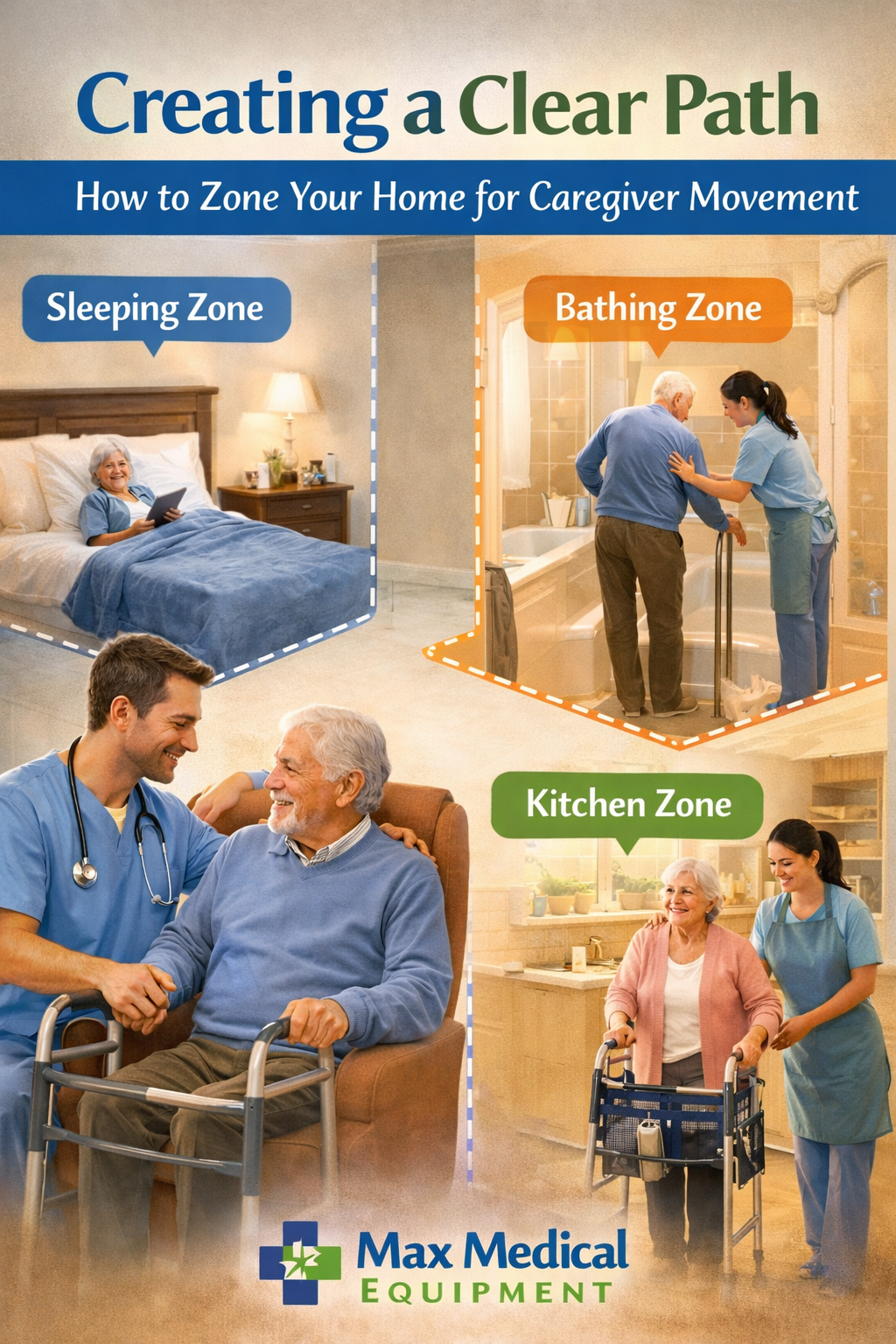
Providing efficient caregiving involves more than just a compassionate heart and patience. The end result is a physical environment that prioritizes mobility, safety, and prompt response. Homes are designed mostly for leisure, not therapeutic support. As such, you need to reevaluate your floor plan for the integration of medical machines and personnel. Zoning your home will make sure every square foot supports the recovery process. Planning minimizes the risk of injury for both the patient and the provider.
By Michael McCulloch / The Science of Space: Mapping the Care Zones
An effective home care setup consists of different areas designated for particular tasks. Your recovery room is like a multifunctional command centre. You have to create a physical barrier between the sleeping space and hygiene and supply areas. It keeps clutter from settling around the patient’s bed. It also lets caregivers act swiftly in an emergency.
Having clear pathways for movement is the most important design element in any medical floor plan. Different walking paths should be a minimum of 36 inches wide. This width easily accommodates wheelchairs and rolling medical carts. Instead of leaving furniture where it is, move it to the walls. This allows for patient transfers to take place in the centre of the room.
Optimizing the Primary Sleeping Zone
The bed is the main anchor point for all daily care. This comparison and consideration will usually be needed for any long-term equipment; thus, you may end up facing the hospital bed rental vs. purchase dilemma. With chronic conditions, purchasing a bed can seem like a long-term solution. However, at Max Medical Equipment Company, we offer hospital bed rental flexibility if the patient’s mobility needs change quickly.
- Position the bed away from tight corners to enable 360-degree access.
- Limit dust bunnies by avoiding area rugs that trip you up.
- Make sure power outlets for the bed motors are readily accessible.
- Place the bed next to a window for natural light and morale.
Behind the Financial Logistics of Equipment
Creating a work or professional care space is expensive! Some people find the upfront costs of medical furniture daunting. To establish a baseline, you may want to research the cost of renting hospital beds in your area. This charge usually includes delivery, installation, and maintenance.
Selecting the Right Bedding Package
Simply having a frame is usually insufficient for a quality care environment. The comfort of the mattress determines the patient’s comfort and skin health. This is why a hospital bed and mattress rental is the best approach. These packages make sure that the mattress dimensions fit perfectly to the frame. Proper fitment eliminates dangerous open spaces that could trap a patient.
- These will help relieve pressure on sensitive joints.
- Rental companies typically use waterproof, medical-grade covers on their mattresses.
- Pressure-redistribution foam is a standard option offered by most providers.
- If the patient’s needs change, you can easily swap out the mattress.
Accommodating Specialized Physical Needs
Not all patients’ physical needs fit standard zones. When patients need extra room, you have to rearrange the space. This is a bigger frame that gives more safety and comfort, so a bariatric hospital bed rental. These beds take up a bigger “footprint” in the recovery room. Consequently, you will need to clear excess furniture from the room to ensure that it is still livable.
- Prior to delivery, measure doorways for a wider bariatric frame.
- Check that the floor can support the added weight of heavy-duty gear.
- If it’s easy to pick up your bed and move it, put the bed close to the door so that you can transport it in and out easily.
- If the bed is extra-wide, use a heavy-duty patient lift.
Establishing Caregiver Workstations
They need a place to read medication labels and check records. Placing such items on the bed creates an unsanitary and untidy environment. Instead, establish a small desk or rolling cart near the entrance. This “command station” controls sensitive items accessible to the patient. This ensures that the caregiver always has everything they need at their disposal.
Lighting and Visibility: The Importance
Dark rooms pose fall hazards for everyone in the household. You should set up bright, task-oriented lighting close to the bed and the supply station. Dimmable lights are great for checks in the night so as not to disturb the patient. Additionally, motion-activated lights in the hallway illuminate a clear path to the bathroom.
- For better medical task visibility, use “cool white” bulbs.
- Put in a bell or intercom system for the patient.
- In the bathroom, put a nightlight by the toilet so you can find your way in the evening.
- Store a useful flashlight near the bed for power outages.
Weighing Long-Term Strategy Against Short-Term Needs
Every family eventually does a hospital bed rental vs. purchase cost analysis due to their prognosis. Renting is usually the best option for a three-month recovery period. It takes away the responsibility of storage after you don’t need the equipment anymore. But if care may last years, buying may be more economical. In other words, consider the total price spread over a 24-month span.
Hygiene and Waste Management Zones
Disposing of trash is key to preserving the cleanliness of your home. You will need to have designated areas for dirty linen and medical waste. This topical zone should be distal to the patient’s head so as not to degrade air quality. Use lids on the bins to contain odours and limit the spread of germs.
Streamlining the Bedside Routine
Dispatching the process efficiently at the bedside minimizes the time that a patient spends in discomfort. When you consider the cost of renting a hospital bed, confirm that the accessories are included. Some rentals have over-bed tables for easy mealtime management. These tables can, in turn, be rolled away when not needed to keep the path clear.
- Keep a “go-bag” of supplies close, unused, at the foot of the bed.
- Use drawer organizers to separate out bandages, gloves, and wipes.
- Install a hand sanitizer dispenser by the door; generally accessible.
- Stow the extra linens in a nearby closet to free up room space.
Safety Features for Bariatric Care
As larger equipment weighs more, you need to be extra vigilant about floor stability. Bariatric hospital bed rentals are much heavier than regular ones. If the care zone is on a second story, check your floor joists. Also keep the bed’s locking casters engaged at all times. This maintains the bed’s position during a patient transfer.
- Check the weight restrictions of any patient lift equipment used.
- Look for wide-base-behind-the-bed roadside tables for more solid support.
- Leave space on both sides of the caregiver to stand.
- Inspect the power cord for straining or any damage.
Managing the Sleeping Surface
The mattress is the most frequently used piece of gear in the room. Most beds with mattress rentals found in local hospitals will have a high-density foam core. This material provides support for the spine and helps guide the body into alignment while sleeping. If the patient is unable to get up, you will need to use an alternating pressure mattress. Such surfaces can assist circulation as they move airflow over the course of a day.
- If the manufacturer suggests it, rotate the mattress periodically.
- Inspect the cover daily, checking for tears or penetration of fluid.
- Use breathable sheets to regulate the patient’s temperature.
- Set the mattress height at the caregiver’s waist for easier cleaning.
Conclusion
Zoning your house for care is one step you can take to improve recovery. You make the patient and the caregiver safe by establishing clear pathways. The right gear, including bariatric frames and specialized mattresses, enables this work. Measure your space and make a plan that you stick to. A tidy home doesn’t just look prettier: it serves as an actual partner in healing.