
 30January 2026
Small Space, Big Care: Smart Hacks for Organizing Home Medical Supplies
- by Mike
- 0 Comments
Managing a recovery or a chronic condition at home is already a significant responsibility, but in close quarters such as an apartment or crowded house, it may feel like solving a logistical puzzle. When there’s no room for an extra square inch, clutter isn’t just unsightly—it makes the storage areas challenging to clean, presents safety risks, and can slow down vital care.
The key to a violence-free distress space isn’t more space; it’s better systems. The key is in inventory tracking, as you can easily convert cramped quarters into a sleek, professional-grade care station.
Making the Most of Your Layout for Safety and Movement
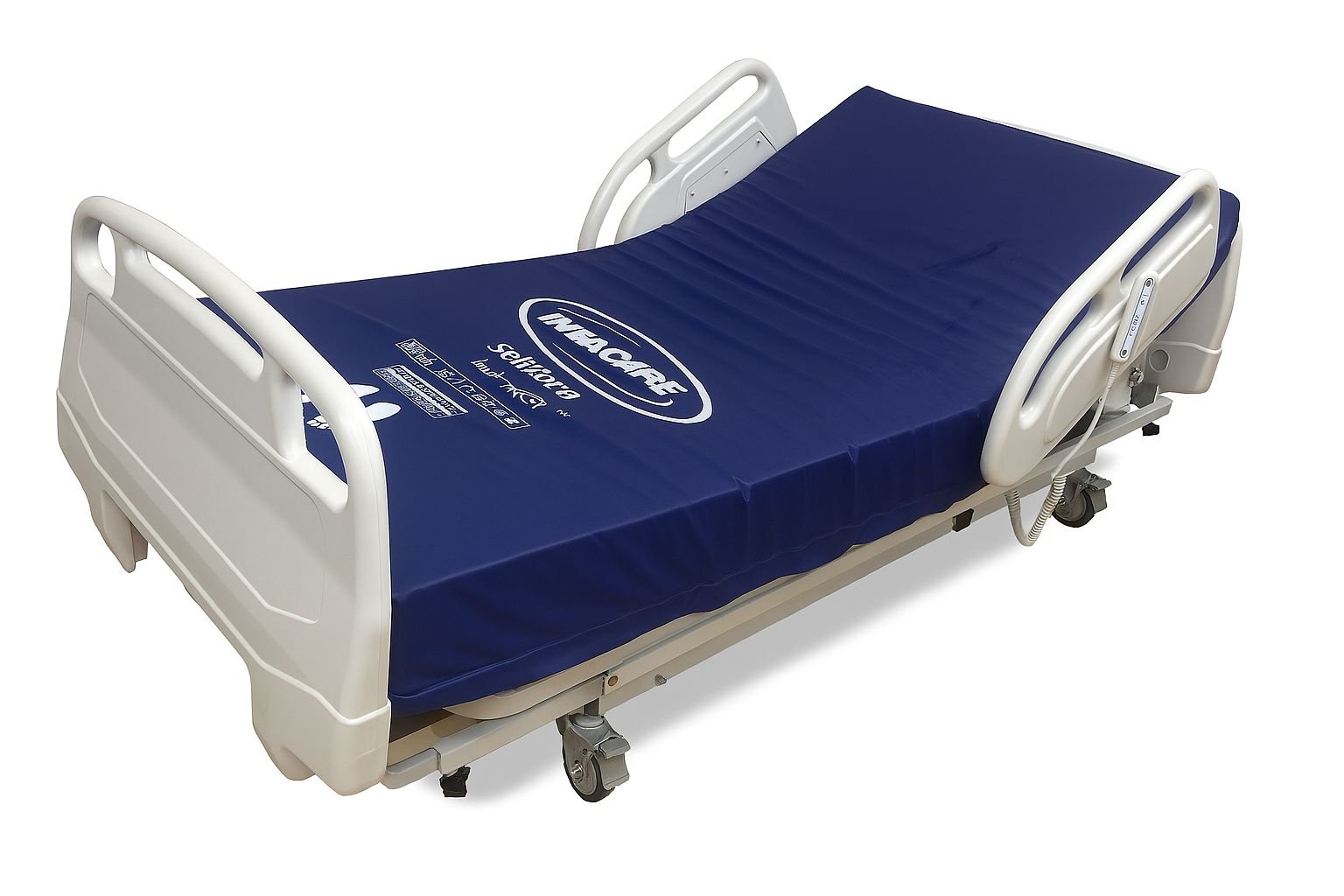
The focus of care in a small space is frequently the bed. If it’s a matter of temporary recovery, renting a lasting medical bed is an intelligent means to achieve hospital-grade functionality without the need for a permanent addition or a large investment in a full purchase.
Zoning Your Supplies
- Keep it all organized and zoned for frequency of use; put your items into three “zones”:
- Zone 1 (Close Reach): Things that you use throughout the day—meds, water, wipes.
- Zone 2 (Daily Use): Things you use once per day (wound care kits, BP monitor, hygiene items).
- Zone 3 (Backup/Bulky): Weekly use or as needed (linen backup, bulk gauze, PPE).
Vertical Storage: A Tight Space’s Best Friend
When the floor is cluttered with a bed and mobility aids, you have to look up.
- Over-the-Door Organizers: Not just for shoes. Clear pockets mean you know exactly where your syringes, bandages, and ointments are without digging through drawers.
- Rolling Triage Carts: A narrow, three-tiered rolling cart is the ultimate accessibility hack. It can be wedged in a corner at night and rolled right up to the bedside during treatments.
Wall-mounted bins: attach adhesive caddies to the wall beside the bed to keep essentials such as the remote control, tissue, pulse oximeter, and others.
Accessibility Hacks for the Bedside
It is important to keep the immediate area around the patient clear for safety. If you’ve recently installed a hospital bed at your home, even in the Greater Toronto Area, you understand the importance of precise movement around the bed frame.
The “Arm’s Reach” Rule
Remember that any life-saving equipment—oxygen concentrators, suction machines, etc.—mustn’t be affected by storage bins. Hang drainage bags (or attach small, organized pouches for accessibility) on the bed rails with “S” hooks if this is safe and allowed.
High-Tech Inventory Tracking
Nothing incites panic more than running out of a vital supply at 2 in the morning. “There isn’t room to store six months’ worth of stuff in a small space, so you are shopping or acquiring inventory just-in-time.
- The QR Code Trick: Put a QR code on the bin for a particular supply. This lets you link to your pharmacy’s reorder page and “scan and buy” when stock is low.
- Inventory Apps: You’ve got your basic app, like Sortly, or even a shared Google Keep list. And it permits all the
- Colour-Coded Expire Labels: These are tiny, neon dots for products that expire within 30 days. This way, you use the oldest stock (FIFO: First-In, First-Out).
Conclusion
Organizing medical supplies in a small space is about taking control back. By concentrating on a durable medical bed rental for easy storage, making use of vertical storage, and keeping up with inventory with digital tools, you’ll end up experiencing that soothing, efficient space—not one where you have to spend an hour every morning looking for bandages.