

Tag: caregiver safety tips

  • Home
  • Tag: caregiver safety tips
23February 2026

Ensuring Excellence: How to Teach Professional Home Care at Home

Giving professional-grade care at home is a great service. At Max Medical Equipment, we think that any family can learn and succeed in those basic skills! Creating a safe, healing environment doesn’t require a medical degree. But for that, you need a process—and professional resources.

This guide will help you balance hospital standards with home comfort. Your family will be safe, you’ll master the equipment you can afford, and we encourage long-term financial planning.

Establishing the Benchmark for Home-Based Treatment

The first step in teaching home care is to determine the physical environment. You need to convert a typical bedroom into an adequate recovery suite. First, clear away anything that would impede movement or equipment. Open floor space enables caregivers to move freely around the patient.

Creating a Safe Workspace

At Max Medical Equipment, the primary pillar of our training is safety. It is crucial to promptly educate your team on risk awareness. For instance, ensure that all electrical cords are intact and without loose connections. Plenty of bright, glare-free light is also important for monitoring skin changes or reading labels.

The Role of Ergonomics

The health of the caregiver is as important as the health of the patient. Teaching appropriate body mechanics helps to prevent long-term strain and injury. Your feet should always be shoulder-width apart while assisting someone else to move. Also, never twist your torso while loading. Use even, steady movements to maintain stability for all parties.

  • Maintain a clean and organized working area.
  • Store commonly used supplies at waist level.
  • Make sure the way to the bathroom is always lit up.
  • Install nonslip rugs in all wet areas.
  • Designate an area around the medical bed as a “no-clutter” zone.
  • Mastering Medical Equipment Logistics

Having the right tools is crucial for any caregiver. At Max Medical Equipment, we guide families through the intimidating world of medical equipment. The first step to greatness is understanding your options.

Evaluating Your Bed Options

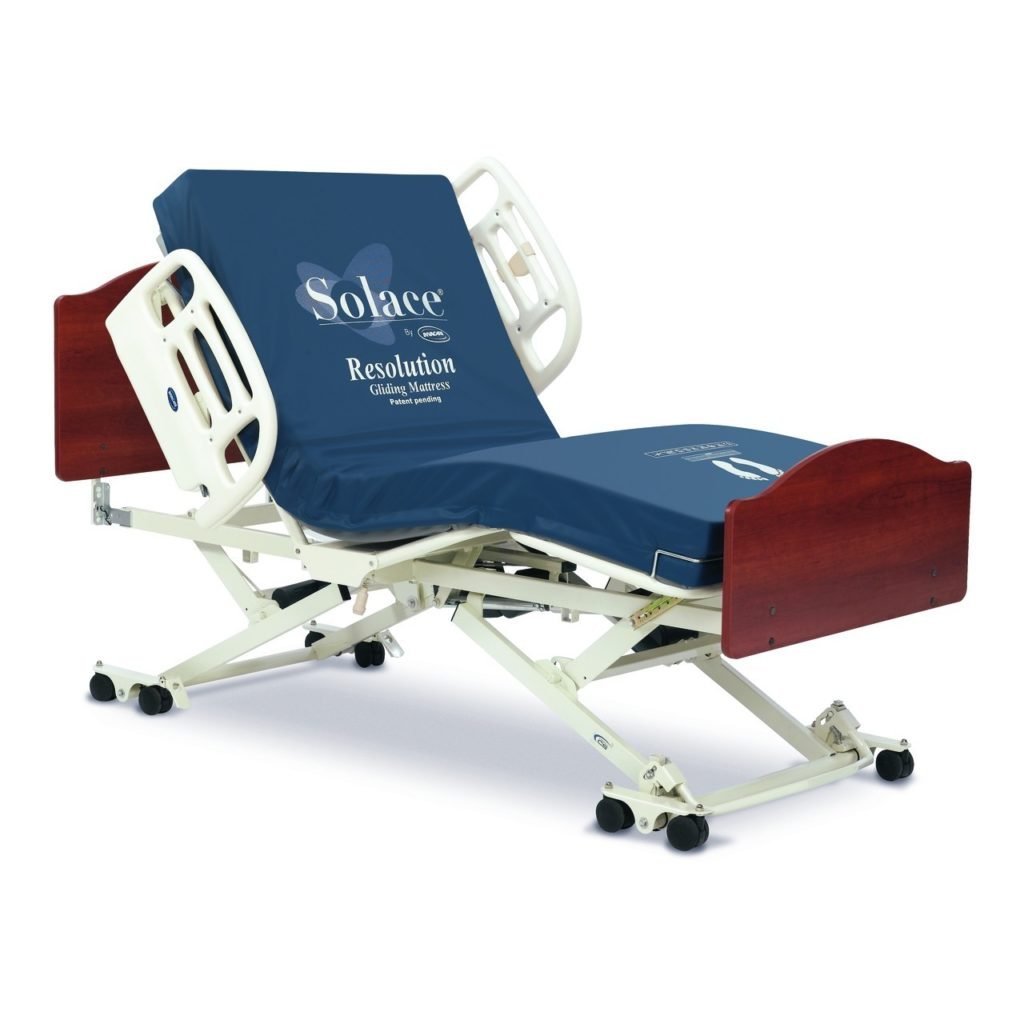
Selecting the correct bed is a key choice for long-term comfort. Most families initially investigate the hospital bed rental price in their area. There are different prices depending on the automation level and the rental time. In general, renting is a great way to trial high-end features without having to make a huge up-front investment.

When weighing hospital bed rental vs. purchase, think about the expected length of recovery. A flexible rental agreement is almost always best if you have short-term needs. Chronic conditions, on the other hand, could make buying more economical over a few years.

Ensuring Skin Integrity

Good bedding is more than just a place to sleep. It’s about avoiding complications such as pressure injuries. For most home setups, we highly encourage a hospital bed with a mattress rental package. Such specialized mattresses redistribute body weight with air or high-density foam. It is why they can help support skin health for an immobile patient.

Advanced Training for High-Need Situations

A few care situations call for additional force and explicit measurements. The emotional support you provide must also be tailored to the unique physical needs of your loved ones.

Handling Bariatric Care Requirements

Standard kits typically have weight limits that may be insufficient for heavier individuals. If you happen to be caring for a heavier person, safety is your number one priority. A bariatric hospital bed rental for its reinforced frame and greater surface area. These devices provide support during transfers and rest the user in a safe and secure position.

  • Ensure that all lifting devices are not overloaded.
  • Make sure the room doorway will accommodate bariatric frames.
  • Slide sheets with a heavy-duty design make repositioning even easier.
  • Promptly check that the motor for buoyancy of the bed is working well.
  • Educate multiple caregivers on assisted bariatric transfers.
  • The Importance of Turning Schedules

It is professional care that is consistent. You have to teach your home team the importance of a tight turning schedule. (Rotating the patient every 2 hours helps with this.) Keep a log of these movements with an old-school log or a timer. Additionally, lay pillows underneath them to help “float” heels and avoid friction between bony prominences.

Financial Management and Resource Allocation

Navigating a home care budget is a long-distance race, not a sprint. At Max Medical Equipment, we urge families to analyze the full cost of care.

Tracking Ongoing Expenses

In several months, the medical supplies would be astronomical. Maintain a meticulous log of all rental fees and consumables. You can gauge your monthly requirements by being aware of the precise hospital bed rental prices. Stop making educated guesses; use solid data to make smart financial decisions.

When to Pivot Your Strategy

As the patient’s condition changes, you may have different equipment needs. Evaluate hospital bed rental vs. purchase periodically to ascertain whether your current solution is still viable. Keep in mind that sometimes you need a better model to get the results. With rentals, you can make these transitions without the maintenance and ownership cost of obsolete equipment.

  • Check your lease every three months.
  • Inquire about “rent-to-own” programs for long-term needs.
  • Ask about discounts for bundling multiple pieces of equipment.
  • You also have to consider the cost of professional cleaning and maintenance.

Teaching Daily Living Support

Home care involves more than operating machines. It is about the human aspect of everyday life.

Hygiene and Dignity

Good hygiene is also crucial for mental health. Train your caregivers in how to do bed baths properly but respectfully. Preference for warm water and pre-moistened or pH-balanced wipes. Moreover, always keep the patient’s body covered except for the area being cleaned.

Nutrition and Hydration

A body that’s healing needs regular fuel and fluids. Keep a close eye on intake and track it in a daily care journal. Advise on the food consistency according to specialist advice if there is any swallowing issue in the patient. In the meantime, keep a fresh glass of water within arm’s reach of the bed.

  • Provide little meals throughout the day.
  • Spoon Buddies: Use adaptive utensils for increased independence.
  • Monitor fluid intake to avoid dehydration.
  • Post both a list of foods that are off-limits and any allergens.
  • Make them sit up straight when eating to avoid choking.

Sustaining the Caregiver

Providing excellent care is absolutely dependent on supporting caregivers. At Max Medical Equipment, we witness families driving themselves into the ground.

Preventing Burnout

You have to educate your team that taking breaks is not weak. Competitive inclusion into the health system is a key to guaranteeing top-notch care. Schedule “respite” hours in which someone else takes over the duties. In turn, the primary caregiver is returning back refreshed and reinvigorated.

Building a Support Network

Don’t try to do it all yourself. Contact local support groups or online forums. Emotionally, it can help a lot to share your experiences with people in the same boat. Also work with your equipment provider, who can help answer technical questions.

Conclusion

The journey of teaching professional home care is one of continuous improvement. Opting for a hospital bed with mattress rental gives you the best support for sleeping. Whether you require a standard setup or even a bariatric hospital bed rental, quality equipment is essential.

Here at Max Medical Equipment, we’re dedicated to helping your family do just that. So adhere to these protocols, and stay organized and safe at all times. You just need the right training to be able to deliver a level of care that can rival a clinical setting.

6February 2026

Ready for a New Chapter: The Bed That Helped Us Reclaim Our Home

When my mother’s mobility declined, our house became less of a sanctuary and more of an obstacle course. The living room became an improvised clinic, and her bedroom felt like something that none of us dared enter. The move to home care, I know, is often a dark chapter—full of difficult decisions and the constant, disgusting worry that comes with “What if she falls?”

For us, the tipping point was not just mental—it was material. Turning away from a traditional mattress to a professional-grade one, we stopped cultivating crises and began proactive healing. If you are currently experiencing a similar phase, a same-day delivery medical bed can help you regain control over the security and warmth of your home.

From “Patient” to “Resident”: Designing with Dignity

The most challenging part of home care is losing the “home” look and feel. Many medical beds are chilly, industrial-looking things that might take a psychological toll on someone who’s spending the majority of their day in one.

Seamless integration with Decor: New modern homecare Beds are designed to look like high-grade, stylish furniture pieces while providing heavy-duty motors for treatment.

Whisper Quiet Operation: Old hospital beds are making loud and harsh noise. Select a model with whisper-quiet DC motors so that your adjustments don’t wake the other members of your household—savouring quiet for all is what it’s all about.

The Gadgets That Changed Our Daily Habits

We didn’t need just a bed; we needed an instrument that would enable my mother to do more for herself. The correct technology can decrease a sense of “learned helplessness” when mobility declines.

The Ease of Full Electric Control

A completely electric bed enables the patient to adjust it into his own “perfect” position for reading, eating, or sleeping—without having a caretaker needing to crank on a handle. This aspect of self-management is crucial to restoring their autonomy.

Reliability You Can Trust

As we searched, we sought gear that wouldn’t crap out during a winter power outage in Toronto. We ended up picking the MultiTech R Hospital Bed because it includes an emergency battery backup and a powder-coated antimicrobial frame to help keep things clean and working when conditions are otherwise… challenging. The capacity to direct the fan at any height—even its lowest safety setting—meant that we could clean the room and adjust the bed with no strain.

Why Speed Is the Caregiver’s Best Tool

When a hospital discharge occurs, it happens quickly. You need that window of “3 to 5 business days” for shipping. The added stress of knowing that a loved one is going to return home to an unsafe bed is a burden no caregiver should bear.

  • Same-day delivery medical bed services include
  • The “Safety Net”: The bed is assembled and tested prior to pulling the patient through it.
  • Professional Calibration: The technicians can guide you on the 8-function remote and safety protection in your house.
  • Instant Fall Prevention: The low height settings are in effect from the moment your bed is set up, minimizing the risk of a first-night fall.

Taking Your Health Back as a Caregiver

  • We forget that medical beds are for both patients and caregivers. To reclaim our home was to reclaim our physical health as well.
  • No “Boost” needed: Utilizing the bed’s auto-contour feature can help reduce sliding to the end of the bed, so you don’t have to manually reposition them back up.
  • Waist-High Care: The ability to elevate the bed to waist height for dressing or wound care spares your back from the chronic pain that spoils many caregivers’ quality of life.

Concluding: A Place to Start Healing

Salvaging your home life after a medical crisis isn’t the same as denying reality; it’s creating the best possible foundation for the next chapter. For us, that level started with a bed that provided clinical safety without feeling clinical. If you are ready to turn the page, don’t block it because logistics haven’t caught up yet. Find a same-day delivery medical bed now and begin to build a safer, better future for your loved ones today.

19December 2025

Safety First: Installing and Securing Your Home Hospital Bed in Ontario

When a loved one needs to have a hospital bed at home, safety is as important as comfort. A well-placed and sturdy home hospital bed can help minimize falls, injuries, and strain on your caregiver. Key to in-home care, where seniors and those recuperating from injury rely on hospital beds, is knowing how to properly set them up—a reality well understood in Ontario.

This guide will help show you the best practices for safely setting up and securing a home hospital bed, whether you’re renting one or buying it.

The Importance Of Correct Hospital Bed Installation

Hospital beds are assistive devices meant for mobility, convalescence, and long-term care. Improper installation can lead to:

  • Falls during transfers
  • Bed movement or collapse
  • Strain or injury to caregivers
  • Increased risk of pressure sores
  • Difficulty accessing emergency care

Once your bed is properly set up, you and your caregivers can have peace of mind.

Step 1: Determine the Right Location in the Home

Prior to delivery or setup, decide on a safe place for the hospital bed.

Key considerations:

  • Flat, hard flooring (try to use thin/no carpets away from home)
  • Easy access to electrical outlets
  • Ample room for transfers and caregiving on both sides
  • Nearby bathroom access, if possible
  • Adequate lighting, especially at night

In Ontario, particularly in condos or older homes, space can be at a premium. Measure doors and hallways ahead of time for easy delivery and setup.

Step 2: Check to see if the bed is assembled properly.

If your hospital bed is delivered to you unassembled or partially assembled, please follow the manufacturer instructions.

Safety checklist:

  • Verify the bed frame is fully locked in place.
  • Verify corded devices are attached correctly.
  • Head, foot, and height Positioning evaluations
  • Tighten all nuts and bolts.

And if you’re renting a hospital bed in Ontario, a number of providers provide professional installation, which is recommended to ensure safety and warranty compliance.

Step 3: Restraining the Bed to Keep It from Moving

Stability is a safety issue in the transfer process, and one concern about patient transfers is bed movement.

How to prevent this:

  • Secure all caster wheels when the bed is in use.
  • Place nonslip mats under wheels on smooth floors.
  • Don’t place the bed on low or uneven places.
  • Retighten wheel locks weekly or when repositioning them.

This is of particular relevance in patients with reduced mobility and/or unpredictable movements.

Step 4: Put bed rails on the right way round.

Bed rails can offer support and fall protection—when they are used correctly.

Best practices:

  • When it comes to rails, be sure you order the right kind for your bed.
  • Ensure rails are securely fastened.
  • Provide enough clearance to prevent pinching hazards.
  • Don’t go all the way unless advised to do so medically.

In Ontario, the home care safety protocol focusing on that balance between preventing falls and preserving independence at home was designed for seniors with cognitive impairment.

You should then select the mattress and other products to sleep comfortably.

The best mattresses for hospital beds Although many mattresses are compatible with hospital beds, not all do well in this kind of setting.

Safety-focused choices include:

Safety-focused choices include pressure relief mattresses or foam mattresses that help reduce bedsores.

  • Mattress retainers to prevent sliding
  • Waterproof mattress protectors for hygiene
  • Low bed settings for the prevention of fall injuries

Do not use common types of mattresses in your home—they can move and undermine bed function.

Electrical Safety and Knowing Your Backups

Nowadays, the majority of modern hospital beds are electric, and power-related issues are crucial to such beds.

Tips:

  • Plug into any wall outlet (do not use extension cords).
  • Keep cords away from walkways.
  • Learn how to operate the crank handle or battery backup.

Power Outages A plan for power outages that aren’t uncommon in the Ontario winter.

Step 7: Safety Inspections Do Regular Checks on Your Furniture

Maintenance is the key once it’s implemented.

  • Monthly safety check:
  • Test all bed controls.
  • Inspect rails and fasteners.
  • Confirm wheel locks.
  • Check mattress alignment.
  • A curvaceous dent perhaps?
  • Guard from unusual noise or movement.

It’s pretty easy to notice when there is a problem before an accident or a costly repair becomes necessary.

Renting vs. Buying: What’s Safer?

Renting a hospital bed can be an advantage for many Ontario families:

  • Professional delivery and setup
  • Maintenance included
  • Simple upgrades if care changes
  • Cost-effective for short-term recovery

Purchase can be a good fit for long-term care, but it is not a free lunch; you will have to take ongoing responsibility for maintenance and compliance with safety laws.

Final Thoughts: Safety Even in Care Is an Investment

Proper placement and securement of a home hospital bed is one of the most vital steps in helping to preserve your loved one’s health and dignity. From proper positioning to regular safety checks, little things add up.

And if you’re confused about installation or safety needs, let a tried-and-tested Ontario hospital bed provider make sure it’s all done right—the first time.