
 12January 2026
How Do You Make Home Recovery Comfortable for a Loved One?
- by Mike
- 0 Comments
The reception of a loved one at home after hospitalization can be both comforting and daunting. Home has a nice “emotional” ring to it, but there also needs to be some very thoughtful preparation so that the recovery process is safe, easy, and anxiety-free. An encouraging atmosphere will help reduce that pain, avoid complications, and make caring for their baby day-to-day something they can tackle head-on.
Recognize Your Loved One’s Medical and Daily Care Needs
Every recovery journey is different. Begin by reading the medical instructions you have received from doctors or discharge planners. Take into account the individual’s trouble with movement and what level of pain they’re experiencing, along with any medications or tools they may need. Knowing what your loved one will require on a daily basis enables you to set the home up correctly and prevents unnecessary strain or complications.
Set up a Sleeping Arrangement for Comfort and Support
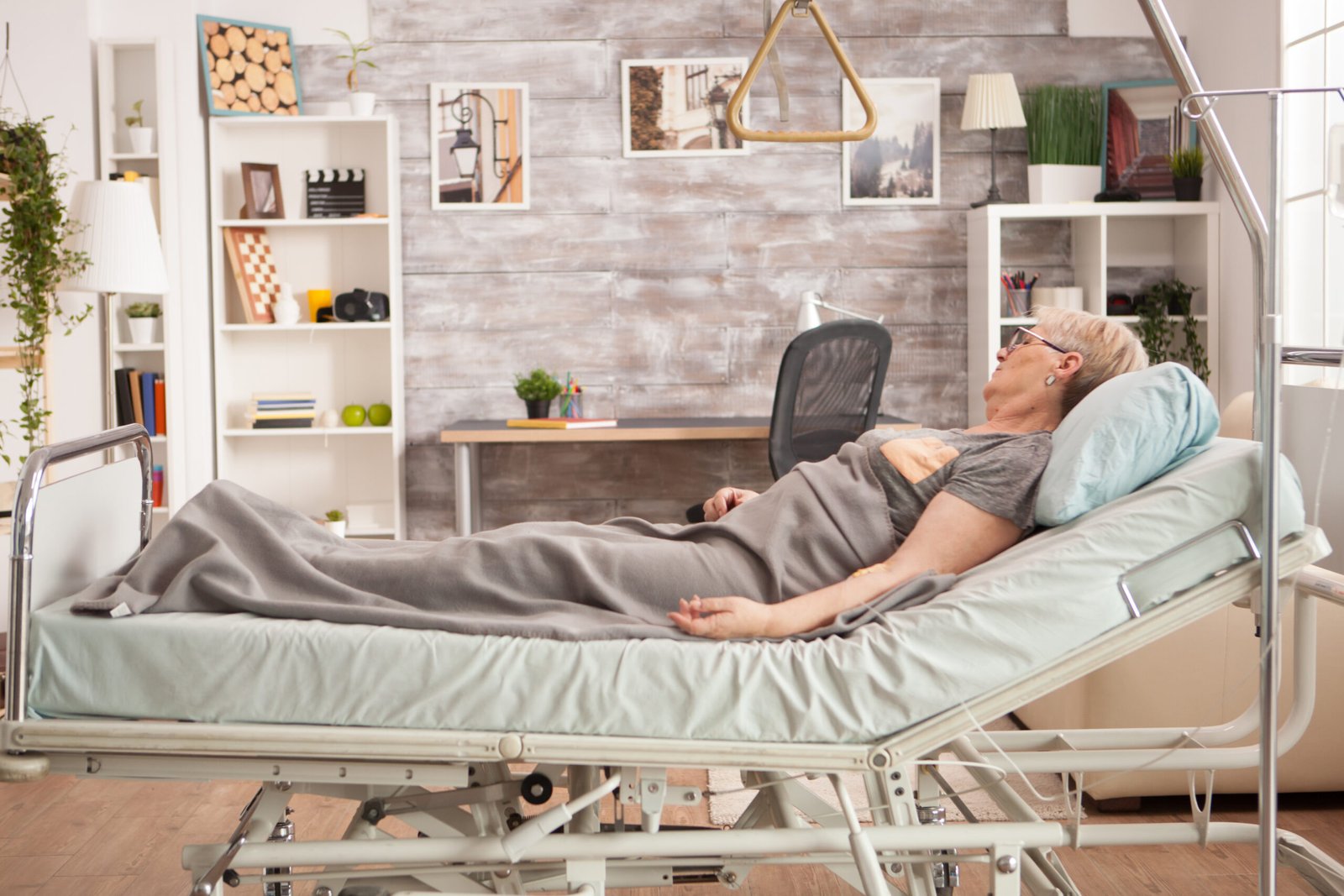
Rest is incredibly healing.” You may not necessarily have the best place or support for resting on a traditional bed while you heal. Many families prefer a hospital- or medical-like bed with the capability of adjusting the head, legs, and height. This technique enhances comfort, breathing, and circulation as well as easing the impulse for caregivers to help them with their daily living. Using a pressure-relief mattress and soft bedding can provide additional comfort.
Create a Safe, Navigable Home
Recovery at home and preventing falls can be critical. Keep walkways clear, supplant loose rugs, and maintain good lighting inside your house. Keep commonly used items within reach and think about adding grab bars in the bathroom. Tiny adjustments can move the needle in protecting our cherished relations from fall-related injuries.
Assist with pain control and ambulation for a distance of 50 feet.
Pain and discomfort can contribute to recovery taking longer if not handled right. Administer medication as ordered with your child and frequent gentle repositioning. The hand-friendly pillows or cushions and adjustable Medical beds reduce pressure points and prevent stiffness for those with extended bed rest.
Keep a soothing and curative environment.
You see, I believe a calm environment restores the body and mind. Maintain a quiet, clean, and well-ventilated recovery environment. Personal touches such as family photographs, soft lighting, and the familiar can help make the space comforting, not clinical. Psychological security and patience are as necessary as physical care.
Encourage Independence While Offering Support
Enabling your family member to be involved in their care, when it’s feasible, builds self-assurance and dignity. The use of adjustable beds, bedside tables, and mobility aids supports them in performing small tasks independently but with support nearby when required.
Keep Everything in Order With Love and Day-to-Day Regulation
Meanwhile, tracking medications, appointments, and care schedules relieves stress for everyone. A straightforward ritual is a way to maintain consistency and make sure that nothing gets overlooked. Caregiver burnout is a thing, so don’t be afraid to ask for help or take breaks as necessary.
Selecting the Right Home Care Devices
The right equipment can completely transform the recovery experience. We showcase hospital beds, mobility aids, and safety accessories to enhance home care for patients and caregivers. A medical equipment provider that you trust can also guide you toward options that will be most compatible with your loved one’s needs and your home environment.
Ensuring That Home Recovery Is a Pleasant Experience
A comfortable home recovery isn’t about the stuff—it’s about a physical and emotional environment in which we feel sheltered, loved, and supported. Provided with an advance plan and the right tools, families can enable their loved ones to heal comfortably, with dignity—and peace of mind.