What Should You Look for in a Medical Equipment Supplier?
- by Mike
- 0 Comments
Selecting the right medical equipment provider is key to successful caregiving, patient safety, and office productivity—whether you’re a caregiver, clinic, or family member providing for someone at home. There are so many suppliers out there that it can be really tough to know who actually adds value and quality. The ideal supplier is working with you to achieve your care goals, not just bringing products but also knowledge, trust, and an ongoing service.
Below are some of the aspects to consider when selecting a medical equipment supplier.
High-Quality, Certified Medical Equipment
There’s no back-and-forth about quality in anything involving health and safety. Make sure the supplier’s products comply with Canadian health and safety standards.
Look for:
- Reputable brands and certified equipment
- Durable and well-maintained products
- Proper cleaning and sanitization processes
- Clear product specifications and manuals
The quality of equipment limits risk factors, enhances patient comfort, and ensures satisfactory curve recovery.
A Broad Selection of Equipment Options
The top supplier will have a wide range, so you won’t have to look elsewhere for the right product.
This may include:
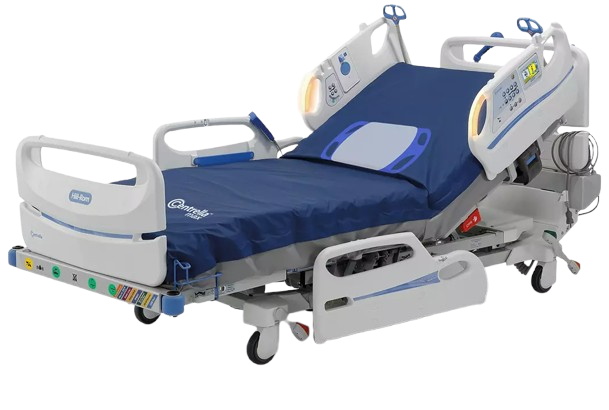
- Hospital beds (manual, semi-electric, full-electric)
- Mobility aids (walkers, rollators, wheelchairs)
- Lift chairs and patient lifts
- Bathroom safety products
- Respiratory and home-care devices
As needs evolve, flexibility is a beneficial thing to have, and few things are more flexible than the supply of goods.
Reliable Delivery, Installation, and Pickup
Timeliness and professionalism matter, especially when dealing with such time-sensitive issues of care.
A reliable supplier should provide:
- Fast delivery in your area
- Professional installation and setup
- Clear demonstrations on equipment use
- Hassle-free pickup for rentals
The flow and logistics can’t be seen, enabling your attention on the patient not coordination.
Clear Pricing and Rental Terms
A med kit is a significant purchase—so clarity and affordability can play a role.
Look for suppliers offering:
- No upcharges and no upfront cost
- Competitive rental rates
- Short-term and long-term rental options
- Purchase and rent-to-own choices
Being transparent helps those around you to trust what you are doing and enables you to make the best decisions.
Decent customer care and after-sales service
A good supplier does not disappear after the sale.
They should provide:
- 24/7 or same-day customer support
- When you need assistance, help is always available
- Easy equipment repairs or replacements
- Ongoing check-ins for long-term rentals
Support is key in avoiding patient care disruption.
Experience and Industry Knowledge
Medical equipment requires expertise. An experienced provider can point you towards perfect-match products.
You benefit from:
- In-depth product knowledge
- Personalized recommendations
- Knowledge about the home-care and clinical demands
- Better, more effective gear choices
- Reputable expert suppliers listen and help you make the right decision.
- Positive Reviews and Reputation
Reputation speaks volumes. Before you settle on a supplier, it would be wise to review their online profile and customer testimonials.
Check for:
- Google reviews
- Testimonials on their website
- Community referrals
- Consistent service history
In general, smoother transactions in reputable sellers are more common.
Final Thoughts
The best medical bed supplier will do more than ship you products; they will deliver peace of mind. However, by selecting a provider offering quality equipment, ongoing support, straightforward pricing, and reliable service, you’re setting yourself or your loved one up with the best care possible.