
Tag: home care hospital beds

  • Home
  • Tag: home care hospital beds
29December 2025

Hospital Bed Delivery Requirements: What to Measure Before Booking

Arranging a hospital bed for home care is a vital stage in facilitating recovery, long-term care, or aging at home. Most families are excited about choosing the perfect model of bed, but they often miss out on one crucial way to prepare—their home for delivery. Using your measurements prior to booking is a sure way to make sure you’re following the correct plan so that installation goes smoothly and no extra time, money, or safety issues crop up.

Here’s our guide to everything you should measure before ordering a hospital bed delivery.

Why Proper Measurements Are Essential

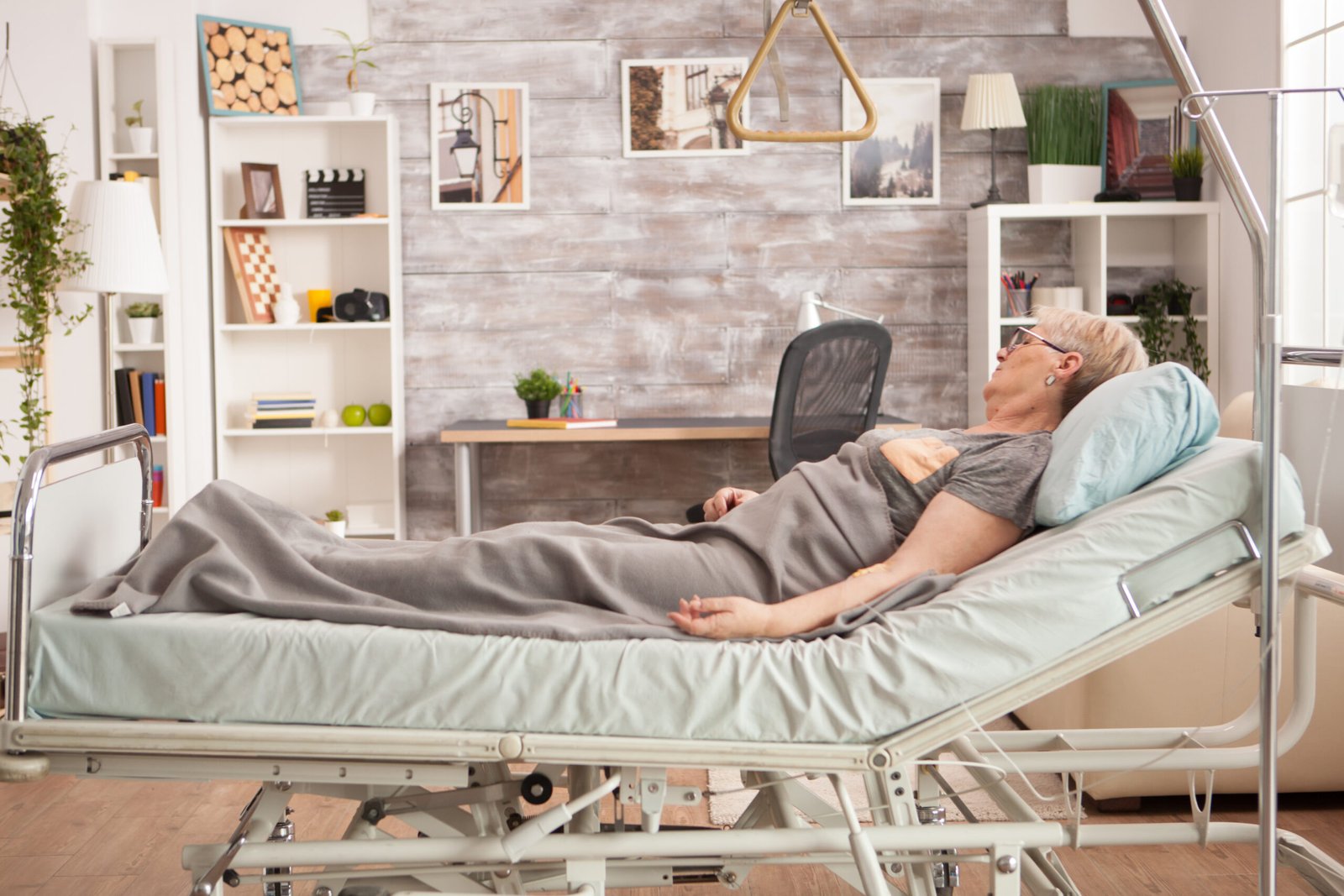
Beds in hospitals are bulkier, heavier, and more complicated than those available for home use. These may involve adjustable bases, motors, side rails, or deluxe mattresses. Poor measurements can lead delivery crews to challenging situations during the removal of old furniture through narrow doorways or tight hallways or to difficulty fitting new furniture into insufficient space.

By measuring ahead, you can:

  • Verify the bed. Will safely fit in the room you chose
  • Allow for caregivers to easily travel around the bed.
  • Prevent last-minute delivery rescheduling.
  • Less damage to walls, doors, or floors

Measure the Bedroom First

Begin with the room in which the hospital bed is going to be installed.

Check:

  • Room length and width
  • Clearance at both sides and foot of bed
  • Height, especially with adjustable beds or for patient lifts

A hospital bed generally needs additional space for staff to help with transfers, rolling, dressing, and the like. Sufficient clearances also help to provide patient comfort and safety.

Inspect Every Door and Entrance

Most hospital beds come in pieces, but you will need doorway clearance.

Measure:

  • Front entrance door width and height
  • Doors to the bedroom
  • Space-limiting doorways, handles, or moulding

Many hospital beds need that much space to pass through. Verified dimensions ahead of time can avoid problems at delivery.

Measure Hallways and Turns

Hallways and turning points can be problematic when making deliveries.

Be sure to:

  • Measure hallway width.
  • Locate curves and tight turns.

If possible, move furniture, rugs, or decorative objects out of the way of the entrance. artist agents and representatives (i.e., managers).

Stairs, Elevators, and Multi-Level Homes

Additional measurements are necessary if the bed has to go upstairs or into an apartment or condo.

For stairs:

  • Stair width
  • Ceiling height above staircases

Size of landings and turns

For elevators:

  • Door opening width and height
  • Interior elevator dimensions

This information allows the supplier to arrange for delivery accordingly.

Power Access and Floor Conditions

The majority of electric hospital beds need to be connected to a nearby electrical outlet.

Before delivery:

  • Have an outlet easily accessible..
  • Secure loose rugs or cords.
  • Ensure there is a level, flat floor.

These small checks will help to provide a safer and smoother bed.

Final Thoughts

This means that if you had not addressed the issue and arranged for a hospital bed delivery to your home, you should not be shocked or frustrated. Exact measurements are critical both for a bed that fits well and is comfortable—and also to allow caregivers to work safely and unencumbered as they set it up.

When well planned, hospital bed delivery is easy, so you can concentrate on what’s important: delivering comfort and dignity at home.

26December 2025

How Medical Beds Improve Comfort and Safety at Home

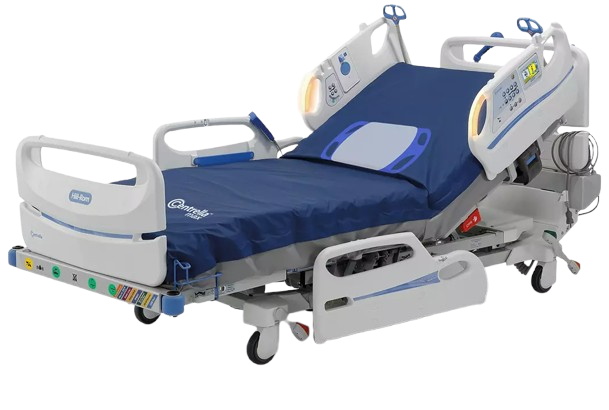
Tending to a loved one at home or recovering from surgery can be physically challenging without proper equipment. Medical hospital beds (also known as adjustable beds and sometimes called homecare beds) are essential equipment when designing home-care environments. Unlike traditional beds, medical beds provide unique functions to simplify daily care for patients and their carers. Here’s a look at how medical beds can greatly enhance comfort and safety within the home.

Enhanced Comfort Through Adjustable Positions

One of the greatest benefits of medical transfer beds and equipment is the fact that they are adjustable. This can be tailored to the perfect position for you—your body will thank you, as well as your productivity.

Key comfort features include:

  • To reduce pressure on the back and other joints, head and foot sections It can be raised into a lift position.
  • Elevating the legs promotes circulation.which may reduce swelling.
  • This step brings better breathing care and has more advantages for lung patients.
  • Tailored for sleeping, eating, reading, and watching TV

These advantages are particularly useful for seniors, recovering patients, and those with chronic diseases.

Enhanced safety for both patients and caregivers

Home care may include some safety concerns, and that’s where the medical bed was invented. They reduce the chances of an accident occurring and promote independence.

Safety benefits include:

  • Side rails are used to stop a patient from rolling out of bed while asleep or during transfer.
  • The height-adjustable feature is easy for the user or carer to raise or lower to suit the individual’s needs and also facilitates safer and easier transference in and out of bed.
  • The wheels are locked in place to ensure that the bed does not move while attending to the patient.
  • This also assists the carer to transfer and move the client.

These precautions serve to reduce the occurrence of many of these accidents (i.e., falls, pulled Muscle and back injuries make home care a safe place for everyone involved.

Medical rehabilitation, home care, and long-term care

It is not mere comfort we are talking about: medical beds are a necessity for recovery and long-term care. The ideal placement of medical beds for maximum rehabilitation is beneficial to healing outcomes.

Medical advantages include:

  • Reduction of pressure, prevention of decubitus ulcers, and skin breakdown
  • Optimized wound care, ideal elevation, and positioning
  • Utilization of medical devices like overbed tables, IV poles, and trapeze bars
  • Works on a pressure relief mattress for better comfort

These benefits make medical beds ideal for post-surgery or other recovery patients, as well as long-term care patients who need assistance in their homes.

Foster autonomy and well-being.

Simple though they may be, the levers on a medical bed allow us to adjust our position without losing our dignity. This self-regulation has possible implications in mental health and quality of life.

A Smart Investment for Home Health The total cost for the next 90 days was $3,338. But after patients left the hospital, doctors who were randomly assigned to one company’s service visited them at home and spoke with them about their medical care.

With medical beds, it is also practical for women to have home-based nursing care. They are a combination of comfort, safety, and services that provide an atmosphere conducive to recovery while diminishing the burden of caregiving. A hospital bed in Vaughan can be a vital addition to at-home recovery or treatment that needs ongoing care.