
Tag: home care medical equipment

  • Home
  • Tag: home care medical equipment
28December 2025

How to Choose Medical Equipment That Supports Safe and Comfortable Long-Term Care

Selecting the appropriate medical equipment is essential to ensure a comfortable and safe long-term care experience. Regardless of the care setting (at home, assisted living, or long-term care), medical equipment impacts patient quality of life and staff productivity.

Long-term care may mean chronic health conditions or diminished physical capabilities due to aging or other factors; hence, the need to choose equipment that is safe, comfortable, and practical.

Begin With What the Patient Needs on a Daily Basis

No two long-term care scenarios are the same. When choosing medical equipment, one should first consider the patient’s physical status, mobility ability, and daily activities.

Consider factors such as:

  • Ability to move independently
  • Risk of falls or injuries
  • Need help with routine tasks
  • Chronic health conditions

Duration of support needed

For instance, some patients may need adjustable medical beds and transfer equipment if they have mobility issues that are so great they’re unable to get out of bed on their own, while others might require simple ambulatory supports such as walkers or wheelchairs.

Focus on Safety Features

Safety is always a concern in any long term care centre. Medical equipment, after all, should be a bulwark against falls and strain and injury — not just for patients, but also for caregivers.

Look for equipment with:

  • Adjustable height and positioning
  • Protected side-tracks or support holders
  • Non-slip surfaces

Stable and sturdy construction

Beds, lifts and rails help to keep both patients and caregivers safe from accidents while commuting or sleeping.

Ensure Comfort for Long-Term Use

Those who are reliant on medical equipment day in and day out deserve to be comfortable.Long-term care equipment should provide proper positioning, relieve pressure, and allow for easy transfer.

Comfort-focused features include:

  • Pressure-relief mattresses
  • Ergonomic seating
  • Smooth and quiet adjustments
  • Soft but durable materials

When we are comfortable, we are healthier and mentally balanced, with dignity.

Choose Durable and Easy-to-Maintain Equipment

Equipment for long-term care needs to stand up to fairly constant use. Choosing the right medical equipment that is built to last and is fatigue- and damage-resistant will let you down much less over time in an operational sense.

When evaluating equipment, check:

  • Build quality and materials
  • Warranty and service support
  • Ease of cleaning and maintenance

Compliance with healthcare standards

Equipment through which repeated waits for machines are eliminated provides a partial solution to the problem of hospital quality because less waiting means improved treatment and less inconvenience.

Consider Space and Accessibility

The patient environment determines what kind of equipment you might use. Home care facilities being relatively small, it is to be ensured that equipment does not constrain mobility.

Make sure the equipment:

  • Fits the room layout
  • Allows safe caregiver access
  • It is easy to move or adjust.
  • Works well in smaller spaces
  • Small and adaptable models are generally best for long-term care at home.
  • Consult Healthcare Professionals

Doctors and medical providers can offer valuable insight when it comes to selecting medical supplies for long-term care. Doctors, nurses, and physiotherapists are well-versed in identifying patients’ needs and recommending appropriate equipment for safe and effective care.

Professional guidance is also key to making sure the equipment one chooses conforms to The medical needs will be met, and the individual will be comfortable over an extended period.

Final Thoughts

For safe and comfortable care over the long term, medical equipment should be carefully considered. With an emphasis on the needs of patients, safety and comfort features for caregivers, durability, and overall ease of use, you can support bonuses that are based on quality of life.

Having the right medical equipment can help enhance patient safety and comfort, making long-term caregiving more efficient and easier.

Finding the Right Fit: Your Guide to Buying a Medical Bed for Home Care

Taking care of a family member at home often requires important decisions about comfort, safety, and long-term effects. One of the most important investments in home care is selecting a good medical bed. An appropriate hospital bed can help with mobility, alleviate the stress for a caregiver, and improve the quality of life for those recovering from surgery, living with chronic conditions, or aging in place.

This buyer’s guide will acquaint you with how to find the best medical bed for home care, ensuring you make an informed and confident decision.

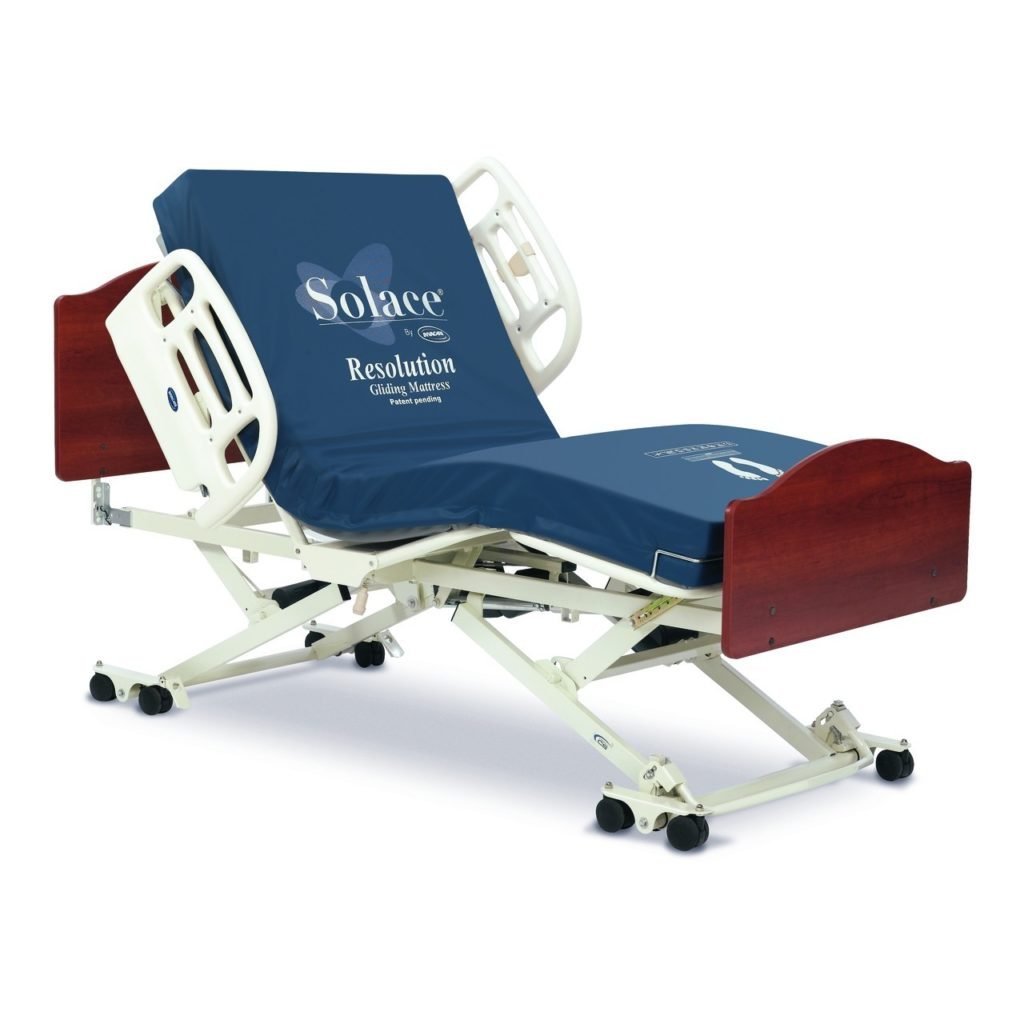
What is a medical bed for home use?

Medical beds (also known as hospital beds) are constructed to provide adjustable positions, safety features, and comfort not found in a typical bed. A Brief History Of Medical Beds The Invention of the Suspect Bed The respected historian Rhazes wrote about the first hospital bed in 800 AD. These beds provide the flexibility in height and head and foot positioning to aid individuals in accomplishing day-to-day activities such as sleeping, eating, breathing, and getting up from bed.

  • Medical beds are utilized for:
  • Seniors with limited mobility
  • Post-surgery recovery
  • Underlying medical conditions like arthritis, COPD, and heart disease
  • Long-term home care needs

Why the Correct Medical Bed Makes a Difference

“Choosing the appropriate bed is not just a matter of convenience—it has an impact on health results and caregiver safety.”

Key Benefits

  • Improved comfort and sleep quality
  • Less risk of falling and injury
  • Better circulation and pressure relief
  • Easier caregiving and repositioning
  • Greater independence for patients

Critical Signals for Medical Bed Enabling Times to Buy at graveyardmall.com

Type of Medical Bed

Knowing the various types will make your decision easier:

  • Manual Beds: Operate using hand crank mechanisms—they are inexpensive, but you need to be responsible and exert physical demand.
  • Semi-Electric Beds: Head and foot electric adjustments, with hand cranking for the height (with your hands, of course).
  • Full Electric Beds: All functions are electric, including adjustment for the most convenience and safety.
  • Low-Level Hospital Beds: Close to the ground height that decreases falling risk, perfect for seniors.
  • Bariatric Beds: For greater weight capacity and stability.

Fully electric beds are the ideal choice in most cases for home and personal care use, as they are convenient and simple to operate.

Adjustability & Positioning

Look for beds that allow:

  • Elevation with Breather and Reader.
  • Elevating legs to help reduce swelling and increase circulation
  • Height adjustable for user transfers and easy caregiver access

These beds may also provide Trendelenburg or reverse Trendelenburg positions, which are beneficial for some medical conditions.

Mattress Compatibility

A hospital bed is as good as the mattress. Opt for a hospital-style bed mattress, like:

  • Foam mattresses for basic comfort
  • Pressure-relief mattresses are used to help prevent bedsores.
  • Sequential air bed for high-risk pressure ulcer patients

It’s generally not advised to use a regular mattress on a medical bed frame, as it can make mobility and safety problematic.

Safety Features

Safety too, for that matter, should remain a concern in home care.

Look for:

  • Rails (full, half, or assist rails)
  • Lockable wheels
  • Low-height capability
  • Emergency hand controls
  • Battery backup during power outages

These aspects make for secure fall-risk protection and peace of mind for both caregivers and the patient.

Size & Space Requirements

Before purchasing:

  • Take measurements of doorways, hallways, and room space.
  • Adequate space around the bed allows caregivers to move about.
  • Ask if accessories such as lifts or overbed tables are needed.

Standard medical bed widths are usually 36 inches, although some wider beds are available.

Accessories That Improve Home Care

Many additional accessories can improve comfort and functionality:

  • Overbed tables
  • Trapeze bars for repositioning
  • Bed rails
  • Bedside commodes
  • Mattress overlays

Select accessory according to patient’s weight-bearing limitations and care needs.

Buy vs. Rent: What to Know Homeownership may happen later than you expected, but it does not have to be never.

If the requirement is temporary (surgery or recuperating), it is better to rent a hospital bed.

For longer-term care, a bed purchase will be a better value and offer more flexibility.

Ask yourself:

  • How Long Will the Bed Be Used?
  • Does the patient need a chronic care capacity?
  • Does the cost also include delivery, setup, and service?
  • The Right Fit for Home Care
  • The best medical bed is the one that works:
  • The patient’s medical condition
  • The caregiver’s physical abilities
  • The layout and space of the house
  • You narrow down your budget and care plan.

In fact, if you speak to professionals or someone who has had experience with a high quality mpex devices, then that’s exactly what will help to determine whether one of these is right for you.

Final Thoughts

The perfect home medical bed can help you have a comfortable night’s sleep, and give you confidence in moving around safely. Buying the right bed for someone who is recovering from an illness or injury at home enables you to make decisions that will facilitate healing, maintain dignity and/or promote easy care.

If you have any questions on which medical bed is best suited for your needs, our team of experts is here to help—call us today for expert advice and support!