
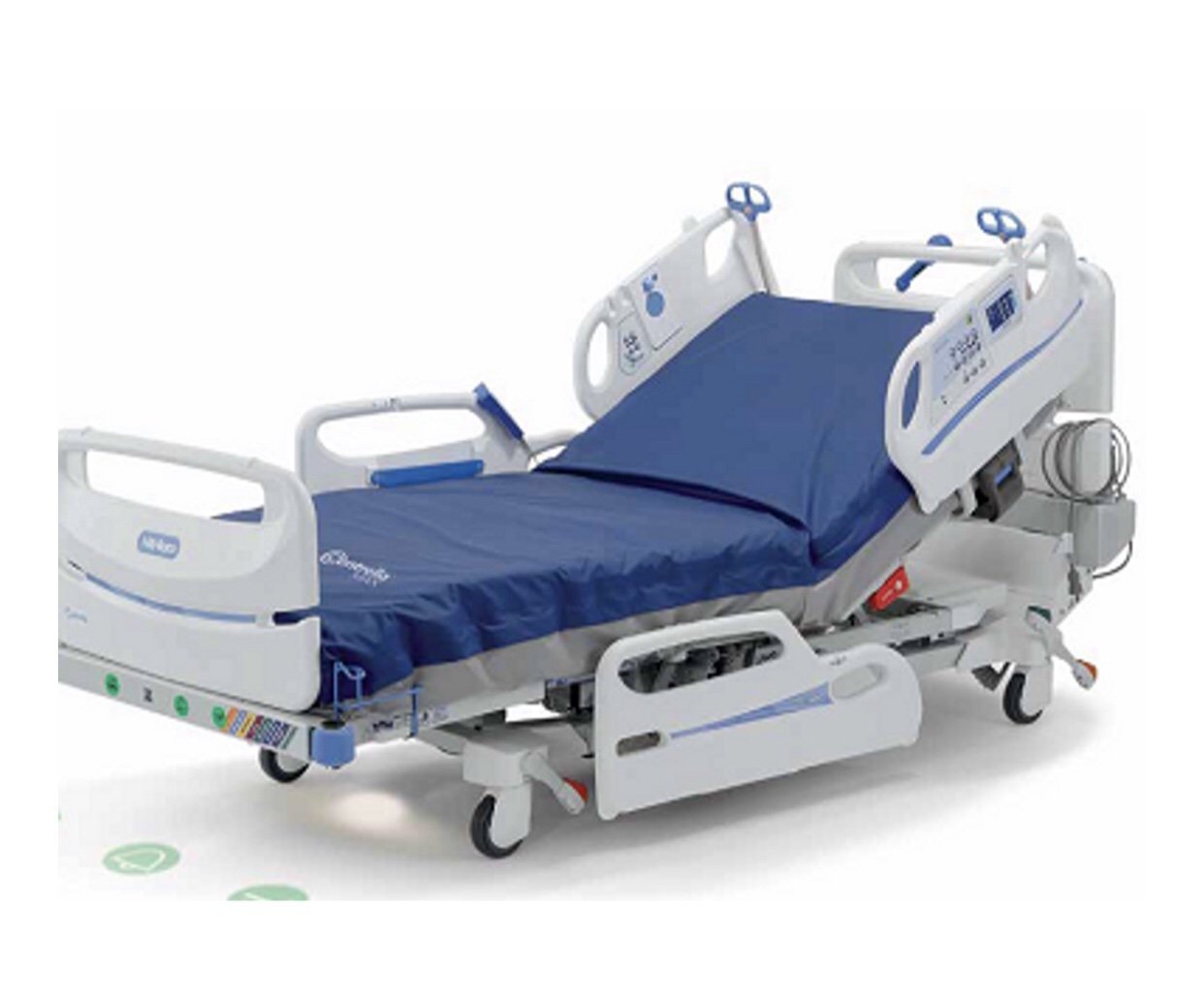
Tag: home hospital bed

  • Home
  • Tag: home hospital bed
17December 2025

Beyond the Mattress: 5 Key Features to Look for in a Home Hospital Bed

When creating a safe and comfortable home care space, most consider selecting the right mattress—but a home hospital bed is more than just where you sleep. The properties The integration of these features into the bed itself is fundamental for ensuring safety and comfort, facilitating the caregiver’s work, and enhancing the quality of life.

Whether you are taking care of an elderly loved one, healing after surgery, or dealing with chronic illness, insight about what’s off the mattress can empower you to confidently select the best home hospital bed.

Ergonomic Design with Adjustable Positioning for Comfort and Wellness

Below are the key functions of a home hospital bed: 1) What Are The Best Qualities Of A Home Hospital Bed? One of the greatest attributes of a home hospital bed is its ability to adjust.

Why It Matters

  • Raising the head helps with breathing, reading, and eating.
  • Lift the legs to increase blood flow and decrease swelling.
  • Alter the bed frame height to make it easier for someone to get in and out of bed.
  • Fully electric hospital beds make smooth, easy adjustments at the press of a button—great for patients and caregivers alike.

Safety and Fall Protection are enhanced by the Height Adjustment feature.

By keeping the bed low to the ground, it helps ensure that no one falls from it, especially our elderly.

Key Benefits

  • Keeping the bed low helps lower the risk of injury from falling when getting in and out of bed.
  • The higher the position, the easier it gets to take care of tasks such as dressing or repositioning.
  • Height is adjustable for safe and easy transfer into wheelchairs or walkers.
  • Low hospital beds are particularly advocated for high fall risk or unbalanced people.
  • Supportive Side Rails Ultimately, the Koala Baby Bed Rail is designed to promote your child’s health and security.

Rails are not mere safety barriers; they offer much-needed site assistance.

What to Look For

  • Full rails for maximum protection
  • Half or assist rails for support and position changing
  • Easy-to-lock and easy-to-lower designs

Appropriately chosen angled side rails can prevent falls and allow a user something sturdy to grasp when he or she is upright, moving, or getting out of bed.

Durable Frame and Weight Capacity

A sturdy bed frame not only ensures the stability and durability of the bed but also provides protection for your safety.

Important Considerations

Ensure that the bed frame has a sufficient weight capacity to meet the user’s weight requirements.

  • Heavy-Duty Steel Frame for Long-Lasting Durability
  • Soundless motors for uninterrupted smooth operations

For those who need extra assistance, bariatric hospital beds are built with wider surfaces and increased weight capacities yet still provide the safety you expect from a bariatric bed.

Caregiver-Friendly Controls and Features

A home hospital bed is supposed to make caregiving easier, not more difficult.

Helpful Features

User-friendly hand controls Buttons are easy to see. strip_length: 47.24 inches Simple style Hot and cold water faucet rotation tap dual-use Older children use it with plenty of running water!

  • Lockout prevents inadvertent changes.
  • UPS for backup during power cuts
  • Locking wheels and smooth-rolling casters

Such features minimize the physical burden on caregivers and enhance efficiency in daily care operations.

Why These Features Are More Important Than You Realize

Although the mattress influences pressure-relieving properties and comfort, it is the structural and mechanical features of the bed that govern how safely and efficiently a patient can reposition, rest, and be nursed. Selecting the right hospital bed can:

  • Improve independence.
  • Reduce caregiver injuries.
  • Reduce the risk of falls and complications.
  • Support recovery and long-term well-being.

Final Thoughts

A home hospital bed is not simply a mattress and frame—it’s an important piece of medical equipment that provides for the safety, comfort, and dignity of patients in their homes. By considering these five elements, you will find a home that suits the patient and the caregiver.

And of course, if you need help choosing the perfect home hospital bed or accessories, our friendly staff are only a phone call away. Call us today for professional advice and quality home care options.
5September 2025

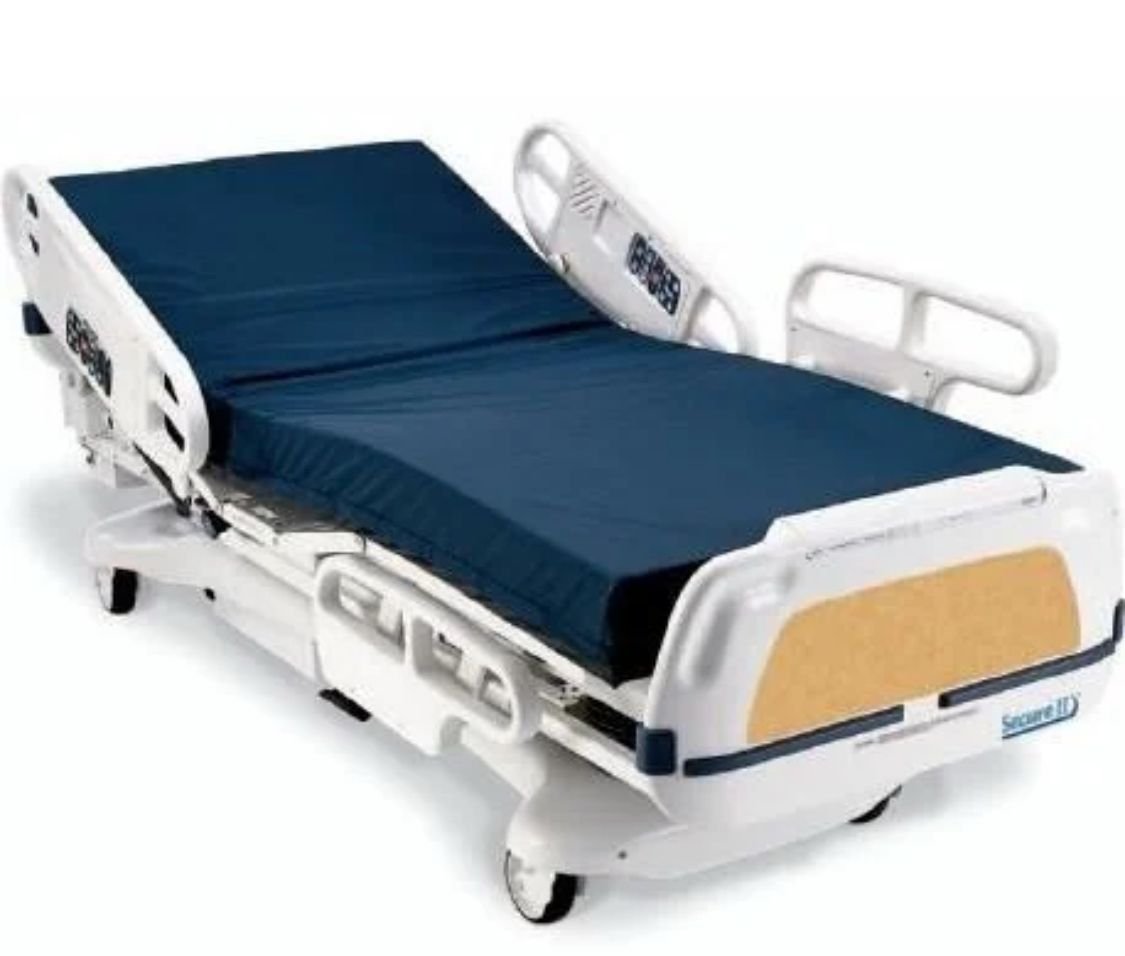
How Does a Hospital Bed Help Prevent Bed Sores?

When caring for a loved one who is bedridden or has limited mobility, there are many worries one can have. Developing pressure ulcers (or bed sores) is one of the greatest concerns.

These painful wounds create more problems than just the wound itself; They are an incredibly significant medical issue and potential complications of the wound. Pressure ulcers can lead to infections, longer hospital stays, or worse significantly decreased quality of life.

The good news is that prevention is possible, and a primary tool in that fight is a specialized home hospital bed. But how exactly does this piece of medical equipment make such a critical difference? Let’s break it down.

Understanding the Enemy: What Are Bed Sores?

Bed sores develop when constant pressure on a specific area of the body cuts off blood flow to the skin and underlying tissues. Without oxygen and nutrients from blood, the tissue becomes damaged and dies. This happens most often on bony areas like the heels, tailbone (coccyx), hips, and elbows.

The three key factors that lead to bed sores are:

  • Pressure: Constant force on the skin.
  • Shear: When the skin moves one way while the bone moves another (e.g., sliding down in a bed).
  • Friction: The rubbing of skin against sheets or clothing.

A standard home bed unfortunately facilitates all three of these factors. A medical bed is specifically designed to combat them.

How a Home Hospital Bed Fights Back

1. Pressure Redistribution with Specialized Mattresses

This is the most important feature. Home hospital beds are paired with advanced pressure-relieving mattresses that a standard bed cannot accommodate effectively.

Alternating Pressure Mattresses: These mattresses contain air cells that alternately inflate and deflate in a cycle. This constantly shifts the points of pressure on the patient’s body, ensuring no single area is deprived of blood flow for too long. It’s like a continuous, gentle massage that promotes circulation.

Low Air Loss Mattresses: These surfaces allow air to seep out through tiny pores. This does two things: it helps manage the microclimate around the skin by pulling away heat and moisture (a major risk factor for skin breakdown), and it creates a floating support system that distributes weight more evenly.

High-Density Foam Mattresses: These are designed with special cut-outs or convolutions (eggcrate design) to relieve pressure on bony prominences. They are a more economical option that still offers far superior protection than a regular mattress.

2. Easy Repositioning with Electric Adjustability

Repositioning a patient every two hours is a cornerstone of pressure sore prevention. Manually turning a patient is physically demanding for caregivers and can be uncomfortable for the patient, often causing friction and shear.

A fully electric hospital bed changes everything:

Head & Foot Adjustment: Raising the head (Fowler) and knee (Knee Gatch) sections simultaneously creates a “chair” position that prevents the patient from sliding down. This drastically reduces the shear forces that are so damaging to the skin.

Height Adjustment: Lowering the bed makes it easier for a patient to get out of bed safely. Raising the bed to a comfortable height allows caregivers to assist with repositioning and transfers with proper body mechanics, reducing the risk of dropping or dragging the patient (which causes friction).

3. Enhancing Circulation and Reducing Edema

Poor blood circulation is a major contributor to tissue death.

Trendelenburg Position: By gently elevating the feet above the heart, this position can improve venous blood return to the heart, reducing swelling (edema) in the lower extremities. Better circulation means healthier, more resilient tissue.

Reverse Trendelenburg: Raising the head below the feet has other therapeutic uses and can also aid in overall comfort and physiological functions.

4. Providing a Stable Foundation for Care

The bed’s sturdy frame and built-in features make daily care safer and easier, which indirectly prevents skin damage.

Built-In Side Rails: These side rails offer the patient something to hold onto while repositioning themselves to encourage independence and safe movement.

Secure Attachment Points: Features such as IV poles and trapeze bars can be considered. A patient lift trapeze lets the patient lift themselves slightly, allowing caregivers to slide or reposition sheets with minimal friction.

The Bed: Your First Line of Defense

While a hospital bed is a potent tool, it is in fact most effective when used in conjunction with a comprehensive care plan encompassing:

  • Regular Repositioning: Even with the best bed, turning schedules are of paramount importance.
  • Skin Inspections: Conducting inspections daily for redness or discoloration on bony prominences.
  • Proper Nutrition and Hydration: Healthy skin resists the damage.
  • Moisture Management: Keeping skin clean and dry.

Invest in Prevention, Invest in Comfort

Certainly, preventing bedsores is far easier, less painful, and less expensive than treating them.A hod to protect your loved one’s health, preserve their dignity, and provide them with the comfort they deserve.

me hospital bed is not just a piece of furniture; it is a proactive medical device designe

Is a loved one at risk? Don’t wait for a problem to develop. Proactive care is the best care.