
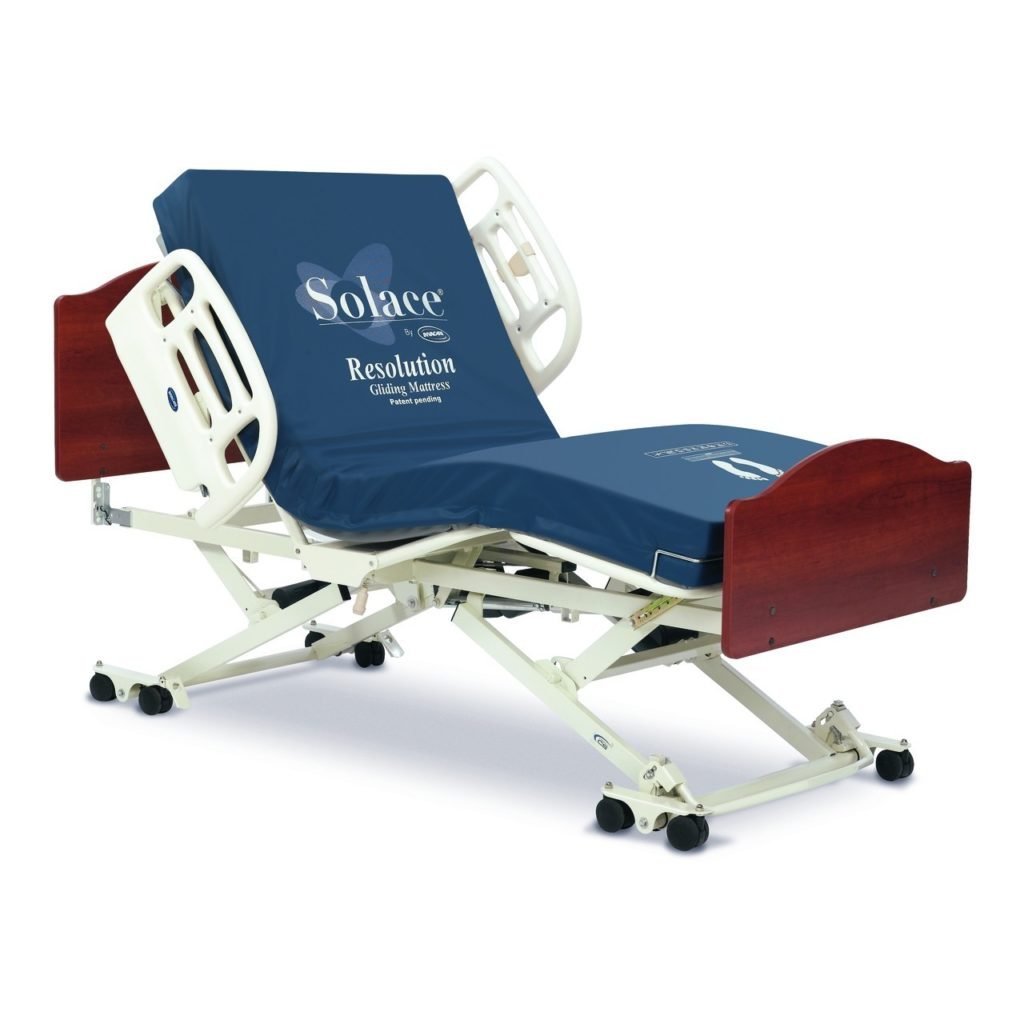
Tag: home hospital bed benefits

  • Home
  • Tag: home hospital bed benefits
2December 2025

7 Ways a Hospital Bed Can Make Home Care Safer and More Comfortable

Providing care to a loved one at home requires “equipment” that will help maintain their health, safety, and comfort. One of the best investments that you can make is a hospital bed for home care. Traditional beds found in most homes cannot move like a hospital bed and do not offer the same mobile and adjustable options, which exceed standard hospital safety standards and create the most comfortable environment for you, the patient, and your primary caregiver.

Here are seven important reasons to invest in a hospital-style bed for home care.

🛡️ 1. Reduces Fall and Injury Risks

Safety is a focus when it comes to the design of hospital beds. Features like

  • Secure side rails
  • Lockable wheels
  • Stable bed frame structures

These also cut down on accidents—particularly when patients get into or out of bed or move while sleeping.

♿ 2. Supports Safe Patient Transfers

Such patients, who are relatively immobile, generally find themselves with difficulty in the process of sitting up or shifting. You have more options to make transfers easy with hospital beds:

  • Adjustable height settings
  • Elevating back and leg sections
  • Side-rail assist

This spares the patients and avoids injury to the caregiver.

😌 3. Enhanced Comfort for Long-Term Rest

Numerous home care patients are confined to bed or lying down for long periods. Advanced comfort features help:

  • Relieve pressure points.
  • Promote healthier posture.
  • Reduce pain and stiffness.

Good comfort is good sleep and better well-being.

❤️ 4. Improves Patient Independence

Patients can additionally control their own electric bed remotely to:

  • Sit up without assistance.
  • Consideration for dining, lounging, and socializing
  • Move with greater confidence.

Small gains in independence can help mental health and dignity.

🧼 5. Promotes Hygiene and Infection Prevention

Easy to Clean Hospital beds are constructed using materials that provide quick and easy cleaning, resistance to bacteria, and the ability to easily manage spills. This ensures:

  • Faster cleaning routines
  • Less contamination risk
  • Better hygiene management

A cleaner atmosphere means a quicker recovery and fewer infections.

🧍 6. Helps With Breathing and Circulation

Positioning correctly can make a big difference for patients with chronic respiratory or blood-flow problems. Hospital beds allow:

  • Head elevation for easier breathing
  • Leg elevation to reduce swelling
  • Pressure relief to prevent bedsores

These healthcare advantages are pivotal for sustained care success.

🩺 7. Improved Daily and Medical Equipment Access

Bed comfort: Whether for toileting, feeding, wound care, or therapy, the hospital beds make daily routines easier. The adjustable height ensures:

  • Nurses and caregivers can execute their duties conveniently.
  • Lifts and IV poles, for example, can be used correctly.
  • Less physical work, at lower risk to the patient
  • The result is a smoother, more comfortable experience.

💡 Final Thought

A hospital bed is more than a piece of furniture: it’s a practical, use-over-time device that provides comfort, independence, and safety to patients and their caregivers alike. The right hospital bed can improve the quality of care and make a healing space safer and more comfortable if you are caring for a family member at home.
24November 2025

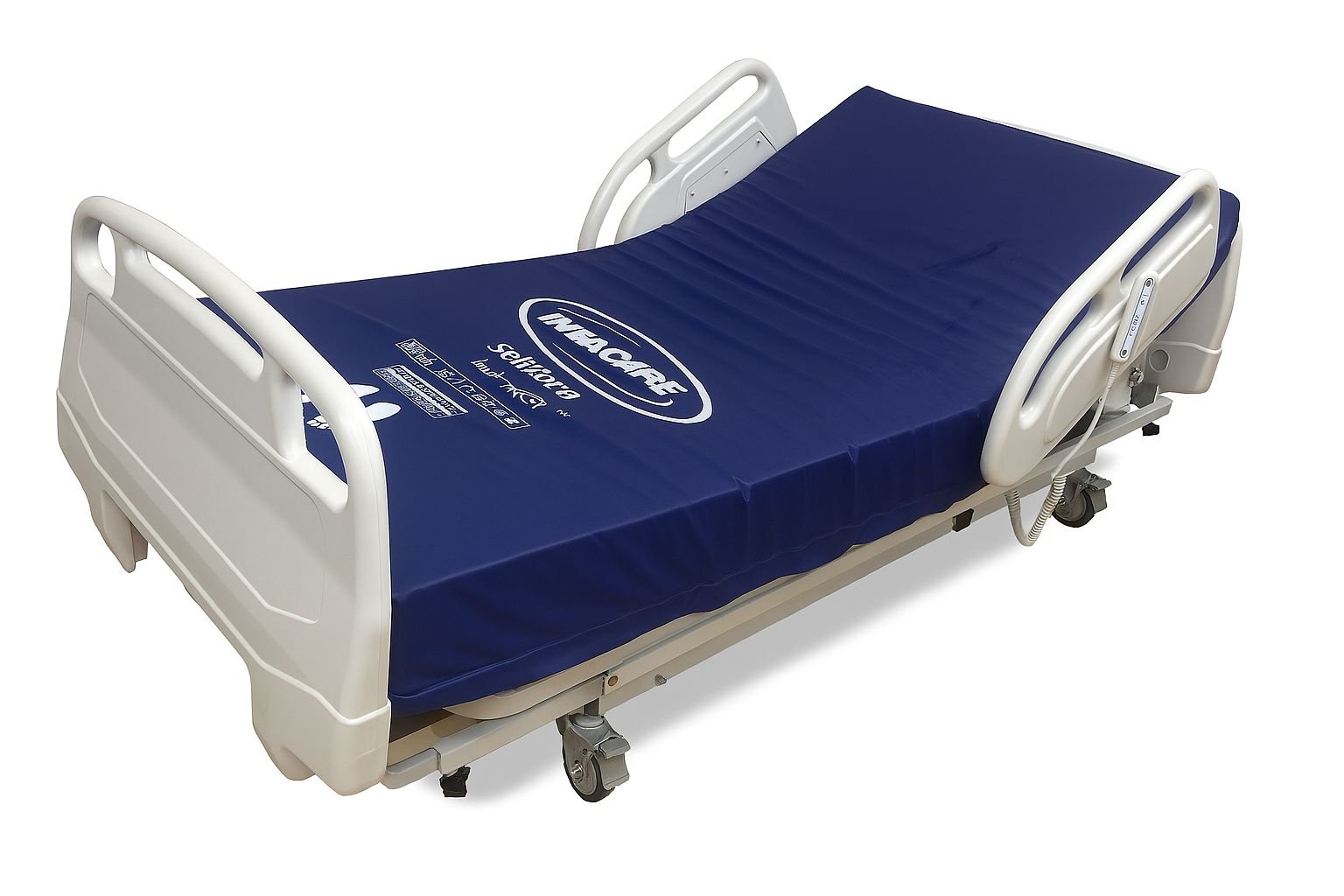
Can You Purchase a Hospital Bed With Insurance or Medicare Assistance?

Many families caring for a loved one at home may actually think twice about the price of a hospital bed. Good news: Depending on eligibility, documentation, and the type of bed required, insurance plans and Medicare may cover all or part of the cost. And if you know how coverage works, then you can make informed decisions and avoid throwing money away.

How Hospital Beds Are Covered by Insurance

Most private plans can classify hospital beds as Durable Medical Equipment (DME). The exact coverage will vary according to the terms of your plan, but insurers generally follow these guidelines:

Common Requirements for Insurance Approval

  • The doctor orders the medical services.
  • Documentation must prove the bed’s necessity for transfers or other daily activities. including potential entrapment and medical treatment, is required.
  • There must be proof that a standard home bed poses a significant risk.
  • The provider has to be an in-network DME for your insurance.

Types of beds are often covered.

  • Manual hospital beds
  • Semi-electric beds
  • Basic electric beds
  • Inpatient Bed Days (not covered except when medically necessary)

These high-end models, cushions, and add-ons could be turned down for coverage, unless they are classified as medically necessary.

Does Medicare Cover Hospital Beds?

Yes, you can purchase a hospital bed with Medicare Part B, as long as medical necessity and provider criteria are met.

Medicare Eligibility Criteria

To qualify for Medicare support:

  • You need to be enrolled in Medicare Part B.
  • Your doctor must also write a letter of medical necessity.
  • The bed needs to be for long-term home usage.
  • The equipment supplier is a Medicare-approved provider and participates in the Medicare (DMEPOS) program.

What Medicare Typically Covers

Medicare usually covers:

  • Manual and semi-electric beds
  • REEF and some accessories, such as bedrails or pressure relief mattresses, are usually covered by Medicare.

Medicare typically does not fully cover electric bed frames, but it may cover the manual functions; therefore, any additional charges for an upgrade will be your responsibility.

Is There Anything You Will Have to Pay Out of Pocket?

Some costs may apply, even if you have insurance or Medicare. That will depend on your plan and which type of bed you choose.

Possible Out-of-Pocket Costs

  • 20% under Medicare Part B
  • If you have not met your annual deductibles
  • Extra charges for add-ons, custom mattresses, or delivery
  • Charges for rental and rent-to-own options apply when the bed is leased on a monthly basis.

And many suppliers have rental options if you’re trying to keep a budget in mind.

How to Get Approved Quickly

Here’s how it works to speed potential approval along:

  • Obtain a detailed doctor’s prescription, along with a diagnosis and reasons why a hospital bed is medically necessary.
  • Select a DME provider who accepts Medicare or is in-network.
  • Create your medical records, mobility assessment, or care plan.
  • Ask your facility if you should rent or buy.
Conclusion

Getting a hospital bed with insurance or Medicare’s help is entirely feasible—if you have the proper paperwork and stay within approved suppliers. Whether you are taking care of an elderly parent, a post-surgery patient, or someone with reduced mobility due to stroke or long-term illness, understanding the types of beds that may be covered through insurance can ease your financial burden and ensure that person receives the proper bed for months and years of comfort and safety.