
 3December 2025
How to Choose the Best Hospital Bed for Home Care in the GTA
- by Mike
- 0 Comments
Selecting the Best Hospital Bed for Home Use Choosing the right hospital will make life easier, safer, and more comfortable for both the patient and the caregiver. Whether you plan on short-term recovery or long-term care in the GTA, here are some helpful tips to make sure that whatever bed you do choose is a good fit—and not just for your body.
Start with the patient’s needs.
Every patient is different. Start off by deciding on medical and mobility requirements:
- The frequency of self-performance refers to the patient’s ability to sit up, turn in bed, and transfer to a chair.
- Pressure ulcer risk, respiratory condition, and recent surgery were overwhelming medical requirements.
- Necessary care (many repositionings, lifting)
- Mobility aids (Hoyer lift, slide board, wheelchair)
This straightforward comparison of beds will help lead you to features that apply (high/low bed height, full electric controls, bariatric capabilities).
Know the main bed types.
- Manual hospital beds: Less expensive, with a crank for adjustments. These beds are ideal for short-term use when power is not required.
- Semi-electric beds: Head and foot adjustments are motorized; height is manual. Balanced option for most home care scenarios.
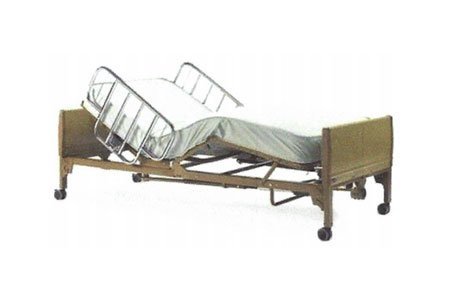
- The fully electric bed includes power height adjustment, as well as back and leg sections that adjust electronically to either V or horizontal positions. It’s beneficial for higher care needs and less caregiver burden.
- Bariatric beds accommodate larger frames and higher weight limits.
Prioritize the key features.
When searching for models to compare, seek the following, as they’ll elevate safety and comfort:
- Just make sure the weight tolerances and width give you enough to sideslip.
- Height range: the low setting reduces the risk of falls; the higher setting offers caregiver convenience.
- Side rails—choose a model with safe, patient-friendly side rails or removable ones if you are being transferred frequently.
- The mattress type matters: pressure relief (such as foam or alternating air mattresses) is better than the threat of bedsores.
- Cleanability: Surfaces that can be washed and parts that can be taken off are critical for infection prevention.
- Power backup—critical if you experience power cuts often.
- Lift Fit—ensure that the clearances and mounting specifications match those of other lifts.
Practical checklist for GTA buyers
- Make sure to measure doorways, hallways, elevators, and the bedroom to ensure safe delivery and installation.
- Inquire about delivery, setup, and a lesson—the better stores generally offer installation and a basic demonstration.
- Warranty and service—look for motor, frame, and electrical component coverage and local servicing options.
- Rental vs. purchase—rentals are cheaper if you only need them for layouts or a day; purchasing makes sense if they will be used over time.
- Check your return policy and use the mattress inspection process.
Final thought
The best hospital bed is one that offers features according to real-life needs: safety, comfort, caregiver ease, and budget. Please obtain the measurements, identify key priorities, and collaborate with a reputable provider capable of handling the setup and service in the GTA. Not only is a well-chosen bed medically advantageous, offering short-term relief and long-term comfort to the person you care for—it’s also incredibly easy for you to take advantage of online resources now that will pay off with better rest later.