
 18November 2025
Are electric hospital beds as beneficial as manual ones for home use?
- by Mike
- 0 Comments
Carefully selecting the best home hospital bed can provide critically ill patients who require extended home care with increased comfort, security, and support for caregivers. Electric hospital beds and manual models are two popular options among users. Both serve the same primary purpose (to aid patients who need prolonged bed rest), but one is more user-friendly and expensive than the other. Here’s a rundown to help you decide for yourself.
What Are Electric Hospital Beds?
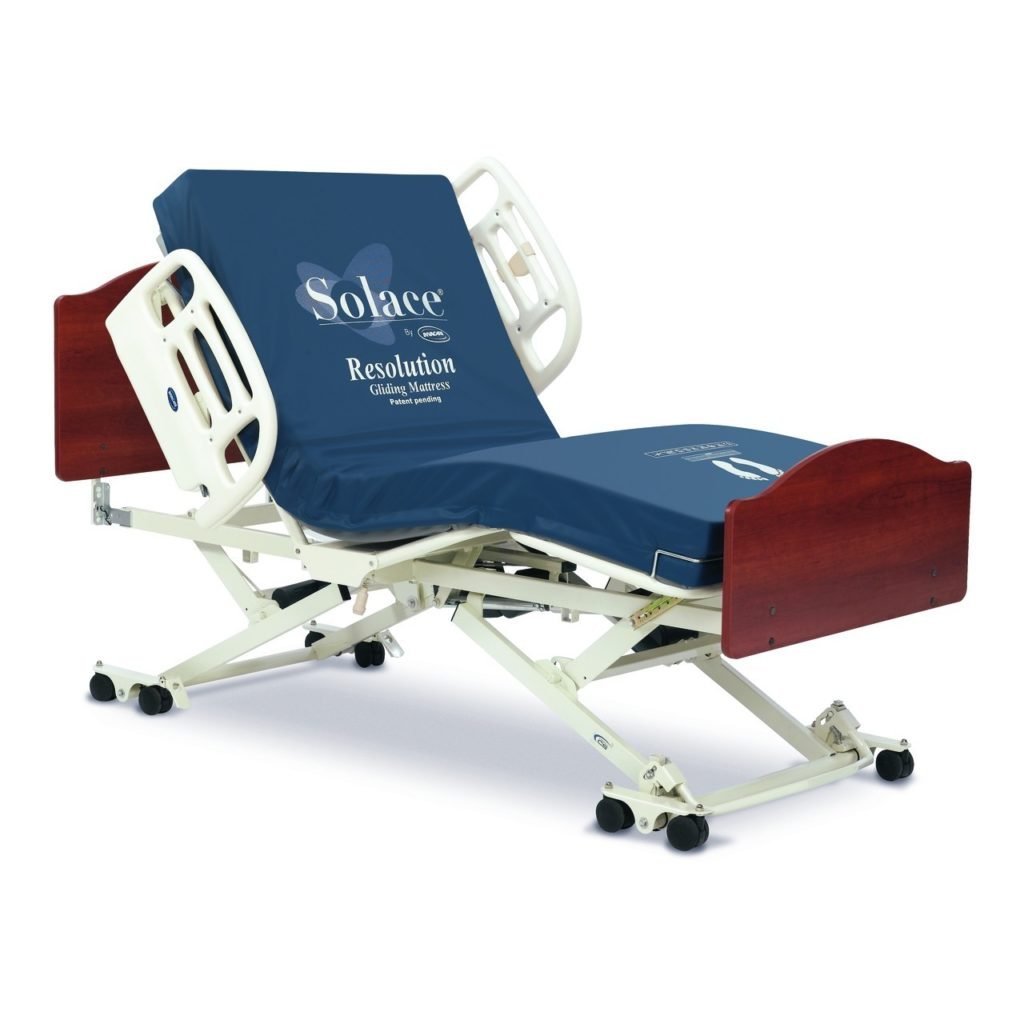
Electric hospital beds have electric-powered motors for adjusting the bed’s frame; this is useful specifically to elderly or disabled individuals who cannot use a manually operated bed alone. These changes are typically regulated by a remote or a handset.
Key Features
- Power lift actuators: Raise or lower the head, foot, or overall height of the bed with the touch of a button.
- Pre-Set Positions: Some (but not all) models come with pre-set positions for comfort or different medical body positions.
- Caregivers love it: Little physical effort is required for adjusting to reduce back strain.
- Superior comfort: Better alignment leads to improved circulation, reduction of tossing and turning, less back pain, and increased feeling of well-restedness.
Pros
- Effortless to operate
- Perfect for users who are bedridden
- Supports professional-style care at home
- Reduces risk of caregiver injury
Cons
- More expensive than manual beds
- Requires access to electricity
- Motors and electronics parts might require maintenance from time to time.
What Are Manual Hospital Beds?
Hand-crank hospital beds work by moving a hand crank to raise and lower the bed or head and foot sections.
Key Features
- Manual Controls: The bed will be manually adjusted by the caregivers with the crank handles.
- Portable: Take it anywhere and use it anytime; no electricity needed—great for porta-potties.
- Fundamentals: Basic adjustability but with a bit more work.
Pros
- Lower cost
- No power source needed.
- Durable and simple to maintain
Cons
- It is physically demanding for caregivers.
- Limited ease of adjustment
- Not ideal for frequent repositioning
- Uncomfortable for patients who cannot help move themselves
Which Bed Is Best for Home?
Much of the decision will be based on the level of care desired by the patient, available caregiving, and the budget.
Electric Beds Are Better When:
- The patient is extremely restricted in mobility.
- There is the constant need to reposition so as not to cause decubitus ulcers.
- Physical Strain: A family caregiver must avoid putting any strain on their body.
- Comfort and autonomy (e.g., the ability to change position independently) are important.
Manual Beds Are Better When:
- Budget is the primary concern.
- Adjustments are infrequent.
- The manual crank can be operated by caregivers securely.
- The power supply is either absent or unreliable.
Cost Considerations
Electric beds are usually pricier to purchase, but they can also save money in the long term by avoiding caregiver injuries or a requirement for assistance. Manual beds cost less upfront but may require more physical effort and have more limited options for patient comfort.
Final Thoughts
Electric hospital beds are considered the best for most home care because Max Medical Equipment is best medical equipment supplier in Vaughan which is offering the superior overall comfort, safety, and ease of care that are so important to caregivers. Manual beds are suitable for short-term use or low-price-point settings and are awkward, at best, when it comes to ongoing needs for intensive care.