
Tag: hospital bed features

  • Home
  • Tag: hospital bed features
22January 2026

Understanding the Different Types of Hospital Beds and Their Uses

Hospital beds are an integral part of patient care, offering safety, comfort, and controls for medical treatment needs in hospitals, long-term care facilities, and homes. Specialized Features—Unlike standard beds, hospital beds come with features that help patients recover and cope with chronic health conditions in dignity, all while making it easier (and safer) for caregivers.

Knowing the types of hospital beds and their intended purposes can assist families, caregivers, and healthcare professionals in selecting which one is best suited for a patient based on medical necessity, mobility, and time of care.

Manual Hospital Beds

Manual Hospital Beds—The foot, head, and (sometimes) height adjustments are made with a hand crank. Power-free, these beds can be considered a viable option in low-resource settings.

Best suited for:

  • Short-term care
  • Patients who have a low recurrence of needing repositioning are best suited for this option.
  • Budget-conscious home care situations

Manual beds are cost-efficient and sturdy; however, they rely on caregivers to manually change position.

Semi-Electric Hospital Beds

Semi-electric hospital beds are a mix of manual and electric aspects. Normally, the head and foot of the bed are operated by an electronic remote control, with the height as a manual (crank) adjustment.

Best suited for:

  • Home care patients who require frequent repositioning
  • Caregivers seeking higher ease of use with less than full electric expenditure
  • Post-surgery or rehabilitation recovery

These beds give you the best of convenience and economy.

Fully Electric Hospital Beds

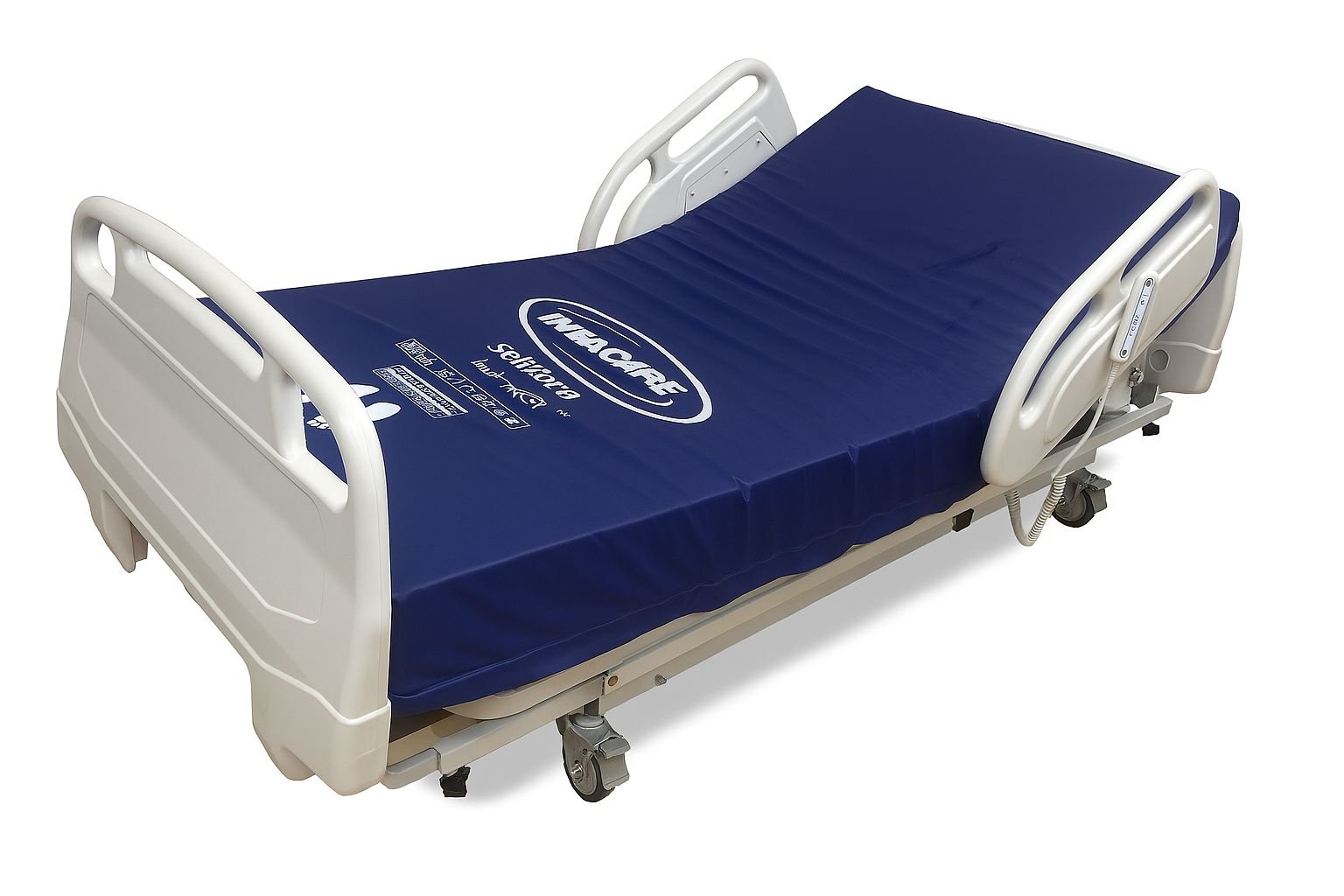
A fully electric medical bed enables adjustment of the head, foot end, and height of the bed via an electronic remote control. They provide ultimate simplicity for both patient and caregiver.

Best suited for:

  • Long-term care
  • Seniors aging at home
  • The old and infirm

Full electric bed for independence; easier on the caregiver; positioning is easier for optimum comfort and safety.

Bariatric Hospital Beds

Bariatric medical beds come with both higher weight limits and a wider sleeping surface. These drones are equipped with sturdy frames, strong motors, and improved stability.

Best suited for:

  • Patients requiring higher weight support
  • Long-term or specialized medical care
  • Better seating and safety for larger occupants

These cots provide excellent support without sacrificing durability or utility.

Low Hospital Beds

Low hospital beds are used to rest closer to the floor, minimizing injury from falls. They are particularly helpful for patients who have a tendency to get out of bed on their own.

Best suited for:

  • Seniors with fall risk
  • Patients with cognitive challenges
  • Facilities for the long-term care and assisted living types

There is no harm in using low beds with side rails or floor mats to maximize safety.

Specialty Hospital Beds

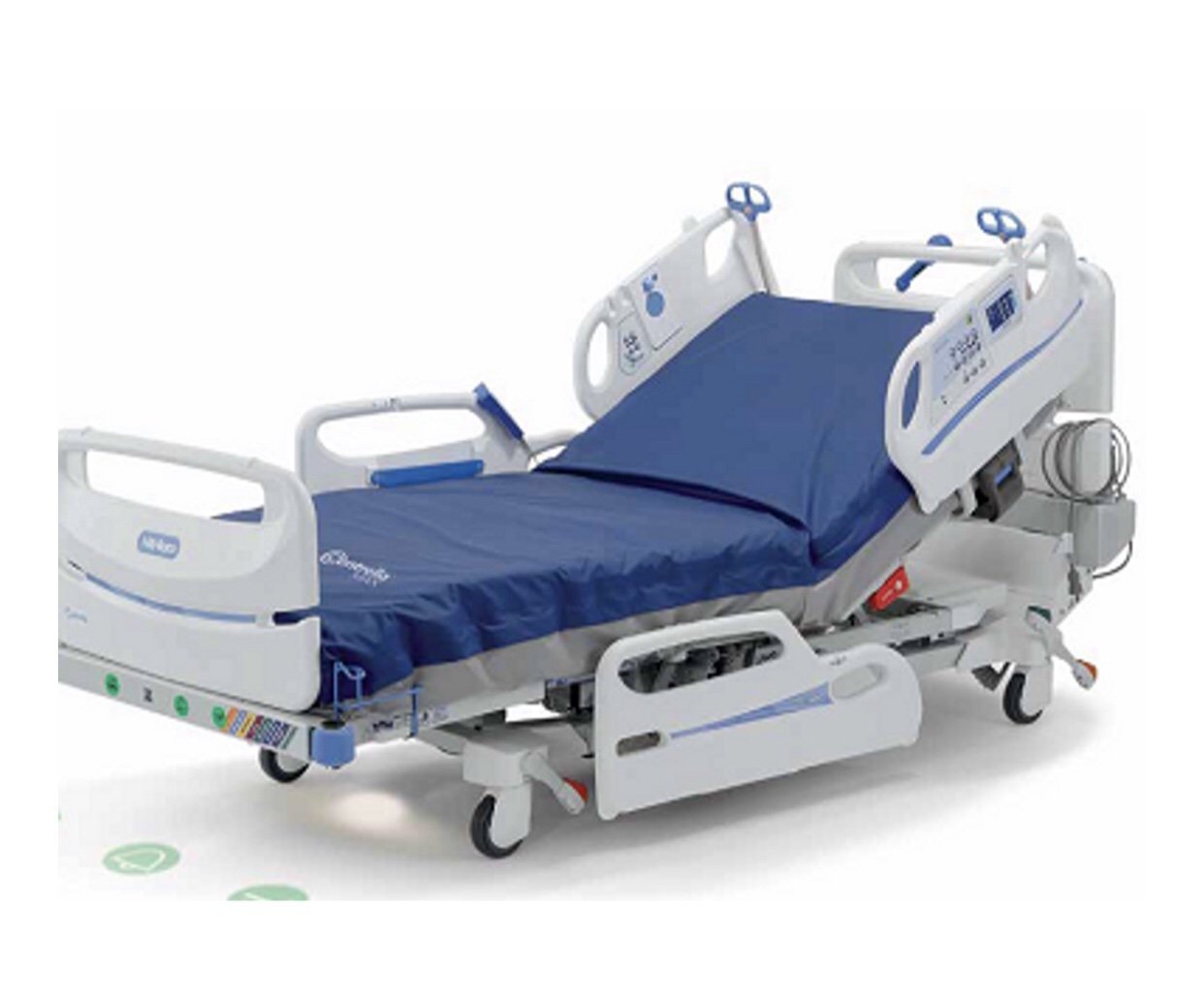
Specialty beds Specialty beds are meant for more targeted medical issues and advanced care. These can range from alternating pressure beds to rotational therapy or therapeutic mattresses.

Best suited for:

  • Patients with a high risk of pressure ulcer formation
  • Complex medical conditions
  • Extended hospital or home care

Hospitals typically use these types of beds, but home care is also increasingly adopting them.

Final Thoughts

The choice of hospital bed you select should be based on the patient’s health condition, level of mobility, and duration of care. Whether they’re basic manual, electric, or special-function hospital beds, each type of bed plays an important role in enhancing the comfort and ease of the recovery process.

These differences, when understood by families and caregivers, help them to better choose a bed that promotes the patient’s well-being and increases caregiver productivity. If you don’t know what hospital bed is best for your condition, listen to a professional medical equipment specialist assist you in finding the perfect choice that will give you quality care at home or in any healthcare setting.
24December 2025

Choosing the Best Hospital Bed for Long-Term Care Facilities in Vaughan

For people who are in need of care in long-term care facilities in Vaughan, choosing the right hospital bed is crucial. The number decides the comfort, safety, and efficiency of caregivers as well as the quality of life for residents. The range of options means that administrators must carefully weigh features against need and budgetary constraints.

Need the Right Hospital Bed?

Hospital beds aren’t simply furniture—they can have a direct effect on both patient outcomes and staff productivity. The right bed can:

  • M9005 Quickie Wheelchair Gel Prevention Cushion Lessen the chance of getting pressure sores.
  • Improve mobility and comfort.
  • Provide residents and caregivers with added safety.
  • Normalizes clinical operation with adjustable functions.

These benefits become more important when it involves long-term care, as the residents are bedridden for long durations.

Key Features to Look For

If you’re looking for the right hospital beds for long-term care, pay attention to these key features:

  1. These key features include adjustability and comfort.

Residents also have varying degrees of mobility and medical needs. Look for beds that provide:

  • Quick and simple transfer of height settings.
  • You can lie down, and the backrest may be raised to stretch your seat for comfort.
  • Smooth and quiet motor operations.
  • Easy-to-use controls for both residents and caregivers.
  1. Safety and Fall Prevention

Safety is always paramount in long-term care. Essential safety features include:

  • Side rails have a security locking system.
  • Low-height settings to prevent falls.
  • integrated braking systems.
  • See also the TRENDELENBURG and REVERSE TRENDELENBURG setting options.
  1. Pressure Redistribution

Often, able-bodied people also experience pressure sores. Pressure-reducing mattresses are one of the ways to help mitigate the risk of getting pressure sores when patients have other medical compounding issues.

  • Pick from high-grade foams and alternating pressure mattresses.
  • Active-air systems for excellent circulation.
  • Fits mattress toppers for added support.
  1. Durability and Maintenance

Beds that can be used in long-term care facilities constantly. Evaluate:

  • Frame strength and load capacity.
  • Easy-to-clean materials can control infection.
  • Warranty and replacement parts.

Here are the types of hospital beds you can choose:

The following bed types may be considered alternatives to meet different care needs:

  • Regular electric beds offer limited control for daily use.
  • Bariatric Beds—Larger residents require beds that are both larger and of higher quality.
  • Low Beds—Lower fall height that could minimize the potential of injuries.
  • Smart Beds—Features like bed-exit alarms and sensors that are built into the beds.
The right kind of option is in Vaughan.

What to Consider When Buying Hospital Beds for a Long-Term Care Home in Vaughan

  • Assess the number of residents and their needs.
  • Get input from caregivers and providers.
  • Compare estimates with carriers of different coverage levels.
  • Consider long-term cost, not just purchase price.

Conclusion

Picking the right hospital bed for long-term care facilities in Vaughan involves careful consideration, knowing what residents need, and comparing main features that affect safety and comfort. By emphasizing adjustability, safety, pressure distribution, and durability, facilities can help improve quality of life for residents and assist caregivers in their crucial daily tasks.

17December 2025

Beyond the Mattress: 5 Key Features to Look for in a Home Hospital Bed

When creating a safe and comfortable home care space, most consider selecting the right mattress—but a home hospital bed is more than just where you sleep. The properties The integration of these features into the bed itself is fundamental for ensuring safety and comfort, facilitating the caregiver’s work, and enhancing the quality of life.

Whether you are taking care of an elderly loved one, healing after surgery, or dealing with chronic illness, insight about what’s off the mattress can empower you to confidently select the best home hospital bed.

Ergonomic Design with Adjustable Positioning for Comfort and Wellness

Below are the key functions of a home hospital bed: 1) What Are The Best Qualities Of A Home Hospital Bed? One of the greatest attributes of a home hospital bed is its ability to adjust.

Why It Matters

  • Raising the head helps with breathing, reading, and eating.
  • Lift the legs to increase blood flow and decrease swelling.
  • Alter the bed frame height to make it easier for someone to get in and out of bed.
  • Fully electric hospital beds make smooth, easy adjustments at the press of a button—great for patients and caregivers alike.

Safety and Fall Protection are enhanced by the Height Adjustment feature.

By keeping the bed low to the ground, it helps ensure that no one falls from it, especially our elderly.

Key Benefits

  • Keeping the bed low helps lower the risk of injury from falling when getting in and out of bed.
  • The higher the position, the easier it gets to take care of tasks such as dressing or repositioning.
  • Height is adjustable for safe and easy transfer into wheelchairs or walkers.
  • Low hospital beds are particularly advocated for high fall risk or unbalanced people.
  • Supportive Side Rails Ultimately, the Koala Baby Bed Rail is designed to promote your child’s health and security.

Rails are not mere safety barriers; they offer much-needed site assistance.

What to Look For

  • Full rails for maximum protection
  • Half or assist rails for support and position changing
  • Easy-to-lock and easy-to-lower designs

Appropriately chosen angled side rails can prevent falls and allow a user something sturdy to grasp when he or she is upright, moving, or getting out of bed.

Durable Frame and Weight Capacity

A sturdy bed frame not only ensures the stability and durability of the bed but also provides protection for your safety.

Important Considerations

Ensure that the bed frame has a sufficient weight capacity to meet the user’s weight requirements.

  • Heavy-Duty Steel Frame for Long-Lasting Durability
  • Soundless motors for uninterrupted smooth operations

For those who need extra assistance, bariatric hospital beds are built with wider surfaces and increased weight capacities yet still provide the safety you expect from a bariatric bed.

Caregiver-Friendly Controls and Features

A home hospital bed is supposed to make caregiving easier, not more difficult.

Helpful Features

User-friendly hand controls Buttons are easy to see. strip_length: 47.24 inches Simple style Hot and cold water faucet rotation tap dual-use Older children use it with plenty of running water!

  • Lockout prevents inadvertent changes.
  • UPS for backup during power cuts
  • Locking wheels and smooth-rolling casters

Such features minimize the physical burden on caregivers and enhance efficiency in daily care operations.

Why These Features Are More Important Than You Realize

Although the mattress influences pressure-relieving properties and comfort, it is the structural and mechanical features of the bed that govern how safely and efficiently a patient can reposition, rest, and be nursed. Selecting the right hospital bed can:

  • Improve independence.
  • Reduce caregiver injuries.
  • Reduce the risk of falls and complications.
  • Support recovery and long-term well-being.

Final Thoughts

A home hospital bed is not simply a mattress and frame—it’s an important piece of medical equipment that provides for the safety, comfort, and dignity of patients in their homes. By considering these five elements, you will find a home that suits the patient and the caregiver.

And of course, if you need help choosing the perfect home hospital bed or accessories, our friendly staff are only a phone call away. Call us today for professional advice and quality home care options.