 27December 2025
Common Medical Equipment Every Caregiver Should Know About
- by Mike
- 0 Comments
Taking care of someone at home or being a caregiver in a long-term health care setting takes more than willingness to help; it requires the right tools for safe and comfortable, quality patient care. Caregivers who grasp the use of common medical equipment can provide better end-of-life support, minimize risks, and enhance the quality of life for those in their care.
This pocket guide provides basic medical kits everyone should know.
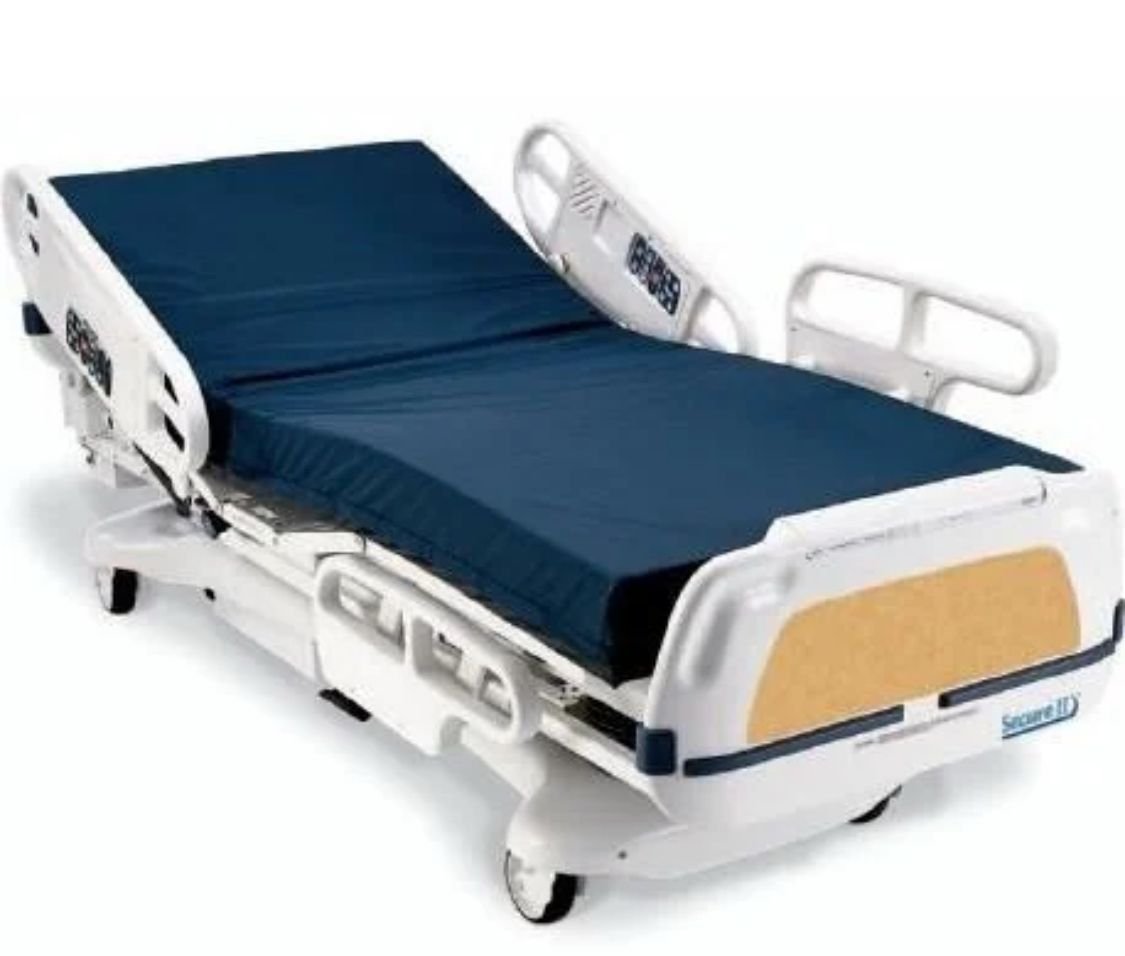
Hospitals & Adjustable Beds
Hospital beds are a vital part of long-term care, offering patients the comfort and support they need if they are unable to move.
Key features caregivers should know:
The height and back can be adjustable to fit users’ convenience and make the chair simple to care for.
- Side rails to prevent falls
- Easy-to-clean surfaces for hygiene
- Fits most pressure-reduction mattresses to aid in the prevention of bedsores
For home use, the best electric hospital beds provide safer repositioning and relieve caregiver strain.
Wheelchairs & Mobility Aids
Devices to aid mobility are required for those patients who are unable to move on their own.
Common options include:
- Manual wheelchairs—lightweight and convenient indoors
- Electric wheelchairs are recommended for patients who are weak or have complex mobility issues.
- Walkers and rollators—for individuals who can stand with help, they can get the support that they need on their walks.
- Crutches and canes—for temporary support or partial mobility support
Efficiency, correct use, and precautions should be explained to the caregivers.
Lift & Transfer devices.
Lifts and transfer devices can help caregivers safely manoeuvre infirm patients with limited mobility.
Examples:
- Hoyer lifts help with getting in and out of bed/driving compression stages 1, 2, and 3 and assist with bed-to-chair transitions.
- Standing lifts are custom-made to help occupy an individual in standing or ambulation for short distances.
- Transfer boards—sliding patients between two surfaces in a safe and atraumatic manner
- Proper use of these devices can minimize resultant patient and caregiver injuries.
Respiratory & Monitoring Equipment
An intimate set of patients needs continuous control and/or assisted ventilation and hemodynamic support.
Important equipment includes:
- Concentradores de oxígeno y tanques (para enfermos respiratorios)
- Pulse oximeters—to check blood saturation and pulse rate
- Blood pressure monitors: Monitor your health at home.
- Thermometers—for fever checks and monitoring in general
Both the appropriate use and maintenance are critical to safety.
Daily Living & Safety Aids
Caregivers also need to be aware of devices that aid in daily activities and may prevent accidents:
- Over-bed tables—meals, reading, and personal care
- Bedside commodes and shower chairs—aides for toileting and hygiene
- Handrails and bars—have something to grab onto in your bathroom or hallways.
- Anti-slip and sit-up slits for your added peace of mind in the shower.
These instruments also enhance the quality of daily caregiving tasks for both patients and doctors.
Final Thoughts
It is important for all caregivers to possess a basic understanding of standard medical equipment to offer safe, efficient, and comfortable patient care. From the type of hospital bed and wheelchair to lifts and respiratory technology, having the appropriate equipment can have a profound impact on a patient’s quality of life.
Teaming up with a reputable medical equipment provider in your region means you have simultaneous access to the right, top-quality devices along with the training and continuing support so that caregivers can concentrate on what’s most important—providing caring care.