 24January 2026
The Economics of Home Recovery: How Medical Beds Lower System-Wide Costs
- by Mike
- 0 Comments
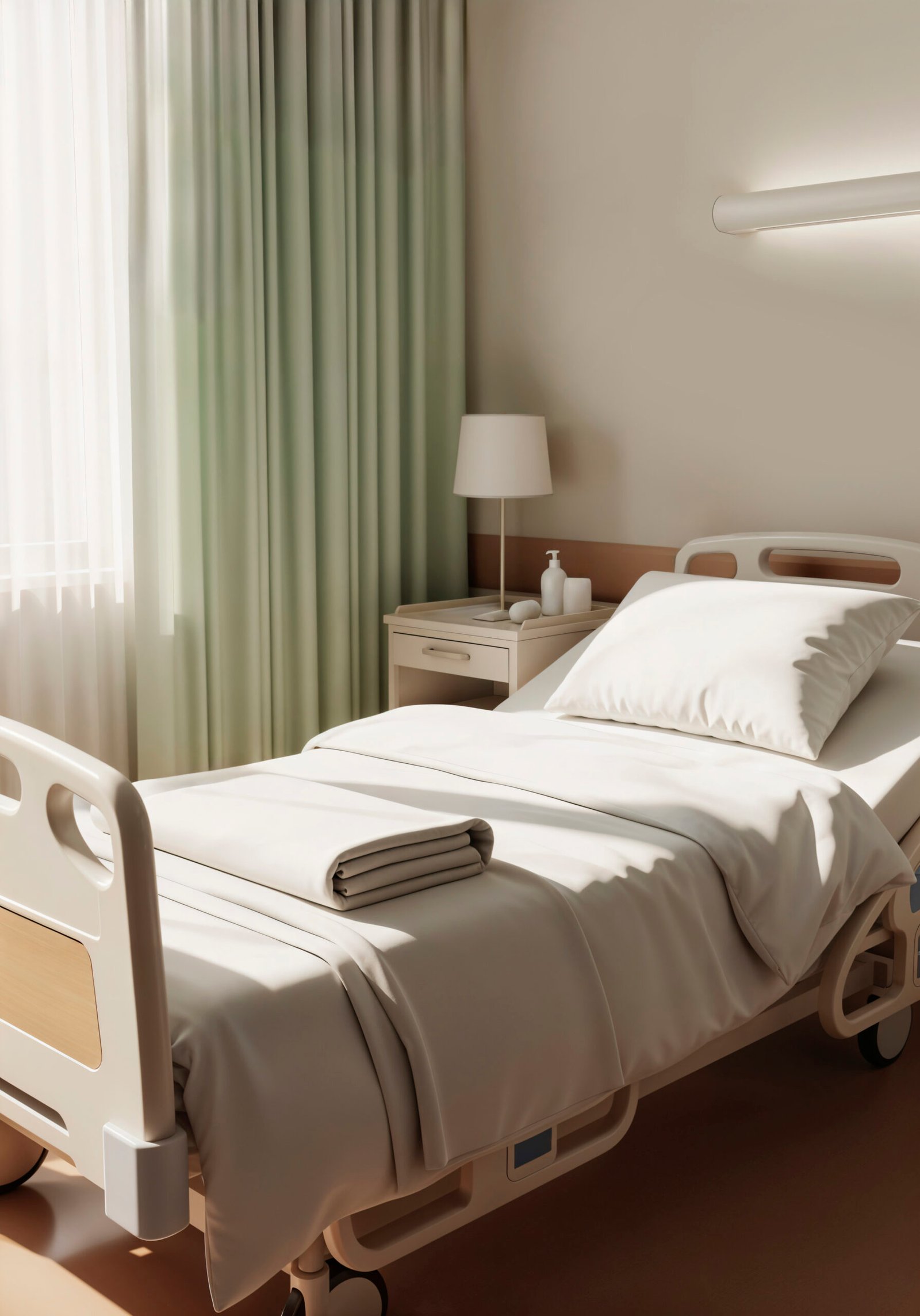
Hospitals are becoming increasingly expensive to run, and inpatient bed demand is growing as lengths of stay at hospitals increase across the world. Among the most powerful, yet least appreciated: moving appropriate recovery and long-term care to the home. At its heart is a bed high enough for clinical needs, low enough to be safe and mobile, with positionability that meets the 24-hour-a-day clinical requirement. These beds are showing that better care doesn’t always have to be administered from a hospital room—it can start at home.
Why You’re at the Mercy of Your Overhead: What to Read provides smart, useful advice on work and business, money and investments, handling technology and media, boosting productivity, and more.
Hospital care is far more than treatment. Facilities have to pay for staffing, meals, equipment, infection control, and housekeeping—along with 24/7 monitoring. For stable patients still requiring support, those costs add up fast.
Common cost drivers include:
- 24/7 nursing and clinical supervision
- Room and facility overhead
- Repeated transfers and readmissions
- Complications: falls/pressure sores
- Extended recovery times may occur if the patient is unable to sleep or maintain gross mobility.
If you’ve got a decent supply of OTC medications, your needs for pain and fatigue can be met.
What Medical Beds Make Possible for Affordable Homecare
Contemporary medical beds achieve a hospital level of functionality in the home, enabling patients to recover safely without unnecessary admissions. They are designed to meet the needs of both clinicians and caregivers.
Key cost-saving features include:
- The head and foot can be raised as the preference of mind to support your breathing, reflux, and circulation.
- The bed is height adjustable to facilitate transfers, reduce caregiver bending or stooping, and prevent strain.
- Pressure reduction mattresses are used to prevent costly skin breakdown.
- Grab bars and brakes to reduce the risk of falling.
- Remote control travel options are available to encourage patient independence.
These features also contribute to avoiding emergency visits and additional hospital stays by reducing secondary complications.
System-Wide Savings Beyond the Household
The financial benefits of home recovery go far beyond single households. Health care systems become more flexible and resilient when they can treat more patients at home.
Broader economic advantages include:
- Lower need for inpatient beds and personnel
- Lower readmission rates
- Reduced post-acute length of stay
- Decreased transportation and ambulance costs
- Enhanced hospital capacity for severe cases
Insurance companies and public health initiatives are increasingly realizing the potential advantages, often implementing home-based devices to expedite patient discharge.
Investing in Smarter Recovery
Medical beds may be a large up-front investment, but the value of them in the long term is obvious. That is, faster recovery, fewer complications, and less hospital need are significant savings for families as well as providers.