
 19December 2025
Safety First: Installing and Securing Your Home Hospital Bed in Ontario
- by Mike
- 0 Comments
When a loved one needs to have a hospital bed at home, safety is as important as comfort. A well-placed and sturdy home hospital bed can help minimize falls, injuries, and strain on your caregiver. Key to in-home care, where seniors and those recuperating from injury rely on hospital beds, is knowing how to properly set them up—a reality well understood in Ontario.
This guide will help show you the best practices for safely setting up and securing a home hospital bed, whether you’re renting one or buying it.
The Importance Of Correct Hospital Bed Installation
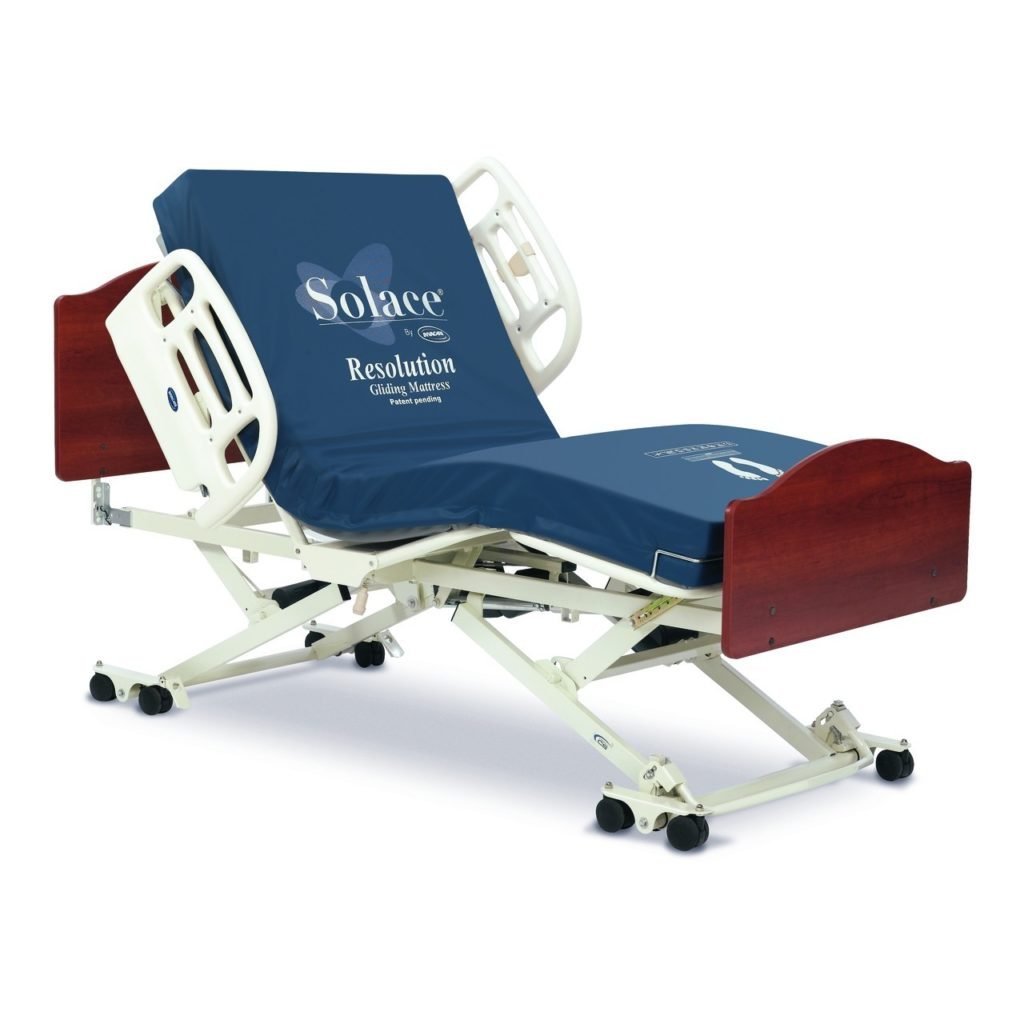
Hospital beds are assistive devices meant for mobility, convalescence, and long-term care. Improper installation can lead to:
- Falls during transfers
- Bed movement or collapse
- Strain or injury to caregivers
- Increased risk of pressure sores
- Difficulty accessing emergency care
Once your bed is properly set up, you and your caregivers can have peace of mind.
Step 1: Determine the Right Location in the Home
Prior to delivery or setup, decide on a safe place for the hospital bed.
Key considerations:
- Flat, hard flooring (try to use thin/no carpets away from home)
- Easy access to electrical outlets
- Ample room for transfers and caregiving on both sides
- Nearby bathroom access, if possible
- Adequate lighting, especially at night
In Ontario, particularly in condos or older homes, space can be at a premium. Measure doors and hallways ahead of time for easy delivery and setup.
Step 2: Check to see if the bed is assembled properly.
If your hospital bed is delivered to you unassembled or partially assembled, please follow the manufacturer instructions.
Safety checklist:
- Verify the bed frame is fully locked in place.
- Verify corded devices are attached correctly.
- Head, foot, and height Positioning evaluations
- Tighten all nuts and bolts.
And if you’re renting a hospital bed in Ontario, a number of providers provide professional installation, which is recommended to ensure safety and warranty compliance.
Step 3: Restraining the Bed to Keep It from Moving
Stability is a safety issue in the transfer process, and one concern about patient transfers is bed movement.
How to prevent this:
- Secure all caster wheels when the bed is in use.
- Place nonslip mats under wheels on smooth floors.
- Don’t place the bed on low or uneven places.
- Retighten wheel locks weekly or when repositioning them.
This is of particular relevance in patients with reduced mobility and/or unpredictable movements.
Step 4: Put bed rails on the right way round.
Bed rails can offer support and fall protection—when they are used correctly.
Best practices:
- When it comes to rails, be sure you order the right kind for your bed.
- Ensure rails are securely fastened.
- Provide enough clearance to prevent pinching hazards.
- Don’t go all the way unless advised to do so medically.
In Ontario, the home care safety protocol focusing on that balance between preventing falls and preserving independence at home was designed for seniors with cognitive impairment.
You should then select the mattress and other products to sleep comfortably.
The best mattresses for hospital beds Although many mattresses are compatible with hospital beds, not all do well in this kind of setting.
Safety-focused choices include:
Safety-focused choices include pressure relief mattresses or foam mattresses that help reduce bedsores.
- Mattress retainers to prevent sliding
- Waterproof mattress protectors for hygiene
- Low bed settings for the prevention of fall injuries
Do not use common types of mattresses in your home—they can move and undermine bed function.
Electrical Safety and Knowing Your Backups
Nowadays, the majority of modern hospital beds are electric, and power-related issues are crucial to such beds.
Tips:
- Plug into any wall outlet (do not use extension cords).
- Keep cords away from walkways.
- Learn how to operate the crank handle or battery backup.
Power Outages A plan for power outages that aren’t uncommon in the Ontario winter.
Step 7: Safety Inspections Do Regular Checks on Your Furniture
Maintenance is the key once it’s implemented.
- Monthly safety check:
- Test all bed controls.
- Inspect rails and fasteners.
- Confirm wheel locks.
- Check mattress alignment.
- A curvaceous dent perhaps?
- Guard from unusual noise or movement.
It’s pretty easy to notice when there is a problem before an accident or a costly repair becomes necessary.
Renting vs. Buying: What’s Safer?
Renting a hospital bed can be an advantage for many Ontario families:
- Professional delivery and setup
- Maintenance included
- Simple upgrades if care changes
- Cost-effective for short-term recovery
Purchase can be a good fit for long-term care, but it is not a free lunch; you will have to take ongoing responsibility for maintenance and compliance with safety laws.
Final Thoughts: Safety Even in Care Is an Investment
Proper placement and securement of a home hospital bed is one of the most vital steps in helping to preserve your loved one’s health and dignity. From proper positioning to regular safety checks, little things add up.
And if you’re confused about installation or safety needs, let a tried-and-tested Ontario hospital bed provider make sure it’s all done right—the first time.