
- by Mike
- 0 Comments
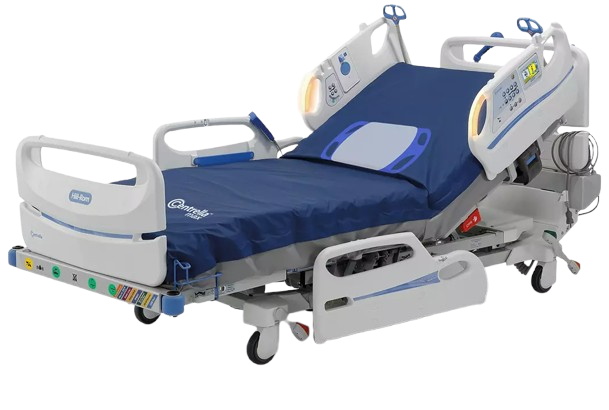
Choosing the appropriate hospital bed is a crucial part of caring for a loved one at home when they are ill. Beyond comfort and safety, the right gear can make caregiving easier, reduce your chances of being injured, and help you recover. But how do you know if renting or buying a hospital bed is the right choice? Both have their pluses and minuses, depending on your wallet, how long you need care, and what’s getting treated. Here are some of the key things to keep in mind before you make your decision.
- Duration of Use
One of the most important decisions is how long you plan to keep the bed.
Renting is ideal when:
- The need for a bed is time-sensitive, such as after surgery or injury.
- You have no idea how long you will require the bed.
- You’ll need flexibility to send the bed back or exchange it as your household’s needs change.
Buying is ideal when:
- In case of a chronic or permanent disease, you may use therapy for a long time.
- Toward the end of that period, you’d be renting it and still own nothing.
- You want control over the long term, and you want to be comfortable.
- Costs and Insurance Coverage
And cost can also be a major consideration in that decision.
When renting may save money:
- Upfront costs are significantly lower.
- Maintenance and service are also sometimes factored into the rental.
- Government insurance may be more cost-effective than owning.
When it could be cheaper to purchase:
- The bed will be used for years, if not decades.
- You come across a fantastic deal on new or refurbished gear.
- You can get DME-based insurance or medical assistance programs that will partially cover durable medical equipment.
- Type of Hospital Bed Needed
Hospital beds vary greatly in features and complexity—one of the factors to think about when deciding whether to rent or buy.
Consider renting when:
- You need a certain type of bed (for example, bariatric, low air-loss, or alternating pressure) for a short period of time.
- You want to experiment with different kinds of beds before you commit to one.
Consider buying when:
- Standard or semi-electric Your average bed.
- You will want to customize the accessories, mattresses, or rails eventually.
4. Maintenance and Repairs
Renters and owners have differing maintenance responsibilities.
Renting advantages:
- The company usually deals with repairs and replacements.
- If it’s any sort of problem, you can replace the gear.
- No long-term responsibility for upkeep.
Buying advantages:
- You determine when the bed needs to be cleaned.
- Special repair kits and spare parts can be obtained for the type of model.
- With a sturdy bed, you don’t have to do much maintenance.
5. Space, Delivery, and Setup
Finally, consider the logistics.
- Typically, rentals come with delivery, setup, and teardown—great if convenience is your priority or you’re uncertain about space needs.
- Delivery and setup (if not included by the supplier) may cost extra unless you buy.
- Check the doorways and room layout to make sure the bed fits before ordering.
Final Thoughts
Choosing between renting or buying a hospital bed will vary according to the duration of care, budget, and type of bed, as well as how you intend to keep it clean. You should then consider the costs and how intrusive the solution will be, whether softly or loudly, to ensure that you feel comfortable and safe in your home.